Pelvic Heaviness and Pressure: Prolapse or Muscle Tension?
Pelvic heaviness can come from prolapse, where the bladder, uterus or rectum drops down into the vagina. It can also come from pelvic floor muscles that are tight and worn out. The two can feel almost the same, and some women have both. An exam by your gynecologist or a urogynecologist comes first, because the answer changes the plan.
Learn moreHow Dr. Gordon treats prolapse symptomsWhat the pressure feels like
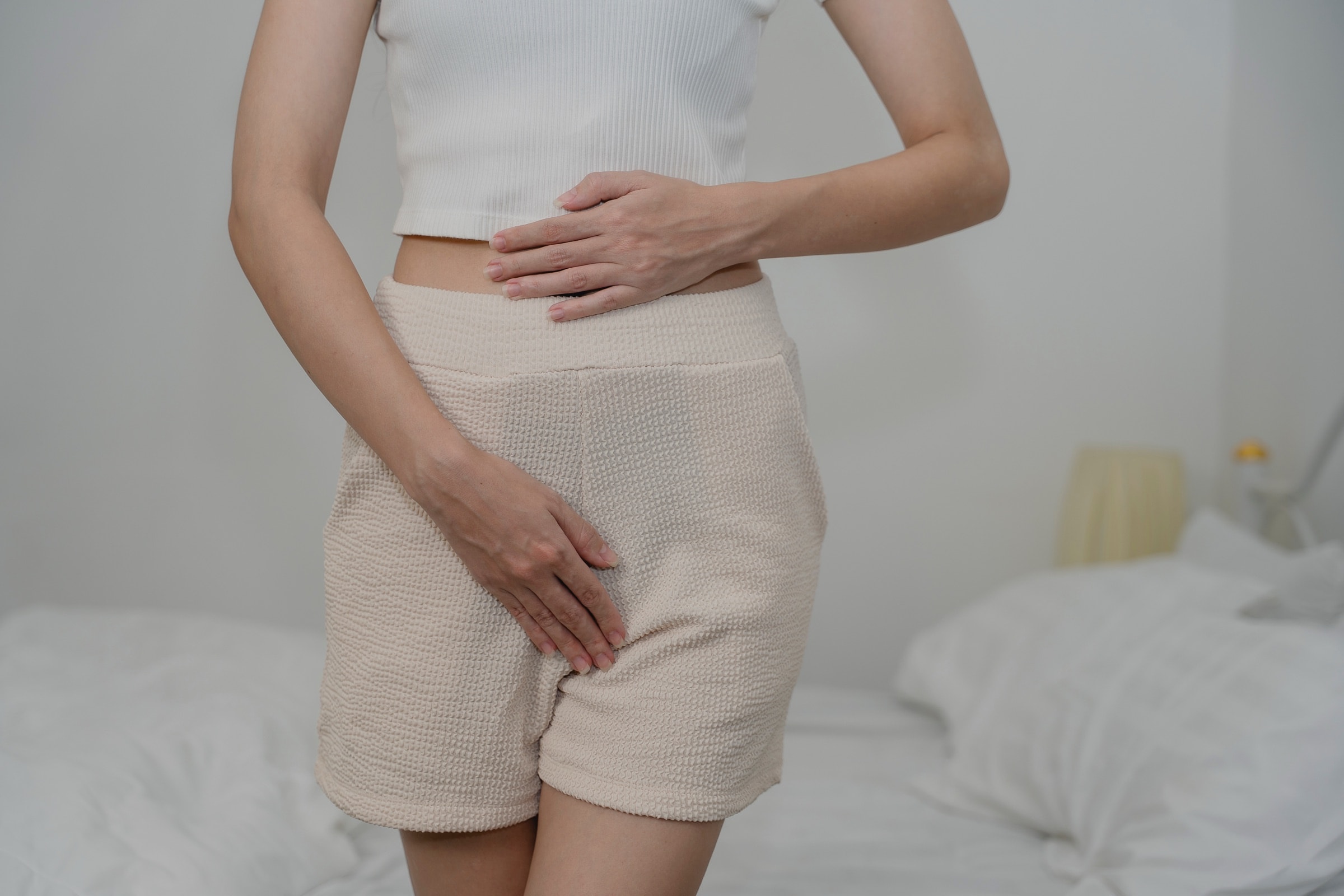
Women describe a heavy, dragging feeling low in the pelvis, fullness or aching in the vagina, or a sense that something is falling out. It often builds as the day goes on and eases when you lie down.
Those words fit both causes, so the feeling alone cannot tell them apart.
Two causes behind one feeling
Prolapse happens when the support for the pelvic organs weakens and one or more of them drops down. The National Institute of Child Health and Human Development (NICHD) links pelvic floor problems to childbirth, aging and menopause, overweight, chronic constipation and straining, heavy lifting and a chronic cough.
Prolapse that causes symptoms is fairly uncommon. In a large national survey of U.S. women, 2.9 percent reported symptoms of prolapse.
Muscle tension is the other cause. A pelvic floor that holds tight all day never rests, and a muscle that never rests gets tired, achy and heavy. Trigger points can send pressure deep into the pelvis, rectum or vagina, and breath holding and bracing add to the load.
Clues that point to prolapse
These are clues, not a diagnosis:
- You can see or feel a bulge at the vaginal opening.
- You feel something coming out, and it is worse after standing, lifting or a bowel movement.
- You need to press on the vagina or the area around it to empty your bladder or bowels.
- Urine leaks, or the bladder never feels quite empty.
Clues that point to muscle tension
- Pressure with no bulge, and an exam that found no prolapse or only a mild one.
- An ache in the rectum, perineum, tailbone or deep hip, often worse with sitting.
- A slow or hesitant urine stream, frequent urges, or straining with bowel movements.
- Pain with sex, tampons or exams.
- Symptoms that got worse when you started doing more Kegels.
Why many women have both
The two often travel together. When support is lower, the pelvic floor muscles can work overtime, and a muscle that works overtime tires and tightens. A tight pelvic floor also has less room to contract, so it can test weak and feel tight at the same time.
The pelvic pressure page covers pressure without prolapse, and the pelvic floor hypertonia page explains the tight and weak pattern.
Your gynecologist or urogynecologist comes first
A pelvic exam shows whether there is prolapse and how far it has dropped. Your gynecologist or urogynecologist grades it and manages pessaries and surgery when they are needed. They also look for other causes of pressure, such as fibroids, constipation and bladder conditions.
See a doctor first if you have a bulge that cannot be pushed back in, or that becomes very painful or discolored; inability to urinate or pass stool; bleeding from the vagina after menopause; fever with pelvic pain or foul-smelling discharge; sudden, severe pelvic or abdominal pain; or new numbness in the saddle area or loss of bladder or bowel control. If you have any of these, contact your doctor or go to the nearest emergency department.
Where my care fits
My care does not reposition the organs, and your gynecologist keeps track of the prolapse. I treat the pelvic floor, and the two plans work together. The first visit runs 60 to 75 minutes. The pelvic floor muscles are examined from the outside, with no internal exam.
Dry needling releases tension and trigger points in a tired pelvic floor so the muscles can recover. For the deep pelvic floor, the needles go in through the skin of the buttock, perineum or inner thigh, never through the vagina or rectum. Alongside dry needling, I use neuro-functional acupuncture, built on neuroscience and evidence-based practice. Unlike regular electroacupuncture, the needles and gentle electrical stimulation are mapped to the specific nerves involved, such as the sacral nerves. It works in three ways. It neurorehabilitates, helping irritated tissues and nerve receptors recover. It neuromodulates, shifting the body's own pain-relieving chemistry. It neuroregulates, calming the nerve signals and circuits that keep the feeling of pressure going. You also get lifting, toileting and pressure strategies, coordinated with your gynecologist and pelvic floor PT. Many women start with six to ten sessions alongside a strengthening program. Results vary from person to person.
If you are not sure what is causing your pain, try the My Symptoms tool.
Questions people ask
My exam showed a mild prolapse. Is that what I am feeling?
It may be, or it may be only part of it. Your gynecologist can tell you whether the degree of prolapse fits your symptoms. If the heaviness seems out of proportion, tight and tired muscles may be adding to it.
Can constipation make pelvic pressure worse?
Yes. A full rectum adds pressure, and straining pushes down on the pelvic floor. A tight pelvic floor can also make emptying harder, as my post on what your pelvic floor has to do with constipation explains.
Should I hold my breath when I lift?
It is better not to. Holding your breath and bearing down pushes on the pelvic floor, much like straining. Breathing out as you lift, with the load close to your body, is kinder to the pelvic floor.
References
- Nygaard I, et al. Prevalence of symptomatic pelvic floor disorders in US women. JAMA. 2008;300(11):1311-1316.
- National Institute of Child Health and Human Development. What causes pelvic floor disorders? https://www.nichd.nih.gov/health/topics/pelvicfloor/conditioninfo/causes