
Certified SAAT Provider
Soliman Auricular Allergy Treatment (SAAT) for Alpha-Gal and MCAS on Long Island
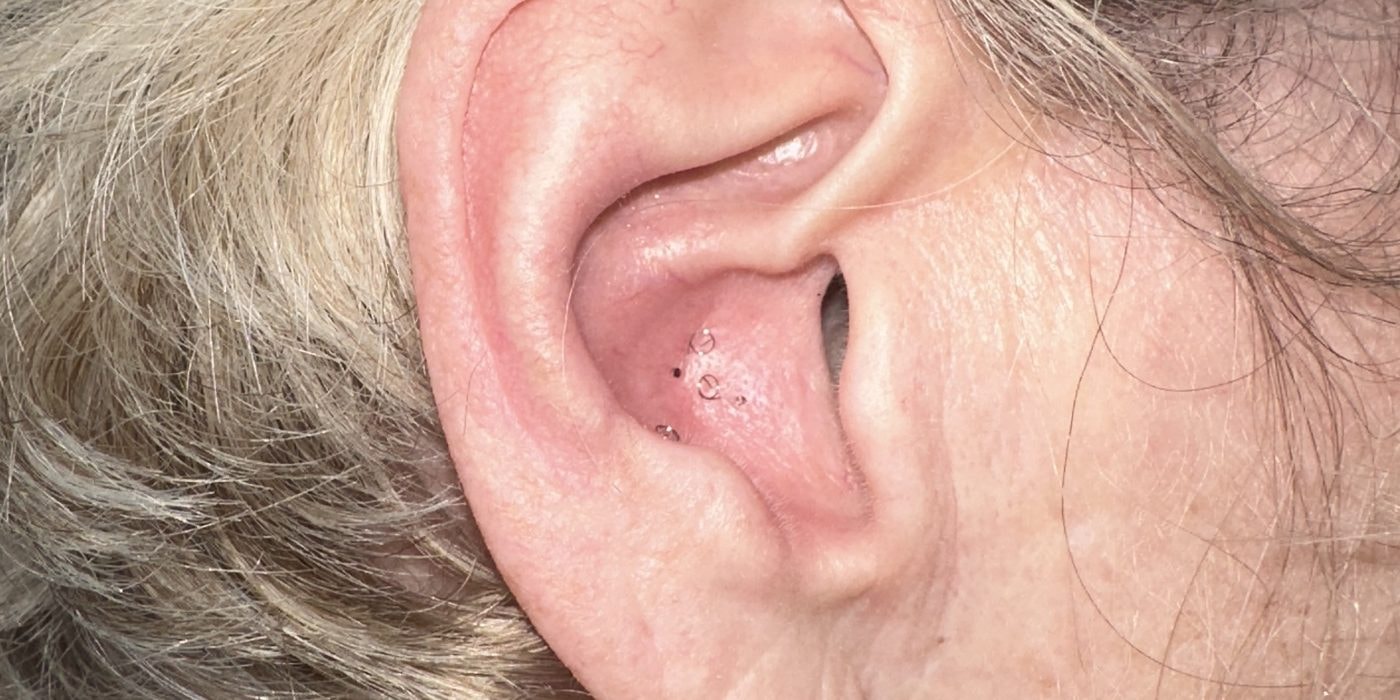
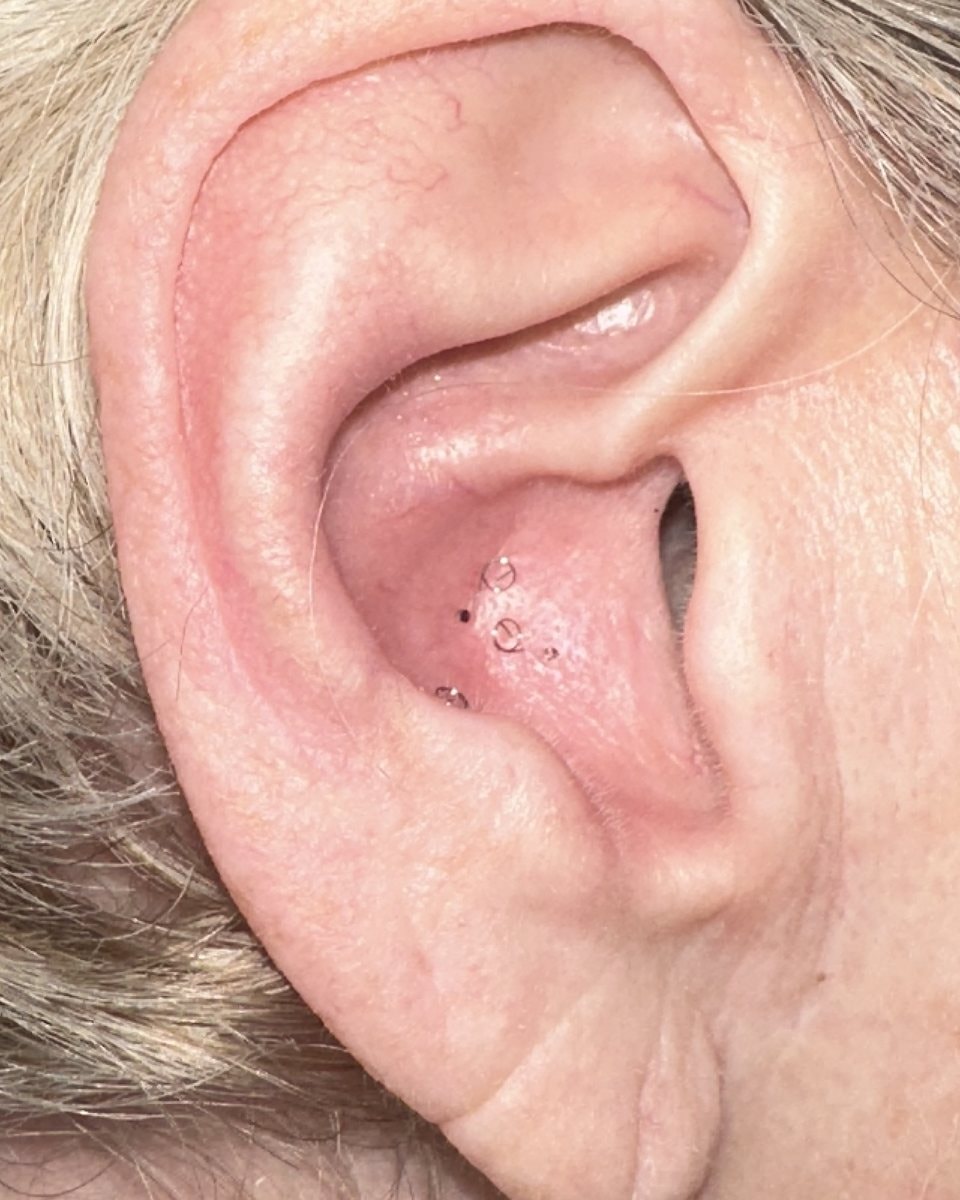
Soliman Auricular Allergy Treatment (SAAT) is an auricular acupuncture treatment. Dr. Gordon is fully certified in the SAAT protocol and focuses his SAAT practice on alpha-gal syndrome and mast cell activation syndrome. After a polarity reset to calm your nervous system, you hold a sample of the allergen while Dr. Gordon uses a high-precision point finder to locate and grade your active points in the allergy zone of your ear, which are different for everyone. Then 1 to 6 intradermal needle implants, each only 3 mm long, are placed under small, skin-colored bandages, where they stay for three weeks. Most patients need one or two treatments for significant improvement.
Understanding the Condition
What Is Alpha-Gal Syndrome?
Alpha-Gal Syndrome is a unique food allergy triggered primarily by tick bites. The bite sensitizes the immune system to galactose-alpha-1,3-galactose (alpha-gal), a carbohydrate found in most mammalian meats and byproducts. Once sensitized, even small exposures can trigger serious allergic reactions.
Unlike most food allergies, Alpha-Gal reactions are often delayed, appearing 2 to 6 hours after eating, which makes diagnosis difficult. The condition significantly impacts daily life, requiring strict dietary vigilance and constant awareness of hidden triggers in food, medications, and personal care products.
Learn more about alpha-gal syndromeAlpha-Gal Allergy Symptoms
Reactions typically occur 2 to 6 hours after exposure to mammalian products and can range from mild to life-threatening:
- Hives, itching, and skin flushing
- Swelling of lips, face, or eyelids
- Gastrointestinal distress: nausea, cramping, diarrhea
- Difficulty breathing or wheezing
- Anaphylaxis in severe cases
- Cardiovascular symptoms including low blood pressure
Common symptoms of MCAS include
- Skin reactions: hives, flushing, rashes
- Gastrointestinal issues: bloating, pain, nausea
- Respiratory problems: shortness of breath, congestion
- Cardiovascular symptoms: palpitations, low blood pressure
- Neurological manifestations: brain fog, headaches
Related Condition
Mast Cell Activation Syndrome (MCAS)
MCAS involves repeated episodes of symptoms caused by overactive mast cells releasing excessive chemicals into the body. This complex disorder affects multiple organ systems and produces unpredictable, often debilitating symptoms. SAAT has not been studied in MCAS. In Dr. Gordon's practice, MCAS patients treated with SAAT have reported a reduction in inflammatory symptoms, and when a patient has both conditions he treats MCAS in the same visit as alpha-gal.
Learn more about MCASThe Treatment
Introducing Soliman Auricular Allergy Treatment (SAAT)
SAAT is a specialized acupuncture technique developed by Dr. Nader Soliman that targets the body's response to specific allergens through precise points in the ear. How SAAT works is not yet known, and the authors of the published study say so themselves.
Dr. Gordon is a listed certified SAAT provider and focuses his SAAT practice on alpha-gal syndrome and MCAS. In one published case series of alpha-gal patients, with no comparison group, 121 of the 126 who could be reached reported remission at least nine months after treatment. SAAT has not been studied in MCAS. SAAT is minimally invasive, drug-free, and requires no ongoing medication.
The Process
How SAAT Works
Comprehensive Evaluation
Dr. Gordon reviews your symptoms, your allergy history and triggers, and how stimulated your nervous system is.
Polarity Reset
Before looking for points, Dr. Gordon does a polarity reset to calm your nervous system out of fight-or-flight mode, also called sympathetic dominance. He uses one of three methods, depending on how overstimulated your nervous system is. In his experience, this makes the treatment more effective and makes the right ear points much easier to find.
Precise Point Identification
While you hold the allergen sample, Dr. Gordon scans the allergy zone of your ear several times with a high-precision point finder. He grades every active point to choose the most effective ones. Your points are different from anyone else's, and they change if a second treatment is needed.
1 to 6 Needle Placement On Right Ear
1 to 6 intradermal needle implants, each only 3 mm long, are placed almost flat in the skin of the ear and covered with small, skin-colored bandages held with surgical adhesive. When six active points can be found, Dr. Gordon uses all six for the most benefit. They stay in for about three weeks.
Three Weeks of Treatment
The implants stay in while you go about your normal routine, following the aftercare steps.
Removal and Testing
After 2.5 to 3 weeks the implants come out, at the clinic at no charge or at home. Dr. Gordon then guides you through testing your response and decides with you whether a second treatment is needed.
The Evidence
What the Research Shows
The published evidence is one case series. In 2021, the journal Medical Acupuncture reported on 137 patients with alpha-gal syndrome treated with SAAT at two clinics, each contacted at least nine months after treatment. Of the 126 who could be reached, 121 (96 percent) said their symptoms were in remission, and no adverse reactions to the treatment were reported.
Remission was based on what patients reported. Patients without a history of anaphylaxis were told to slowly reintroduce mammal foods after three weeks, and those with past anaphylaxis were advised not to. The study had no comparison group and did not repeat blood tests, and Dr. Soliman, who developed SAAT, is one of the authors. How long results last is not yet known, and the authors call for studies that confirm results with lab testing. Every patient is told what the evidence does and does not show, and Dr. Gordon goes over every patient's case before any food is reintroduced.
Why Choose SAAT
Benefits of SAAT for Alpha-Gal & MCAS
One or Two Treatments for Most Patients
Each implant stays in for three weeks. Most patients need one or two treatments for significant improvement, and a third is rare.
Minimally Invasive and Drug-Free
Tiny 3 mm intradermal needle implants placed in the skin of the ear, with no medication involved. No adverse reactions were reported in the published case series.
Works Alongside Your Allergist
SAAT is a drug-free addition to your allergist's care, not a replacement for it.
Certified, and Beyond the Standard Protocol
Dr. Gordon is fully certified in the SAAT protocol by Dr. Soliman and appears on Dr. Soliman's official practitioner list. He adds a polarity reset, a high-precision point finder and repeated point grading to the standard protocol, and focuses his SAAT practice on alpha-gal syndrome and MCAS.
See Dr. Soliman's practitioner listSAAT Patient Stories
What SAAT Patients Are Saying
"After two treatments I can safely say that my Alpha gal symptoms are gone. The procedure itself is very quick and Dr Gordon and his staff are very personable and professional."
"[He] had a treatment that would put small needles in my ear and leave them there for 3 weeks. He explained some people might need a 2nd treatment... now I have my life back."
"I've been visiting Dr. Gordon for SAAT acupuncture treatments, and I couldn't be happier with the care and results I've experienced... He took the time to thoroughly understand my health concerns and patiently explained the SAAT acupuncture process."
Individual results vary.
Fees & Aftercare
What to Expect
Treatment Fee
$500
Per treatment session. Insurance does not cover SAAT. Payment is due at time of service.
Book a ConsultationAftercare Instructions
Following implant placement, proper aftercare protects the implants during the 3-week treatment period.
No Swimming or Hot Tubs
Avoid swimming pools, hot tubs, and open water for the full 3 weeks while the implants are in place.
No Sauna, Steam Room or Heavy Sweating
Avoid saunas, steam rooms and any activity that causes heavy daily sweating, which can loosen the implants.
Shower with Ear Protection
Use the ear shower cap provided at your appointment to keep the ear dry when showering. Ear shower caps are also inexpensive on Amazon.
Keep Your Allergy Plan
SAAT does not replace your allergist's care. Keep carrying your epinephrine, keep following your allergist's plan, and talk with your allergist before reintroducing any trigger food.
Plan Ahead
Do not book SAAT if you will be swimming, using a hot tub, sauna or steam room, or sweating heavily every day in the next 3 weeks.
Water Resistant, Not Waterproof
You can touch the implants and sleep on them without discomfort and without them falling off, and pressing on them cannot push them in further. A little water is fine.
Allergic to Adhesive Bandages?
The surgical adhesive Dr. Gordon uses is not reactive, and a different covering such as Tegaderm can be used if needed. Let the clinic know ahead of time.
After Treatment
Testing Your Response
Once the implants are out, the next step is to test how you respond. This is the general outline:
A very small portion
Have a very small portion of the food you miss most.
Again in 2 to 3 days
If there is no reaction, try it again in 2 to 3 days.
Once more
If there is still no reaction, try it once more to see how your body handles it over time.
Make the food at home so you know exactly what is in it, and keep your epinephrine with you. The exception is anyone who has had anaphylaxis: this outline does not apply to you.
This is only an outline. Dr. Gordon goes over your exact case, including whether and how to test, and you should also talk with your allergist before reintroducing any trigger food.
Common Questions
SAAT Questions
Do I still carry my EpiPen?
Yes. SAAT does not replace your allergist's care. Keep carrying your epinephrine and follow your allergist's plan.
Can I eat red meat after SAAT?
In Dr. Gordon's experience, most patients are able to go back to eating the foods they love with no reaction or only a very slight one. After the implants come out, Dr. Gordon walks you through a careful test with a very small portion of homemade food. The exception is anyone who has had anaphylaxis; Dr. Gordon goes over those cases individually. Talk with your allergist before reintroducing any trigger food.
What about dairy and gelatin?
Both can contain alpha-gal, so the same approach applies: Dr. Gordon guides any testing after treatment, and you should talk with your allergist before reintroducing them.
How many visits will I need?
Most patients need one or two treatments for significant improvement, and a third is rare. When a second is needed, there is almost always some improvement after the first, and how severe your reactions are does not predict how many you will need. Each treatment is one visit. After 2.5 to 3 weeks you can come back to have the implants removed at no charge, or take them out yourself at home.
Do you use SAAT for other allergies?
No. Dr. Gordon is fully certified in the SAAT protocol and focuses only on alpha-gal syndrome and MCAS. If you have both, he treats them in the same visit, because in his experience mast cell activation left untreated can hold back alpha-gal results.
How is Dr. Gordon's SAAT different?
Dr. Gordon adds his own steps to the standard SAAT protocol. Before treatment he does a polarity reset to calm the nervous system out of fight-or-flight mode, using one of three methods depending on how overstimulated it is. He uses a high-precision point finder, scans the ear several times and grades each active point to choose the most effective ones, and when six active points can be found he uses all six. In his experience, these steps make the treatment more effective.
Has SAAT been studied?
One published case series, in alpha-gal syndrome (2021, 137 patients). It has not yet been studied in MCAS, and the authors call for studies that confirm results with lab testing. In Dr. Gordon's practice, MCAS patients have reported a reduction in inflammatory symptoms.
Is it covered by insurance?
No.
Further Reading
Tick Season: What to Watch For After a Bite
From the blog: Adult ticks stay active through the fall. How to remove a tick, which symptoms after a bite need a doctor, and the delayed red meat reaction of alpha-gal.
What SAAT Is and Is Not: A Plain Look at the Research
From the blog: SAAT is an ear acupuncture treatment for alpha-gal syndrome. What the one published study found, what it could not show, and how it fits with allergist care.
Living With MCAS: Where SAAT Fits and What We Do Not Know Yet
From the blog: SAAT has no published research in MCAS. Where it may fit beside the care your physician leads, what is still unknown, and how to keep your safety plan in place.
Ready to Talk About SAAT?
Dr. Gordon is a listed certified SAAT provider with 18+ years of advanced acupuncture expertise. Schedule a consultation to find out if SAAT is right for you.