Tick Season: What to Watch For After a Bite
Tick season does not end when summer does. Adult blacklegged ticks stay active through the fall, and they can look for a host on any winter day that is above freezing. After a bite, remove the tick, watch for a rash or fever over the next few weeks, and keep one more thing in mind: a lone star tick bite can lead to alpha-gal syndrome, an allergy to red meat that often shows up hours after a meal.
Learn moreHow Dr. Gordon treats alpha-gal syndromeWhy October still counts
The CDC says the greatest risk of a blacklegged tick bite is in the spring, summer and fall, and that adults may look for a host any time winter temperatures are above freezing. The New York State Department of Health also reminds people that ticks stay active into the fall.
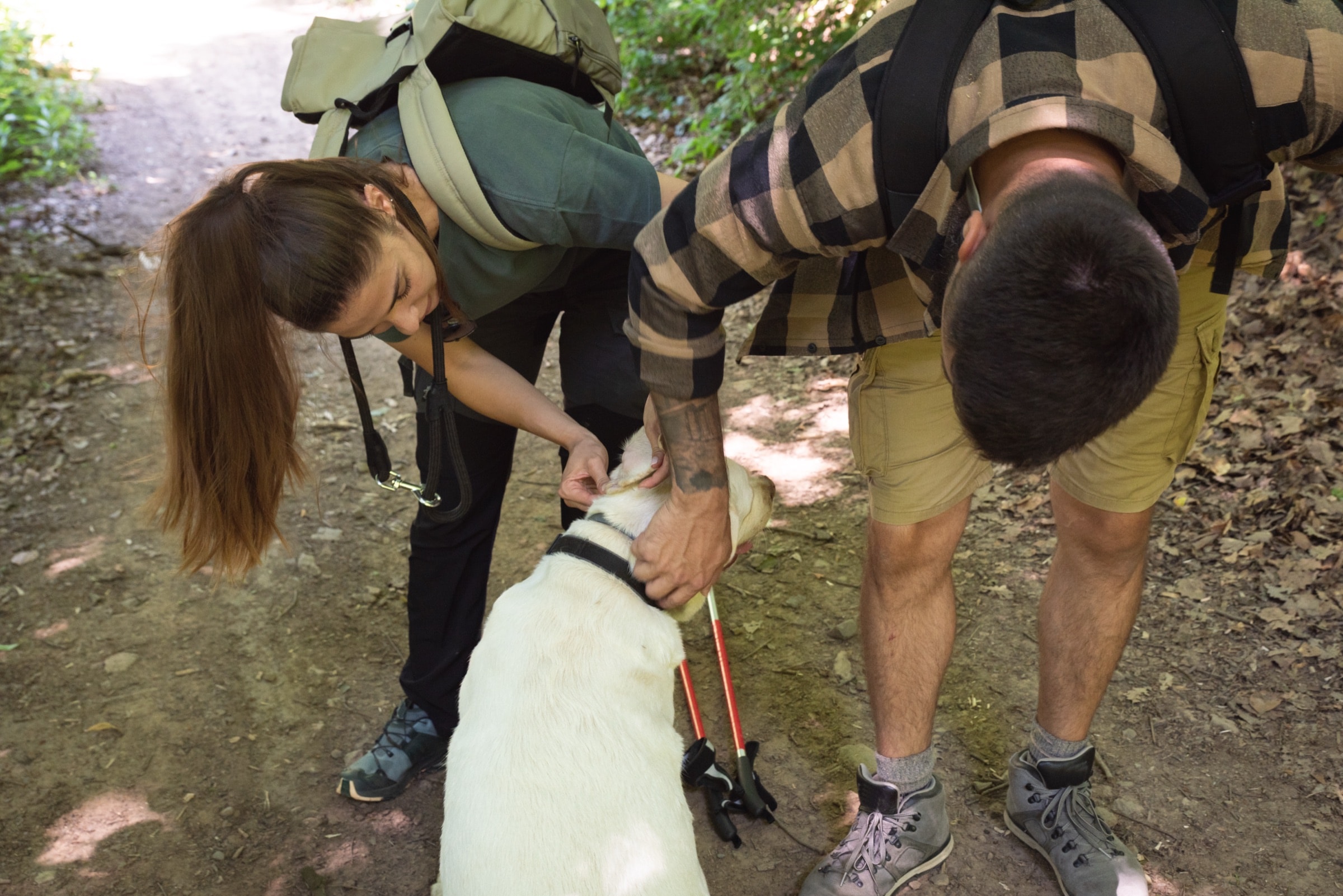
Fall chores put people right where ticks wait. Blacklegged ticks live in shady, moist spots at ground level. They also live in lawns and gardens, especially at the edges of woods and around old stone walls. Raking leaves, clearing a garden bed and walking the dog on a wooded path all count.
The ticks you are most likely to meet
The blacklegged tick, often called the deer tick, is the most common tick in New York. It can carry Lyme disease, anaplasmosis and babesiosis.
The lone star tick is the one most tied to alpha-gal syndrome. The state health department says New Yorkers are diagnosed with alpha-gal syndrome every year, particularly on Long Island, where lone star ticks are common.
How to remove a tick
The CDC's steps are simple:
- Use clean, fine-tipped tweezers and grasp the tick as close to the skin as you can.
- Pull it away with steady, even pressure. Do not twist or jerk it.
- If the mouthparts stay in and do not come out easily, leave them alone.
- Clean the bite and your hands with soap and water.
- Check the rest of your body. Where there is one tick, there may be others.
Skip petroleum jelly, heat and nail polish, which can agitate the tick, and do not crush it with your fingers. If you have trouble getting a tick out, call your health care provider.
What to watch for in the weeks after
The state health department suggests watching the bite for 30 days. If you develop a rash, a fever or flu-like symptoms in the weeks after a bite, see your doctor and tell them about the tick.
Tick-borne infections like Lyme disease are for your physician to diagnose and treat. That is not my part of the picture.
The reaction that comes hours later
Alpha-gal syndrome works differently. Alpha-gal is a molecule found in most mammals. After a tick bite, the immune system can start reacting to it. Symptoms usually start 2 to 6 hours after eating red meat or dairy, so a reaction in the middle of the night may not seem connected to dinner at all.
Signs to watch for:
- Hives or an itchy rash
- Swelling of the lips, throat, tongue or eyelids
- Nausea, vomiting, stomach pain, heartburn or diarrhea
- Coughing, wheezing or trouble breathing
- Dizziness, feeling faint or a drop in blood pressure
This can happen even if the tick was removed promptly. A physician diagnoses alpha-gal syndrome from your history, an exam and a blood test.
See a doctor first if you have a rash or fever after a tick bite, or reactions like the ones above that have not been diagnosed yet. The same goes if you have had a severe reaction and do not have an epinephrine prescription. A severe reaction or anaphylaxis is an emergency. Use your epinephrine as your allergist directed and call 911. You still need emergency care after using epinephrine.
Where I fit in
My role is the alpha-gal side, alongside your allergist. For people already diagnosed, I offer SAAT, the Soliman Auricular Allergy Treatment. It adds to your allergist's care and never replaces it. I am a trained and certified SAAT provider on Dr. Soliman's official practitioner list. The evidence is limited and early, one published case series with no comparison group, so I never call it a cure or promise results. Keep carrying your epinephrine as prescribed, and make any decision about eating a trigger food with your allergist, never on your own. The SAAT page explains each step.
Questions people ask
Is the lone star tick the only tick linked to alpha-gal?
In the United States it is the main one. The CDC says more research is needed on the role ticks play, and other tick species have been linked to alpha-gal syndrome in other countries.
Can another tick bite make alpha-gal syndrome worse?
It can. Both the CDC and the state health department say new tick bites may reactivate allergic reactions to alpha-gal. Repellent, tick checks and prompt removal still matter after a diagnosis.
Who should I see first if I think I have alpha-gal syndrome?
Start with your physician or an allergist. Diagnosis takes your history, an exam and a blood test, and they can help you with a safety plan and which foods to avoid. Once you have a diagnosis, we can talk about whether SAAT fits alongside that care.
References
- Centers for Disease Control and Prevention. What to Do After a Tick Bite. Accessed October 9, 2026.
- Centers for Disease Control and Prevention. Where Ticks Live. Accessed October 9, 2026.
- Centers for Disease Control and Prevention. About Alpha-gal Syndrome. Accessed October 9, 2026.
- Centers for Disease Control and Prevention. Symptoms of Alpha-gal Syndrome. Accessed October 9, 2026.
- Centers for Disease Control and Prevention. Managing Alpha-gal Syndrome. Accessed October 9, 2026.
- New York State Department of Health. New York State Department of Health Issues Reminder to Protect Against Tick-Borne Illness. October 3, 2024.
- New York State Department of Health. Alpha-gal Syndrome (AGS). Accessed October 9, 2026.
- New York State Department of Health. Lyme Disease and Other Diseases Carried by Ticks. Accessed October 9, 2026.