Why a C-Section Scar Can Still Hurt Years Later
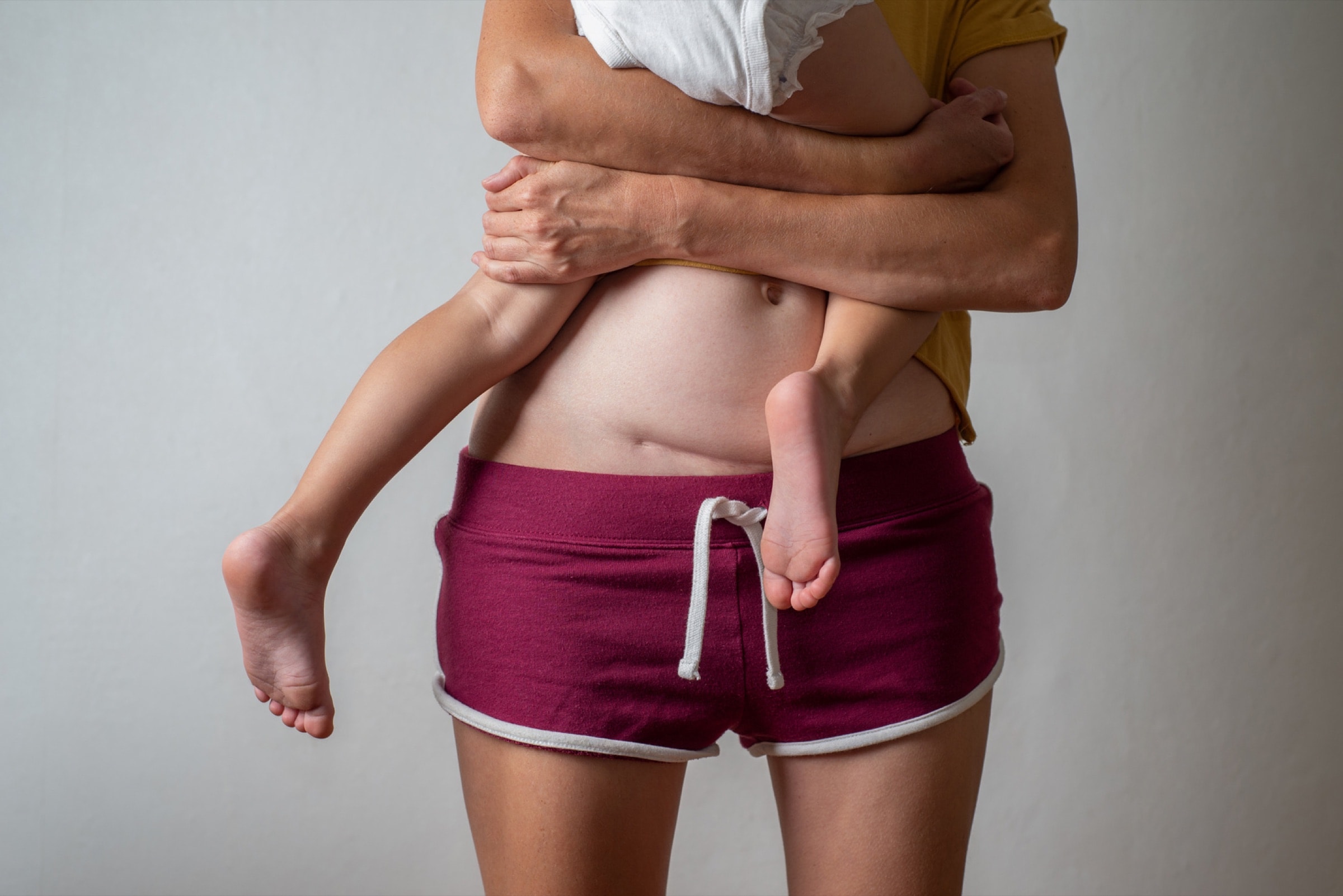
A C-section scar can hurt years later because it is much more than the line on your skin. The surgery passes through several layers, and those layers can heal stuck together, trap small nerves and leave the muscles around them guarding. The skin can look fully healed while the tissue underneath is still pulling.
Learn moreHow Dr. Gordon treats C-section scar painA scar goes deeper than the skin
A cesarean passes through the skin, fat, fascia, the abdominal muscles and the uterus. Each of those layers has to heal.
Those layers are meant to slide over one another when you stand up straight, reach or twist. After surgery, they can stay tight and stuck together. That is why many women feel a tug or pull at the scar.
Adhesions: when scar tissue reaches further
Inside the abdomen, scar tissue can also form bands called adhesions. They can tether the abdominal wall to deeper layers and limit how the bladder and uterus move.
Adhesions tend to build with each C-section. In one study of nearly 1,500 women, about 1 in 4 women having a second C-section already had adhesions, and more than 4 in 10 had them at a third. Adhesions are confirmed in surgery, not by touch, but they help explain a scar that feels tight from the inside.
Small nerves can get caught
Two small nerves, the ilioinguinal and iliohypogastric, run near a low, bikini-line incision. Scar tissue can trap them.
Nerve pain feels different from muscle pain. It tends to burn, feel sharp or electric, or leave numb patches near the scar. It can spread into the groin or upper inner thigh, which my page on ilioinguinal neuralgia explains.
One study followed 690 women two years after a low transverse incision for a C-section or hysterectomy. One in three still had some pain at the incision. Most of it was mild, but 7 percent had moderate or severe pain. Among the women with moderate to severe pain who were examined, more than half had a trapped nerve.
How a scar connects to your back, pelvis and bladder
After surgery, the abdominal muscles tighten to protect the area and can develop trigger points. The pelvic floor often guards after delivery as well. Because the abdominal wall, pelvic floor and bladder work closely together, that guarding can show up well away from the scar:
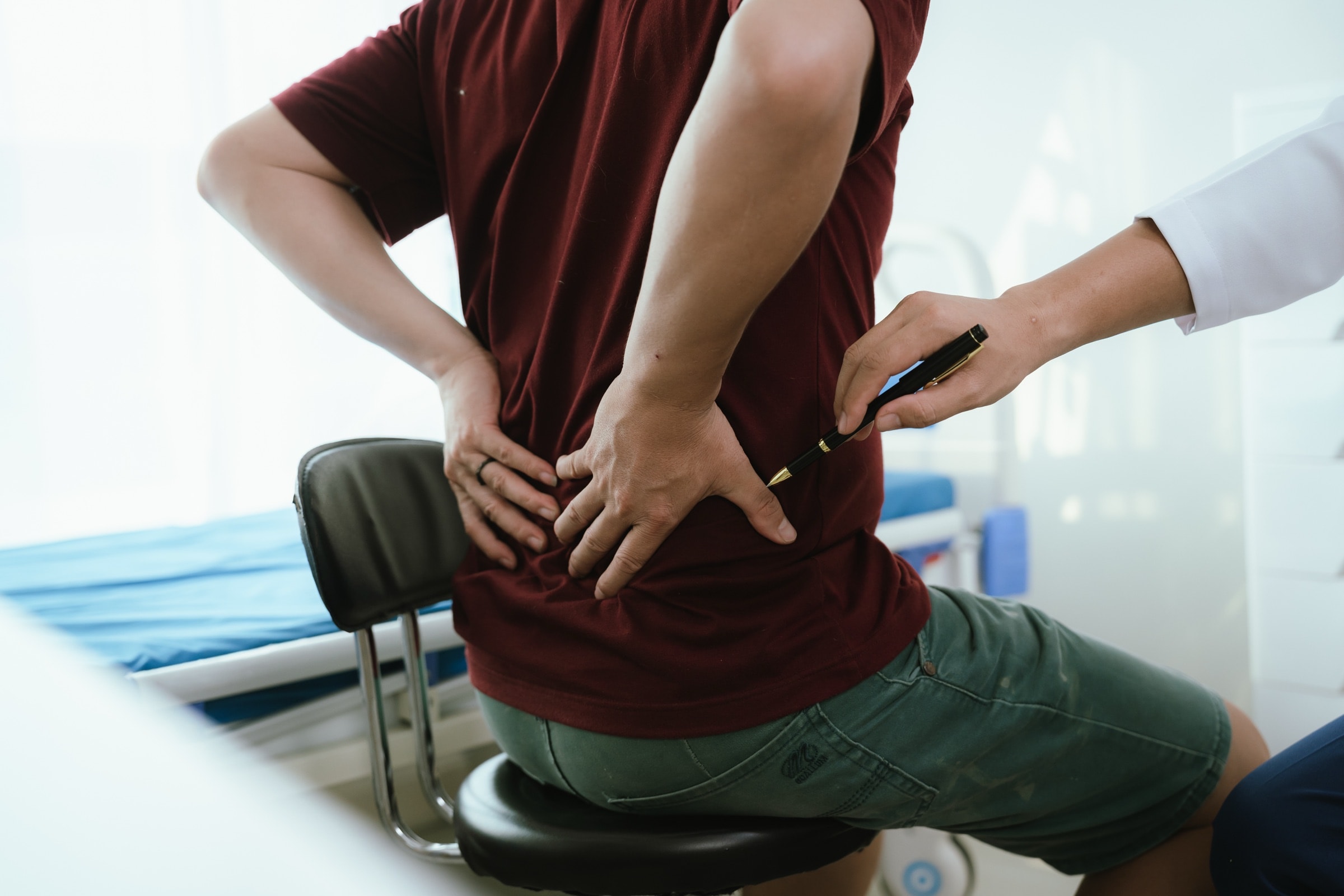
- Low back aching.
- Pelvic pain, or deep pain with intercourse.
- Bladder pressure or urgency and frequency that started after delivery.
Why it can start, or come back, years later
These effects can appear months or even years after delivery. Sometimes a new demand brings them out, like lifting a growing child or getting back to core work.
Your history matters too. In the study of 690 women, numbness at the scar and an emergency C-section were both linked to a higher chance of long-term pain.
What I check, and how it is treated
The first visit runs 60 to 75 minutes. I look at how your scar moves, where it pulls and which areas are tender or numb. I check the abdominal muscles and the nerves near the incision, and I examine the pelvic floor from the outside only, with no internal exam.
Dry needling works gently around the scar and releases the abdominal wall, hip and pelvic floor muscles that tighten after a C-section. For the deep pelvic floor, the needles go in through the skin of the buttock, perineum or inner thigh, never through the vagina or rectum. Alongside dry needling, I use neuro-functional acupuncture, built on neuroscience and evidence-based practice. Unlike regular electroacupuncture, the needles and gentle electrical stimulation are mapped to the specific nerves involved, such as the nerves near the scar. It works in three ways. It neurorehabilitates, helping irritated tissues and nerve receptors recover. It neuromodulates, shifting the body's own pain-relieving chemistry. It neuroregulates, calming the nerve signals and circuits that keep scar pain going. Many women improve within six to ten sessions, and results vary from person to person.
See a doctor first if you have fever or chills; redness, warmth, swelling or drainage at the incision; an incision that opens or bleeds; heavy vaginal bleeding that soaks a pad in an hour; calf pain and swelling, chest pain or shortness of breath; or feelings of hopelessness or thoughts of harming yourself (call or text 988). If you have any of these, contact your doctor or go to the nearest emergency department. Have your doctor check any new lump or bulge at the scar first, too.
If you are not sure what is causing your pain, try the My Symptoms tool.
Questions people ask
Why is the skin near my scar numb?
Numb patches usually mean small nerves near the incision were affected by the surgery or caught in scar tissue. Numbness alone is not always a problem. If the area also burns, tingles or aches, have the nerves checked.
Does having more than one C-section make scar pain more likely?
It can raise the odds. In the study of 690 women, having more than one surgery through the same kind of incision was linked to more chronic pain, and adhesions become more common with each C-section. Pain is not certain, but bring your surgical history to your visit.
Why does my scar hurt more around my period?
A painful lump in or near the scar that flares with your cycle can be endometriosis in the scar. It is uncommon, but in one study of 198 women with it, almost all had a lump and most had cyclic pain. See your gynecologist first, because it needs medical diagnosis and treatment.
References
- Loos MJ, et al. The Pfannenstiel incision as a source of chronic pain. Obstet Gynecol. 2008;111(4):839-846.
- Tulandi T, et al. Adhesion development and morbidity after repeat cesarean delivery. Am J Obstet Gynecol. 2009;201(1):56.e1-56.e6.
- Zhang P, et al. Cesarean scar endometriosis: presentation of 198 cases and literature review. BMC Womens Health. 2019;19(1):14.