Burning Without Infection: When Bladder Symptoms Come From Muscles
Burning, urgency and frequency do not always mean infection. When urine tests keep coming back clean, the cause is often the pelvic floor muscles around the bladder and the nerves that run through them. Tight muscles and irritated nerves can send the same signals an infection does, and they can be treated.
Learn moreHow Dr. Gordon treats burning without infectionWhat it feels like
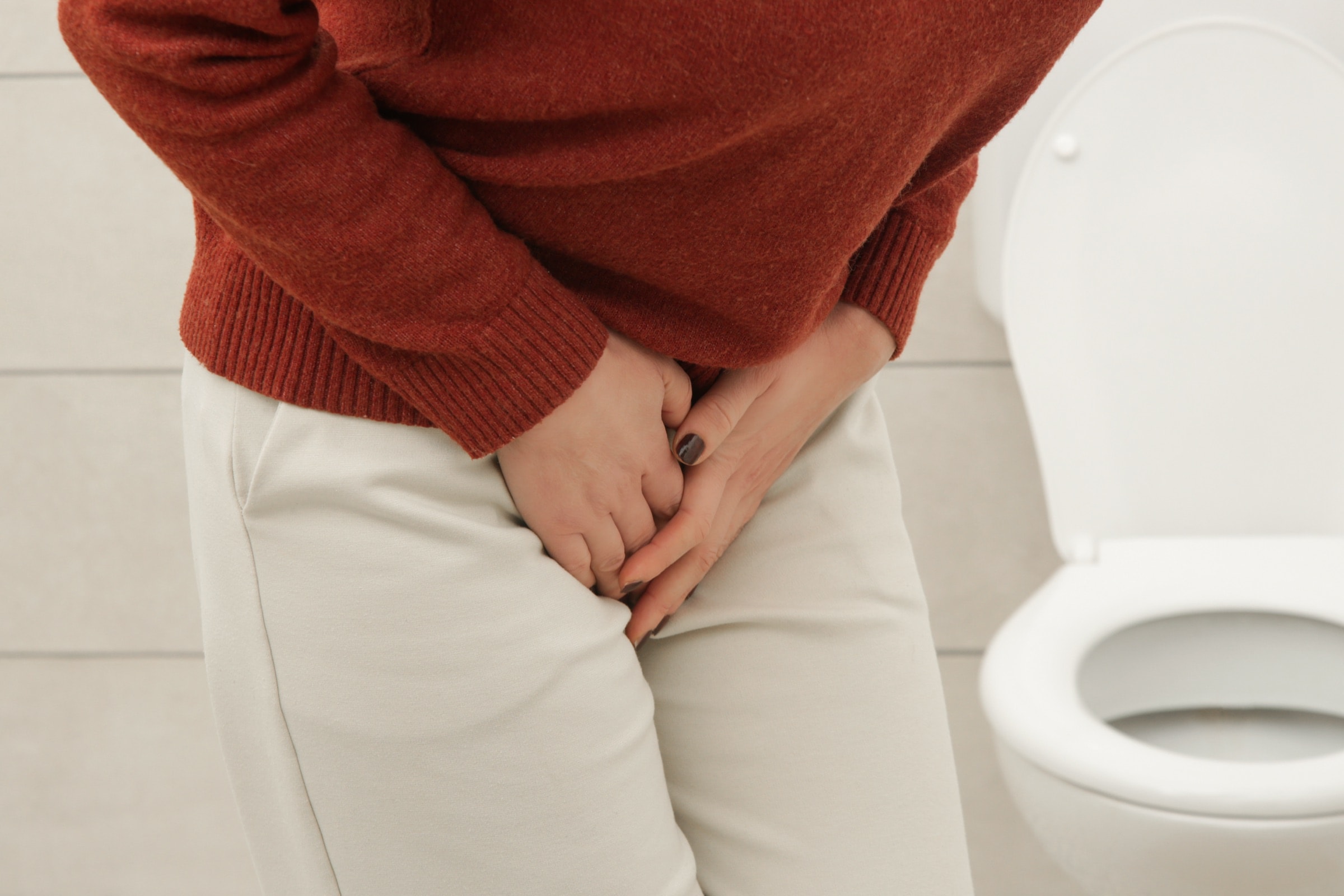
Most people describe it as a urinary tract infection that never quite shows up. There is burning in the urethra, during urination or between trips to the bathroom. The urge comes on fast, only a little comes out, and an hour later you need to go again. Antibiotics did not help, or helped only briefly.
In interstitial cystitis, the National Institutes of Health describes this kind of urgency as pain or burning with an urgent need to urinate before the bladder has had time to fill. For comparison, most people urinate four to seven times a day.
The bladder sits on a bed of muscle
The pelvic floor is a group of muscles attached to the pelvic bones. It supports the bladder, the bowel, and the uterus or prostate, and it surrounds the urethra. These muscles tighten to hold urine in and have to let go for urine to flow.
Because they work so closely together, a muscle problem can feel exactly like a bladder problem, even when the bladder itself is healthy.
How tight muscles create urgency and frequency
When the pelvic floor stays tight, a few things can happen.
- The urge gets louder. Tight pelvic floor muscles can strengthen the urge signal, so the bladder feels full long before it is.
- Emptying feels unfinished. Muscles that squeeze the urethra can make emptying feel incomplete, so you go back sooner.
- Pain gets referred. Trigger points in the pelvic floor, the lower abdominal wall, the inner thigh and the obturator internus, a deep hip muscle, can mimic bladder pain and add to urgency.
How irritated nerves create burning
Burning is the way many nerves report irritation. In the pelvis, the pudendal nerve and its branches supply the urethra, genitals, perineum and anus, and they pass through and between the pelvic floor muscles. When tight muscle presses on the nerve, or long sitting or cycling loads it, the nerve can produce burning that feels identical to an infection.
Nerves can also stay on alert after a real infection is gone. The infection clears, but the muscles keep guarding and the nerves keep signaling. After months of symptoms, the nerves serving the bladder and pelvis can become more reactive, so normal filling registers as an alarm. That is why burning so often starts with a real infection and then outlasts it.
What the research supports
The NIH notes that bladder area pain may come from spasm in the pelvic floor muscles, and that a physical therapist may work to stretch tight pelvic floor muscles and help keep them relaxed. The American Urological Association's guideline on interstitial cystitis recommends offering manual therapy to people with pelvic floor tenderness, including techniques that release pelvic, abdominal and hip trigger points.
If you have already been told everything looks normal, I wrote about why routine tests miss tight muscles in Why Pelvic Floor Pain Gets Missed, and What a Muscle Exam Can Find.
See a doctor first if you have fever or chills with pelvic or urinary symptoms; inability to urinate; visible blood in the urine or stool; sudden, severe pelvic or abdominal pain; unexplained weight loss; or new numbness in the saddle area or loss of bladder or bowel control. If you have any of these, contact your doctor or go to the nearest emergency department. When burning feels like an infection, testing for infection is the right first step.
Where treatment fits
The first visit runs 60 to 75 minutes, and the pelvic floor is examined from the outside, with no internal exam. Dry needling releases the tight muscles through the skin of the buttock, perineum or inner thigh, never through the vagina or rectum. Alongside dry needling, I use neuro-functional acupuncture, built on neuroscience and evidence-based practice. Unlike regular electroacupuncture, the needles and gentle electrical stimulation are mapped to the specific nerves involved, such as the pudendal and sacral nerves. It works in three ways. It neurorehabilitates, helping irritated tissues and nerve receptors recover. It neuromodulates, shifting the body's own pain-relieving chemistry. It neuroregulates, calming the nerve signals and circuits that keep the burning going. If urgency leads, my urinary urgency and frequency page explains more, and the interstitial cystitis page shows how I work alongside your urologist.
Most patients are seen weekly or every other week during active care. Results vary from person to person.
If you are not sure what is causing your pain, try the My Symptoms tool.
Questions people ask
Should I do Kegels for bladder urgency?
Not if your pelvic floor is already tight. Kegels train the muscles to squeeze harder, and tight muscles usually need to learn to let go first. The American Urological Association's guideline for interstitial cystitis advises avoiding pelvic floor strengthening exercises such as Kegels.
Can a tight pelvic floor make it hard to start urinating?
It can. The muscles that hold urine in have to relax to let it out, and when they stay tight the stream can be slow to start and emptying can feel incomplete. Any new change in your stream should also be checked by your physician.
Why does the burning come and go?
Muscle and nerve symptoms rise and fall with load. Long sitting, cycling, sex and stressful days can flare them, and so can certain drinks and foods for some people. A simple two week diary of fluids, sitting and symptoms often shows a pattern we can plan around.
References
- National Institute of Diabetes and Digestive and Kidney Diseases. Symptoms and Causes of Interstitial Cystitis. NIH. Last reviewed July 2017.
- National Institute of Diabetes and Digestive and Kidney Diseases. Treatment for Interstitial Cystitis. NIH.
- Clemens JQ, et al. Diagnosis and Treatment of Interstitial Cystitis/Bladder Pain Syndrome. J Urol. 2022;208(1):34-42.