Why Pelvic Floor Pain Gets Missed, and What a Muscle Exam Can Find
Pelvic floor pain often gets missed because routine tests look for infection, inflammation or structural damage, and tight, irritated muscles do not show up on a urine culture or most scans. When those tests come back normal, many people are told nothing is wrong. A careful external muscle exam can often find what the tests could not: muscles held too tight, trigger points that bring on the familiar pain, and muscles that do not relax when they should.
Learn morePelvic floor dry needling with Dr. Gordon"Your tests are normal"
Many of my pelvic floor patients have heard this more than once. They have seen a urologist, a gynecologist or a colorectal specialist. Some have taken antibiotics for infections their cultures never confirmed. Many have already tried pelvic floor physical therapy, which helps a lot of people, but did not fully settle their pain.
Normal results are good news, because they rule out serious problems. They just do not explain the pain. That is often the point to examine the muscles.
Why pelvic floor dysfunction gets overlooked
- The symptoms borrow other names. Bladder burning can feel like an infection when it is not, which is why I have a page on burning without infection. In men, pelvic muscle pain is often labeled chronic prostatitis.
- The pain shows up somewhere else. Pelvic floor muscles can send pain to the hip, groin, tailbone, low back or inner thigh. Pain with sitting is one of the most common clues.
- It is seen as a women's issue. Pelvic floor dysfunction affects people of every gender, and men are often the last to be checked for it.
- Few providers treat these muscles directly. Reaching the deep pelvic floor takes training in both pelvic anatomy and neuromuscular needling.
What happens in the muscle exam
The first visit starts with your story: your pain history, what you have tried, and any imaging or surgical history. Bring test results if you have them.
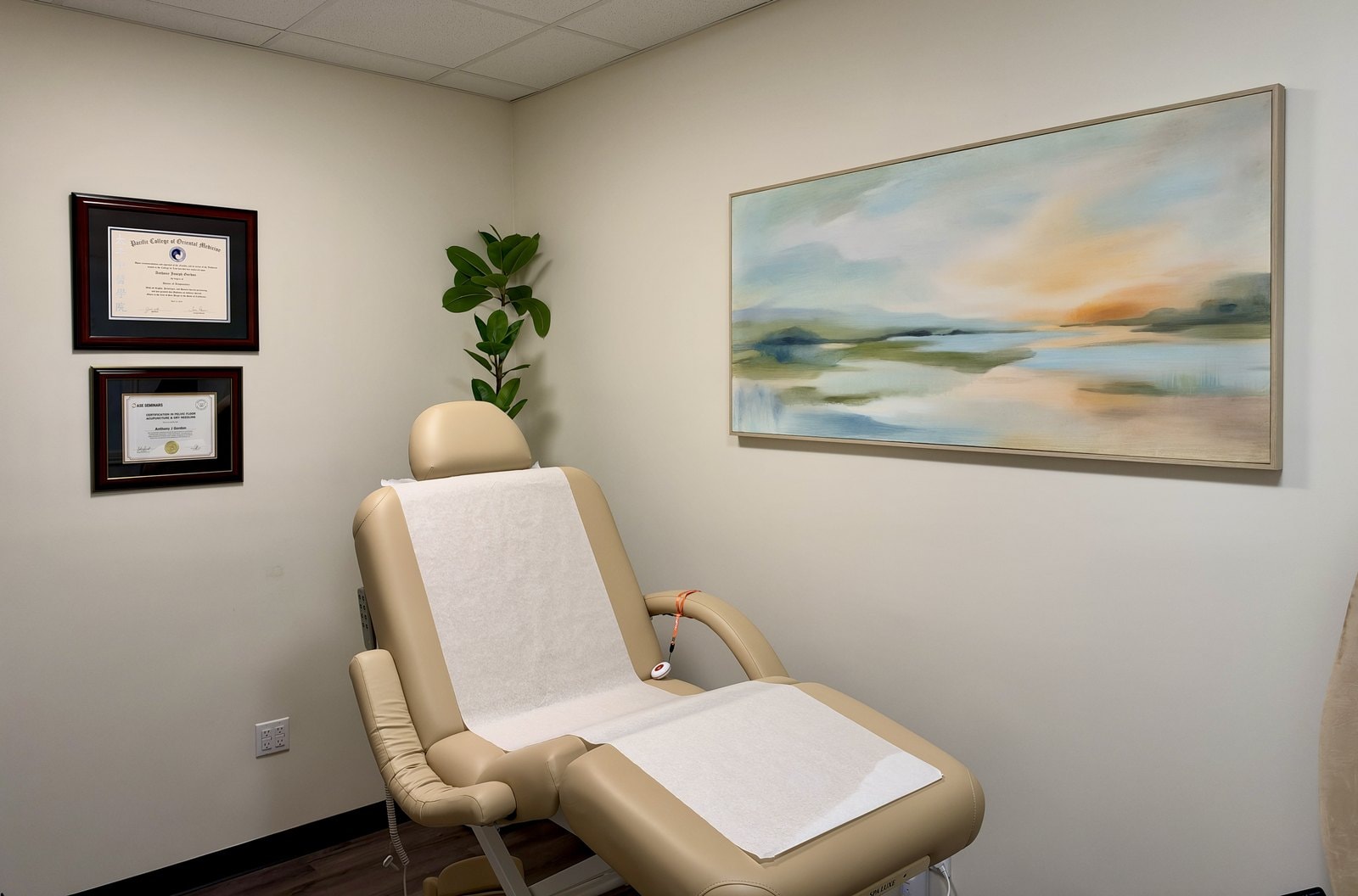
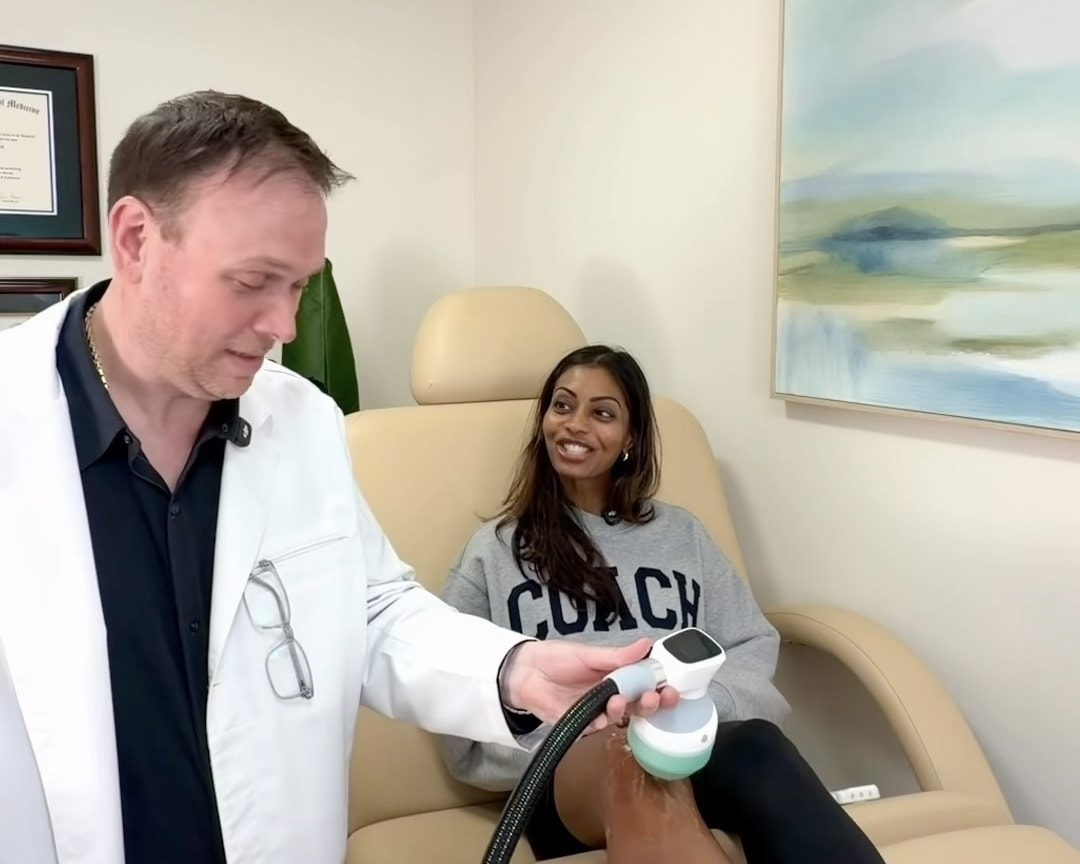
The exam itself is external. There is no internal exam. I use gentle pressure around the perineum, sit bones, tailbone and inner thighs, and check the hip, gluteal and abdominal muscles that work with the pelvic floor. I explain each step before it happens, and nothing is done without your consent.
What the external exam can find
Everything below is found with a non-internal exam, from the outside only. There is no internal exam.
- Tone. Whether the muscles are held too tight. Many people with pelvic pain have muscles that are overactive, not weak.
- Trigger points. Tender spots that bring on your familiar pain when pressed. When a patient says "that's the pain," it is a strong clue.
- Coordination. Whether the muscles relax when they should, such as when you sit, urinate or have a bowel movement. A non-relaxing pelvic floor can cause symptoms that look like a bladder or bowel problem.
These findings tell me which muscles are driving the problem, so treatment can be aimed at them.
What comes next
When the muscles are the main driver, treatment often includes pelvic floor dry needling. Intrapelvic needling reaches the deep muscles through the skin of the buttock, perineum or inner thigh, never through the vagina or rectum. Extrapelvic needling treats the hip, gluteal and abdominal muscles around them. Alongside dry needling, I use neuro-functional acupuncture, built on neuroscience and evidence-based practice. Unlike regular electroacupuncture, the needles and gentle electrical stimulation are mapped to the specific nerves involved, such as the pudendal and sacral nerves. It works in three ways. It neurorehabilitates, helping irritated tissues and nerve receptors recover. It neuromodulates, shifting the body's own pain-relieving chemistry. It neuroregulates, calming the nerve signals and circuits that keep pelvic pain going. You get a plan with clear milestones.
I am certified in intrapelvic and extrapelvic dry needling through the ASE Seminars Pelvic Floor Certification, trained by Dr. Jamie Hampton, and one of a small number of providers in New York State with this training. The pelvic floor page explains the treatment in full.
Not sure which symptoms fit? The My Symptoms page groups pelvic, bladder, bowel and sexual symptoms with their common causes.
Questions people ask
My doctor said everything looks normal. Should I still come in?
Yes, if the pain is still there. Normal tests usually rule out infection and structural problems, which is important to know first. The muscles can still be the source, and that is what the exam looks for. Bring your results so I can build on what has already been checked.
Can pelvic floor muscles cause tailbone or hip pain?
Yes. These muscles attach around the pelvis and tailbone and work closely with the hip muscles, so tension there is often felt in those areas. Tailbone pain in particular often has a pelvic floor part.
Can stress make pelvic floor pain worse?
It can. Many people hold tension in the pelvic floor without noticing, much like clenching the jaw. Stress tends to make that holding pattern stronger, which is one reason calming the nervous system is part of care.