Why Heel Pain Is Worst With Your First Steps in the Morning
Heel pain that is worst with your first steps out of bed usually comes from the plantar fascia, the thick band of tissue under your foot. Overnight, the fascia and calf rest in a shortened position and stiffen. Your first steps stretch that irritated tissue all at once, so it hurts most until it warms up. That pattern is the classic sign of plantar fasciitis, and it also says a lot about what keeps it going.
Learn moreHow Dr. Gordon treats plantar fasciitisWhat first-step pain feels like
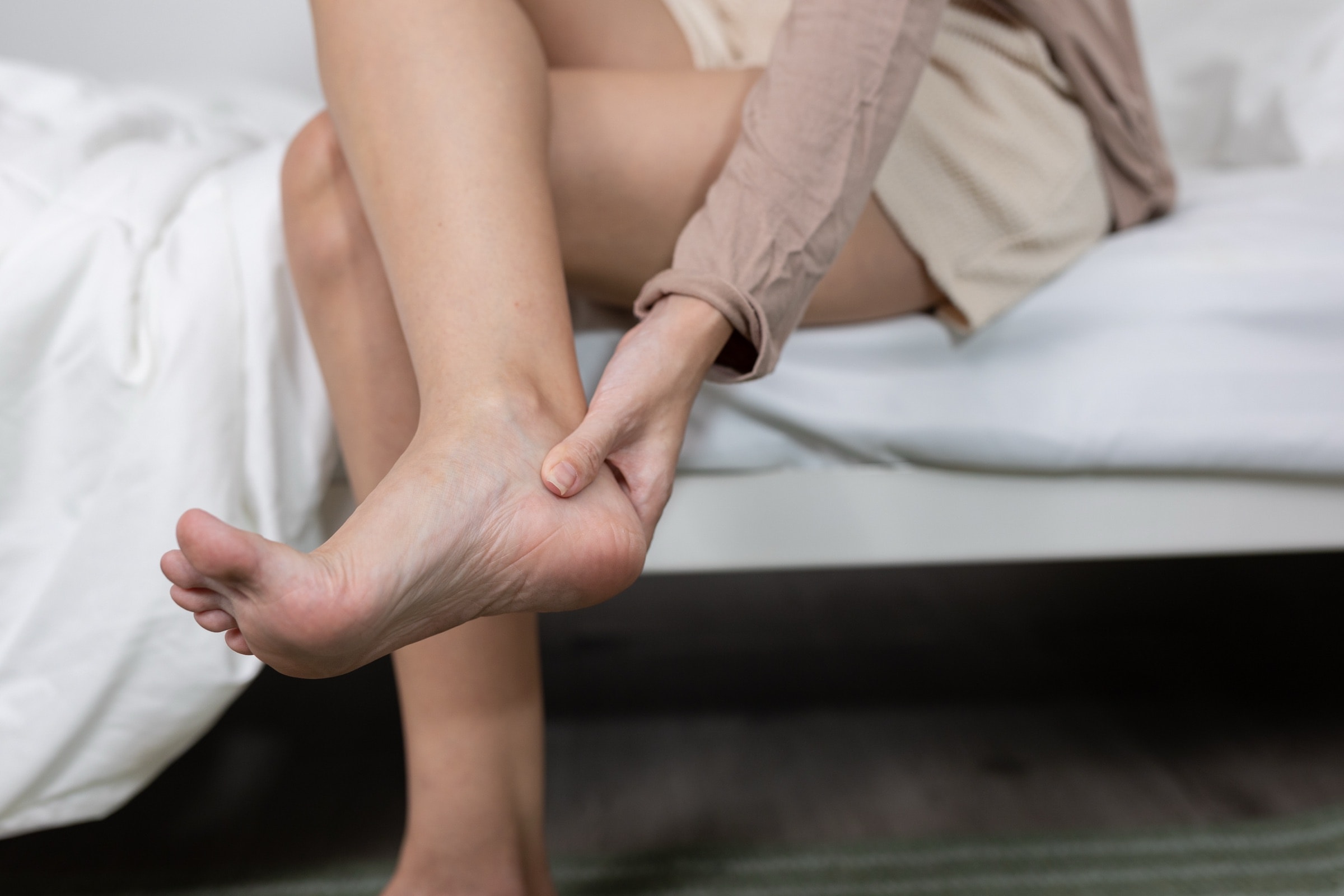
Most people describe a sharp or stabbing pain on the inner bottom of the heel when they first stand. After a few minutes of walking, it eases to a dull ache. It comes back when you stand after sitting, or at the end of a long day on your feet.
That rhythm is the clue. The pain comes after rest and eases as you walk, whatever the time of day.
What happens to the fascia overnight
The plantar fascia runs from the heel to the toes. It supports your arch and absorbs load with every step. Overload irritates the spot where it attaches to the heel.
While you sleep, nothing stretches it. The foot tends to relax with the toes pointed, so the fascia and calf sit slack and stiffen for hours.
Then you stand. Your weight lands on the heel, the arch flattens, and the stiff fascia is pulled tight in one go. That sudden stretch is the stab you feel. As you keep walking, the tissue warms up and the pain settles. Sit for an hour and the cycle starts again.
The 2023 physical therapy guideline for heel pain describes the same pattern. It is also why night splints, which keep the fascia gently stretched overnight, are one of the options it recommends for first-step pain.
What the pattern tells you
It points to the calf. The calf and Achilles attach to the heel, and tight calves increase the pull on the fascia. The same guideline lists limited ankle bend, higher body weight and work that keeps you on your feet as things to check. Trigger points in the calf and small foot muscles can also send pain to the heel. If the back of your ankle is sore too, see my ankle pain page.
It points to load. A jump in walking, running or standing, new shoes, or long days on hard floors can push the fascia past what it tolerates.
It is not only inflammation. The name "fasciitis" suggests inflammation, but the guideline notes the tissue can show both inflammatory and degenerative changes. That is why it is sometimes called plantar fasciopathy, and why rest and ice alone may not settle it.
It helps rule other things out. Heel pain that builds the longer you walk, burns or tingles, or wakes you at night deserves a closer look for things like a stress fracture or nerve entrapment.
See a doctor first if you have a joint that is hot, red and swollen, especially with fever; inability to bear weight after an injury; visible deformity after a fall or injury; sudden swelling after a pop or twist; calf pain and swelling, which can signal a blood clot; or numbness, coldness or color change in the foot. If you have any of these, contact your doctor or go to the nearest emergency department.
How I treat it
The first visit runs 60 to 75 minutes. I check the heel and arch, map the calf, Achilles and small foot muscles, and look at how you walk and your shoes. Dry needling releases the muscles that load the fascia, and footwear and loading guidance is coordinated with your podiatrist or physical therapist. Alongside dry needling, I use neuro-functional acupuncture, built on neuroscience and evidence-based practice. Unlike regular electroacupuncture, the needles and gentle electrical stimulation are mapped to the specific nerves involved, such as the nerves of the heel and foot. It works in three ways. It neurorehabilitates, helping irritated tissues and nerve receptors recover. It neuromodulates, shifting the body's own pain-relieving chemistry. It neuroregulates, calming the nerve signals and circuits that keep heel pain going. The plantar fasciitis page has the full picture.
Where shockwave fits
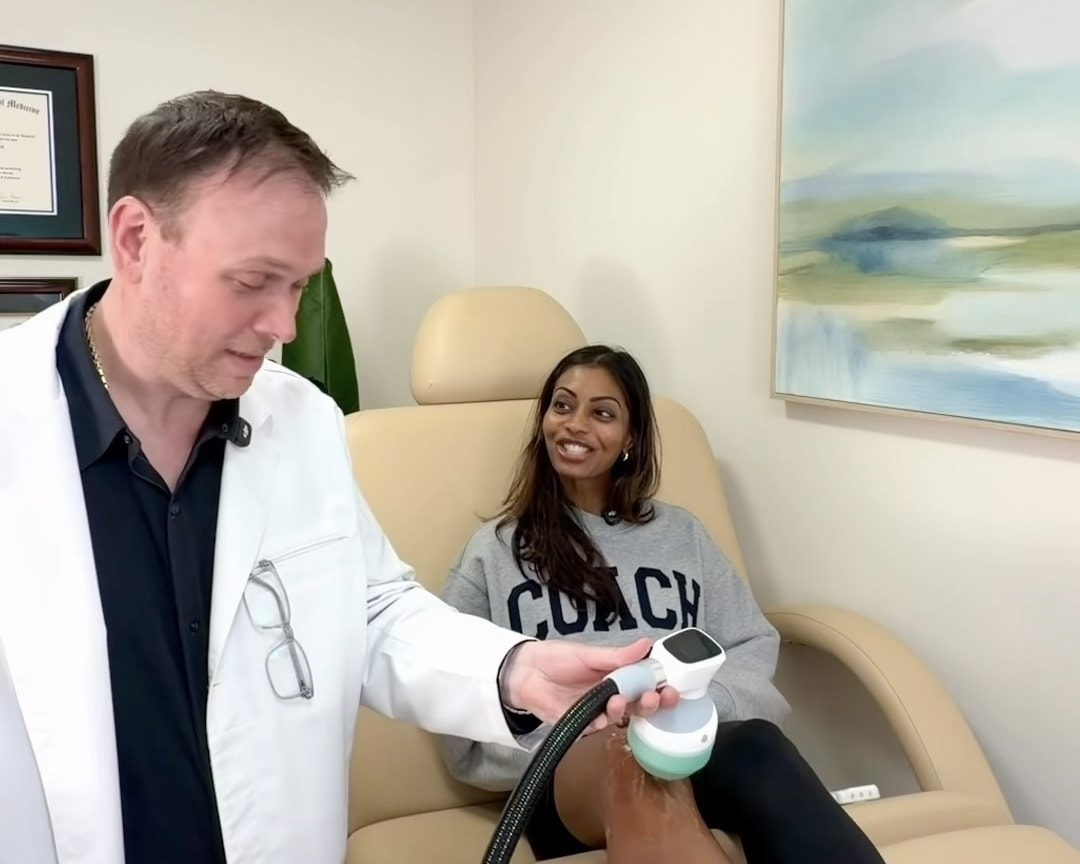
For heel pain that has hung on, shockwave therapy can be part of the plan. I start by mapping: healthy tissue feels like almost nothing under the applicator, while irritated tissue gives a deep, familiar ache. That tells me where to treat.
Shockwave is a process, not a one-visit fix, and it works best alongside the rest of the plan. Which kind of shockwave suits a heel is covered in Focused vs Radial Shockwave: Which One Does Your Injury Need?
What the research shows
The American Academy of Orthopaedic Surgeons notes that more than 90% of people with plantar fasciitis improve within 10 months of starting simple treatment. The 2023 guideline recommends calf and plantar fascia stretching, night splints, and dry needling of trigger points in the calf and foot muscles. Shockwave studies for heel pain have mixed results, so I use it as one part of a plan. Results vary from person to person.
If you are not sure what is causing your pain, try the My Symptoms tool.
Questions people ask
Why does the pain come back after I sit for a while?
Sitting does to the fascia what sleep does, on a smaller scale. The tissue rests and stiffens, and the first steps stretch it again. On long desk days, standing up to move every so often can help.
Should I go barefoot at home?
While your heel is sore, supportive shoes are usually kinder than bare feet on hard floors. Shoes with thick soles and extra cushioning can reduce pain with standing and walking, so keep a pair by the bed.
Will plantar fasciitis go away on its own?
Many cases settle with time and simple care, but it can take months. Working on the calf, foot muscles and daily load can make that time easier. If it keeps coming back or limits work or exercise, have it checked.
References
- Koc TA Jr, et al. Heel Pain - Plantar Fasciitis: Revision 2023. J Orthop Sports Phys Ther. 2023;53(12):CPG1-CPG39.
- Mayes KM. Plantar Fasciitis and Bone Spurs. OrthoInfo, American Academy of Orthopaedic Surgeons. Accessed October 2026.