Rectal Pain With Normal Tests: Levator Ani Syndrome
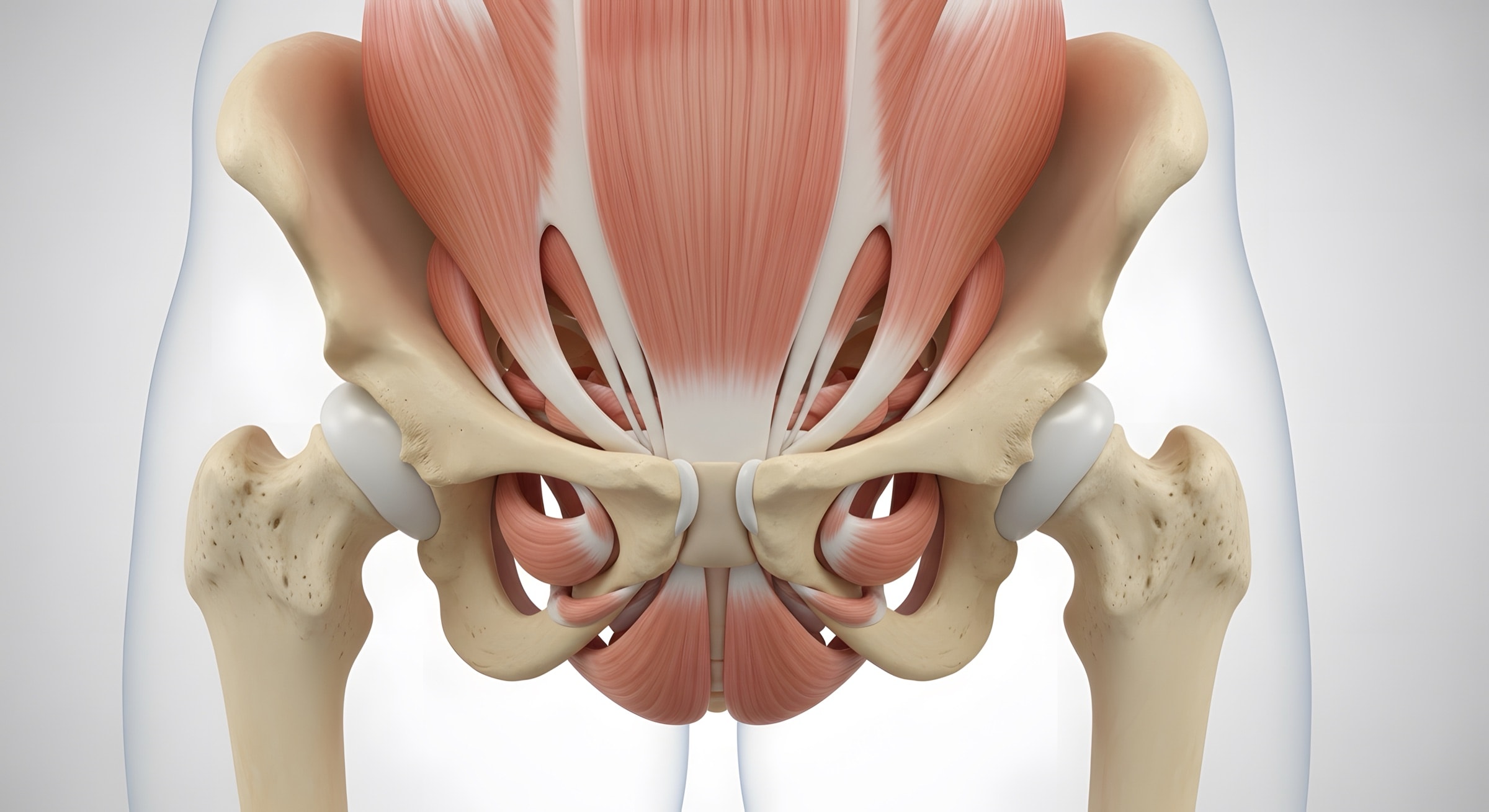
A deep, dull ache in the rectum that lasts half an hour or more, with a normal colonoscopy and a normal exam, often comes from the levator ani, the largest muscle group of the pelvic floor. When other causes have been ruled out, GI specialists call this levator ani syndrome. It has a formal definition, and the muscle behind it can be treated.
Learn moreHow Dr. Gordon treats levator ani syndromeWhat it feels like
Most people describe a dull ache or pressure high in the rectum, as if something is sitting there. It tends to build the longer you sit, and some people feel it spread toward the tailbone or buttock.
It can also leave you feeling that you have not fully emptied after a bowel movement.
How GI doctors define it
GI specialists use the Rome IV criteria, the standard definitions for functional gut and anorectal disorders. For levator ani syndrome, all of these must be true:
- Chronic or recurring rectal pain or aching.
- Episodes that last 30 minutes or longer.
- Tenderness when your doctor applies traction to the puborectalis, part of the levator ani, during a rectal exam.
- Other causes of rectal pain, such as inflammatory bowel disease, have been ruled out.
The symptoms need to be present for the last three months, starting at least six months before the diagnosis.
If the pattern fits but the muscle is not tender on that exam, the label changes to unspecified functional anorectal pain.
It is not rare. In one survey cited in the Rome IV review, 6.6 percent of people reported its symptoms.
Why the tests come back normal
Colonoscopy and an anal exam look for inflammation, hemorrhoids, fissures, an abscess or a growth. These are the right first tests, and a normal result is good news.
These tests do not measure muscle tension or trigger points, so a common source, the muscles and nerves around the rectum, goes unexamined. The levator ani works with its neighbors, the coccygeus and obturator internus, and pulls toward the tailbone, which is why rectal pain and tailbone pain often travel together.
Your GI doctor comes first
Rectal pain should always be checked by a gastroenterologist or colorectal surgeon before muscle care starts. Per the Rome IV review, the workup often includes sigmoidoscopy, ultrasound and pelvic imaging to exclude other diseases. The rectal exam that checks for puborectalis tenderness is done by your physician, not in my clinic.
See a doctor first if you have blood in the stool or black, tarry stools; a lasting change in bowel habits, especially after age 45; unexplained weight loss; severe abdominal pain with fever or vomiting; fever with a painful lump or swelling near the anus; fever or chills with pelvic or urinary symptoms; inability to urinate; visible blood in the urine; or new numbness in the saddle area or loss of bladder or bowel control. If you have any of these, contact your doctor or go to the nearest emergency department.
What the research shows
The Rome IV review describes a randomized trial that compared three treatments in 157 people with chronic rectal pain. Among those whose puborectalis was tender, 87 percent reported adequate relief after biofeedback, compared with 45 percent after electrical stimulation and 22 percent after massage. The improvement held at 12 months.
Biofeedback, usually guided by a pelvic floor physical therapist, retrains the pelvic floor to relax. That trial did not test dry needling, but it does show that when the muscle is tender, treatment aimed at the muscle can help. If straining is part of your picture, my post What Your Pelvic Floor Has to Do With Constipation covers that side.
Where my care fits
The first visit runs 60 to 75 minutes. I review your colonoscopy and GI notes, check the tailbone, hips and buttock, and go over sitting and bowel habits. The pelvic floor muscles are examined from the outside, with no internal exam.
Dry needling releases the levator ani and its neighboring muscles. Deep pelvic floor needling goes in through the skin of the buttock, perineum or inner thigh, never through the vagina or rectum. Alongside dry needling, I use neuro-functional acupuncture, built on neuroscience and evidence-based practice. Unlike regular electroacupuncture, the needles and gentle electrical stimulation are mapped to the specific nerves involved, such as the pudendal and sacral nerves. It works in three ways. It neurorehabilitates, helping irritated tissues and nerve receptors recover. It neuromodulates, shifting the body's own pain-relieving chemistry. It neuroregulates, calming the nerve signals and circuits that keep rectal pain going. The rectal pain page explains the full plan. Many people improve within six to ten sessions, with reassessment along the way. Results vary from person to person.
I work alongside your GI doctor and pelvic floor physical therapist, not in place of them.
If you are not sure what is causing your pain, try the My Symptoms tool.
Questions people ask
My colonoscopy was normal. Why do I still hurt?
A colonoscopy looks at the bowel lining. It cannot show a tight, tender pelvic floor muscle. A normal result rules out many serious causes and points the search toward the muscles and nerves around the rectum.
What is unspecified functional anorectal pain?
It is the Rome IV term for the same long, aching rectal pain when the puborectalis is not tender on a rectal exam. The pain is just as real, and the other pelvic floor, hip and tailbone muscles can still drive it.
Should I also try biofeedback?
Often, yes. The Rome IV review calls pelvic floor biofeedback effective for levator ani syndrome, and the trial results above were in people whose muscle was tender. Ask your GI doctor about a pelvic floor physical therapist. I am glad to coordinate.
References
- Rao SSC, et al. Anorectal disorders. Gastroenterology. 2016;150(6):1430-1442.