Tailbone Pain: Why Sitting Hurts at the Very Bottom of the Spine
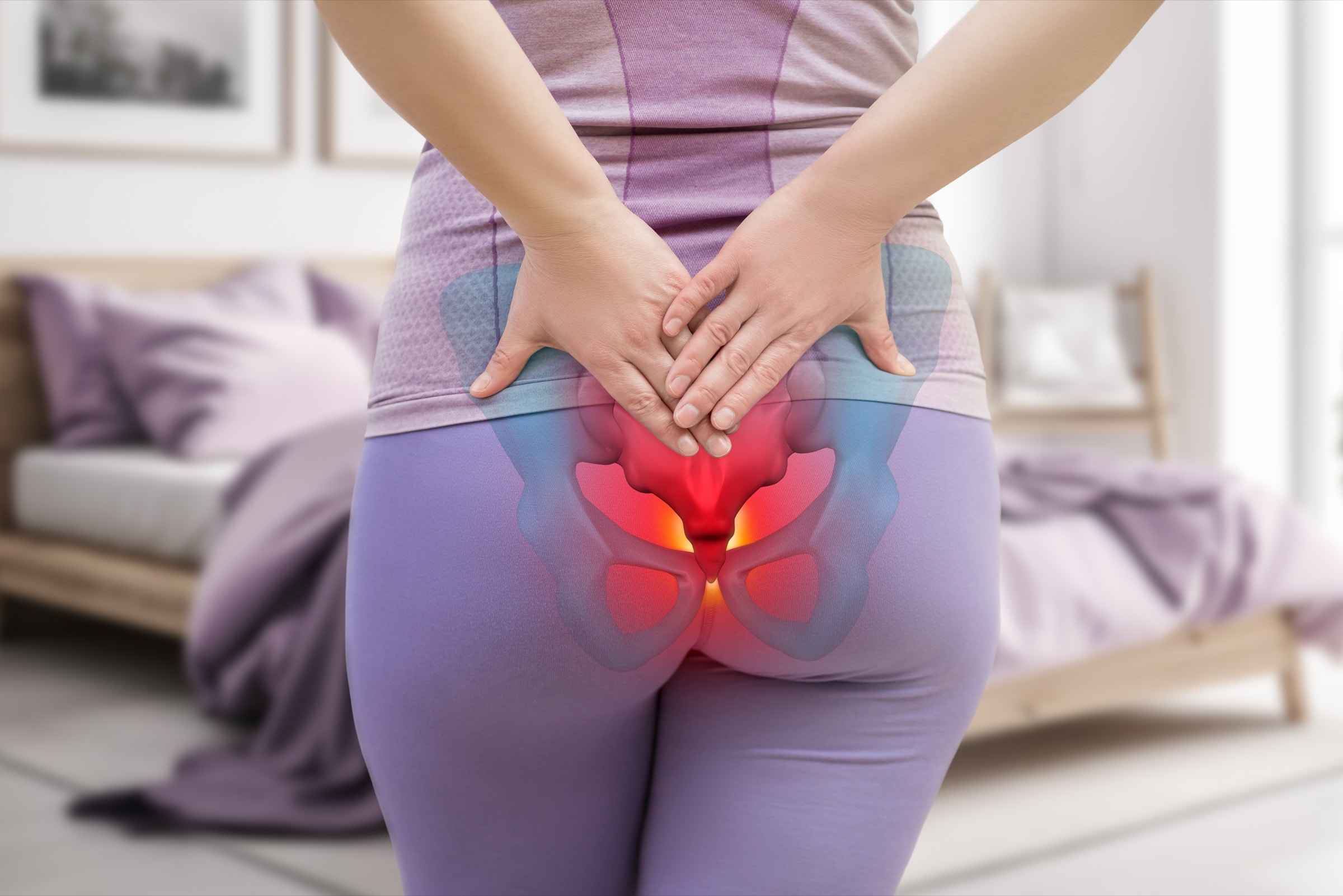
Tailbone pain, called coccydynia, hurts most when you sit because the coccyx takes direct pressure, and leaning back adds more. It usually starts with a fall or childbirth, though sometimes there is no clear cause. Several pelvic floor and buttock muscles attach to the tailbone, so tight muscles can keep the pain going long after the original injury.
Learn moreHow Dr. Gordon treats tailbone painThe small bone where many muscles meet
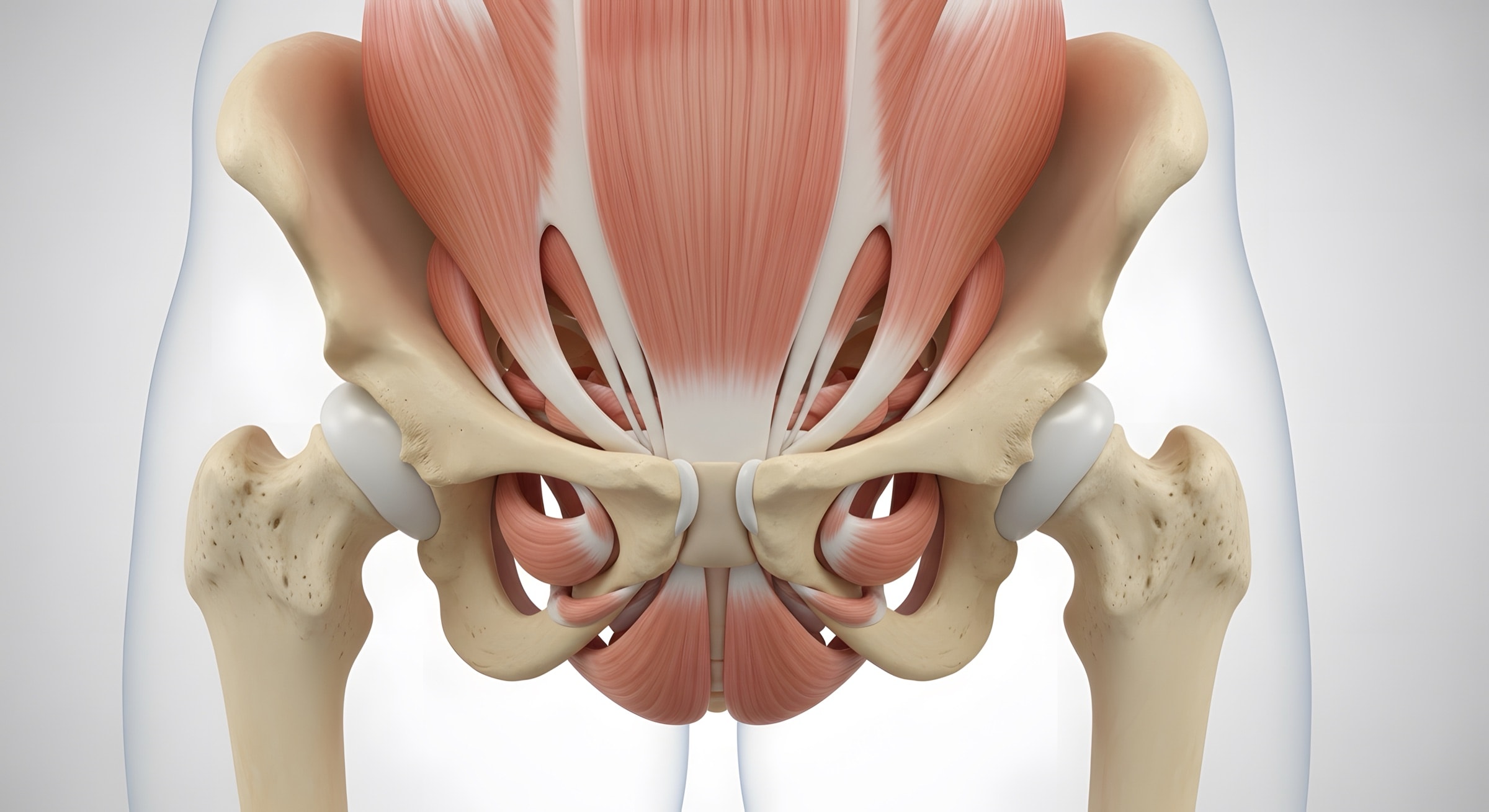
The coccyx is the small bone at the very bottom of the spine, just below the sacrum. It looks minor, but a lot attaches to it.
The levator ani, the main pelvic floor muscle, and the sacrococcygeal ligament sit along its front. The coccygeal muscles and the sacrospinous ligament attach along its sides. The tendon of the iliococcygeus, part of the pelvic floor, inserts at its tip. The gluteus maximus attaches there too.
That makes the tailbone an anchor point for the floor of the pelvis.
Why sitting hurts right there
Sitting upright puts most of your weight on the two sit bones. Slumping or leaning back rolls the pelvis backward onto the coccyx. A review in the Ochsner Journal notes that leaning back while seated increases pressure on the coccyx.
That same review describes pain that is usually worse with long sitting, leaning back while seated, long standing and rising from a seat. Some people also feel it during a bowel movement or with sex.
If you are not sure whether your sitting pain comes from the tailbone or somewhere else, my post Why Sitting Makes Pelvic and Buttock Pain Worse compares the common sources.
How it starts
- A backward fall. Landing hard on the buttocks is the classic cause.
- Childbirth. The coccyx sits right behind the birth canal, which makes it vulnerable during delivery. My postpartum pelvic pain page covers the wider picture after birth.
- Repeated pressure. Long hours on hard or narrow seats, cycling and rowing can irritate it over time.
- No clear cause. Sometimes it comes on gradually, with wear in the joints of the coccyx or no obvious trigger.
The Ochsner review reports that women are about five times more likely than men to develop coccydynia, and that obesity also raises the risk.
Why it can linger
Imaging checks the bone for a fracture or dislocation. It does not show the muscles pulling on the tailbone. When the levator ani and coccygeus are tight, they pull on the coccyx. Trigger points in the gluteal muscles near the coccyx can also refer pain to the area.
Tight pelvic floor muscles here can also cause a deep rectal ache, which my levator ani syndrome page explains.
Most tailbone pain settles with simple care. The same review reports that conservative treatment is successful in 90 percent of cases, and many cases resolve without medical treatment.
See your doctor first
After a fall, see your primary care doctor or an orthopedist before anything else. Your physician may order imaging to check for a fracture or dislocation. Less often, tailbone pain comes from an infection, such as a pilonidal cyst, or a growth, another reason to have it checked. My care works alongside your doctor's.
See a doctor first if you have fever or chills with pelvic or urinary symptoms; inability to urinate; visible blood in the urine or stool; sudden, severe pelvic or abdominal pain; unexplained weight loss; or new numbness in the saddle area or loss of bladder or bowel control. If you have any of these, contact your doctor or go to the nearest emergency department.
Where my care fits
The first visit runs 60 to 75 minutes. I review your imaging and records, examine the tailbone region, and look at how you sit and what aggravates the pain. The pelvic floor muscles are examined from the outside, with no internal exam.
Dry needling releases the pelvic floor and gluteal muscles that pull on the tailbone. Deep pelvic floor needling goes in through the skin of the buttock, perineum or inner thigh, never through the vagina or rectum. Alongside dry needling, I use neuro-functional acupuncture, built on neuroscience and evidence-based practice. Unlike regular electroacupuncture, the needles and gentle electrical stimulation are mapped to the specific nerves involved, such as the sacral nerves. It works in three ways. It neurorehabilitates, helping irritated tissues and nerve receptors recover. It neuromodulates, shifting the body's own pain-relieving chemistry. It neuroregulates, calming the nerve signals and circuits that keep tailbone pain going. Many people improve within six to ten sessions. Results vary from person to person, and the pain with sitting page covers other sitting problems I treat.
If you are not sure what is causing your pain, try the My Symptoms tool.
Questions people ask
My fall was months ago. Why does my tailbone still hurt?
Once a fracture has been ruled out, lasting pain often comes from the muscles that attach to the tailbone. After a fall they can stay guarded and tight, pulling on the coccyx every time you sit or stand. That muscle side can be examined and treated.
Why does my tailbone hurt during or after a bowel movement?
The levator ani attaches along the front of the coccyx and has to relax and move during a bowel movement, so a tight or irritated pelvic floor can tug on the tailbone. Pain during bowel movements is a known feature of coccydynia. Any blood in the stool needs a doctor first.
Is tailbone pain more common in women?
Yes. A research review reports that women are about five times more likely than men to develop it. Childbirth is one cause specific to women, and men get tailbone pain too.
References
- Lirette LS, et al. Coccydynia: an overview of the anatomy, etiology, and treatment of coccyx pain. Ochsner J. 2014;14(1):84-87.