Vulvodynia: Why Burning Pain Often Involves the Pelvic Floor
Vulvodynia is pain of the vulva that lasts at least three months without a clear cause, such as an infection or a skin disease. In many women it involves nerves that have become sensitive and pelvic floor muscles that have tightened around them. That helps explain why creams and repeated yeast treatments do not always settle it on their own.
Learn moreHow Dr. Gordon treats vulvodyniaWhat vulvodynia feels like
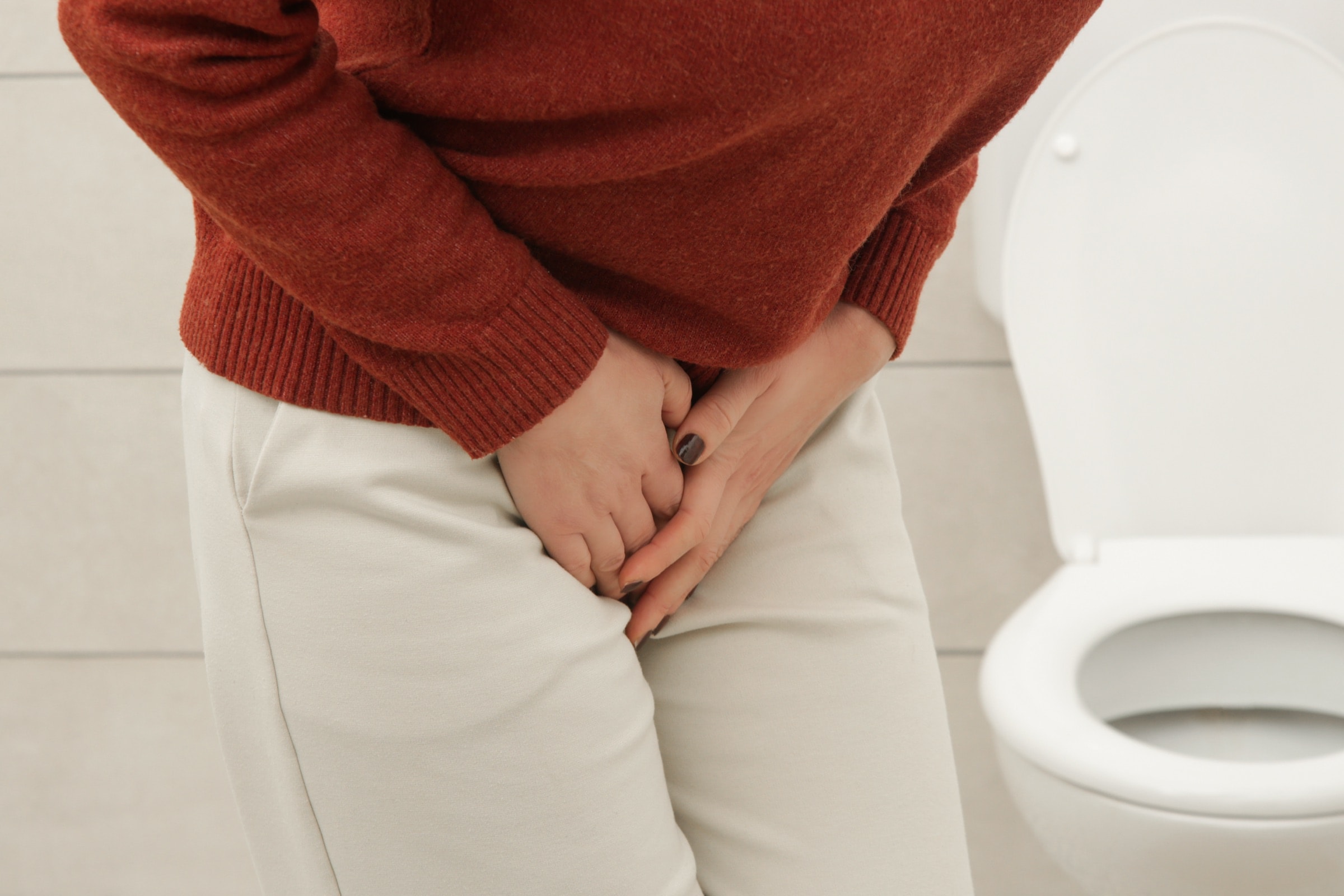
Women describe burning, stinging, irritation or rawness. The National Institute of Child Health and Human Development uses those same words. Some feel it all the time. Others feel it only with touch or pressure, such as inserting a tampon, wearing snug pants or sitting for a long time.
The exam is often confusing too. The skin can look normal and the swabs come back clear while the burning goes on.
Your gynecologist comes first
Vulvodynia is a diagnosis made after other causes are ruled out. The American College of Obstetricians and Gynecologists advises examining the vulva and vagina, testing for infection when needed, and considering a biopsy when another condition is possible. Skin conditions, infections and hormonal changes can all cause vulvar pain, and each has its own medical treatment.
So a gynecologist or vulvar specialist should look first. They manage any medical, topical or hormonal treatment.
See a doctor first if you have fever or chills with pelvic pain; unusual discharge, sores or lesions; bleeding after menopause, or bleeding heavy enough to soak a pad or tampon every hour; sudden, severe pelvic or abdominal pain; possible pregnancy with new pelvic pain; or new numbness in the saddle area or loss of bladder or bowel control. If you have any of these, contact your doctor or go to the nearest emergency department.
Where the nerves come in
The nerves that supply the vulva are branches of the pudendal nerve, and they run through the pelvic floor on the way there.
When pain goes on for months, nerves can become more reactive. Signals that should feel neutral, like the touch of fabric, start to register as burning. This may help explain why burning can go on after an infection has cleared. The tissue can heal while the nerves stay on alert.
Where the muscles come in
The pelvic floor is a bowl of muscles at the base of the pelvis, and it reacts to pain by tightening. That is a protective reflex. When it stays tight for months, the muscles can press on the nerve branches that pass through them, and trigger points in the pelvic floor and inner thighs can refer burning to the vulva and the vestibule, the area at the vaginal opening.
The American College of Obstetricians and Gynecologists lists pelvic muscle overactivity among the factors associated with vulvodynia, and it advises that women with vulvodynia be assessed for pelvic floor dysfunction. It also notes that physical therapy, including pelvic floor physical therapy, can be used to treat both localized and generalized vulvar pain.
Clues that the muscles are part of your pain:
- The burning builds the longer you sit.
- You notice tightness, pressure or spasm in the pelvis.
- You also have bladder urgency or frequency with clear urine tests.
- Pressing on the inner thigh or around the sit bones brings on a familiar burn.
Pain with intercourse is a common part of vulvodynia too, and I cover that side in Pain During Sex: Why the Pelvic Floor Is Often Part of the Story.
What I check, and how I treat it
The first visit runs 60 to 75 minutes. I review your gynecologist's findings and past treatments. I gently map the hips, inner thighs, buttocks and perineum along the path of the pudendal nerve. The pelvic floor is examined from the outside, with no internal exam.
Dry needling releases the pelvic floor, inner thigh and hip muscles that press on the nerves to the vulva. The needles go in through the skin of the buttock, perineum or inner thigh, never through the vagina or rectum. Alongside dry needling, I use neuro-functional acupuncture, built on neuroscience and evidence-based practice. Unlike regular electroacupuncture, the needles and gentle electrical stimulation are mapped to the specific nerves involved, such as the pudendal and sacral nerves. It works in three ways. It neurorehabilitates, helping irritated tissues and nerve receptors recover. It neuromodulates, shifting the body's own pain-relieving chemistry. It neuroregulates, calming the nerve signals and circuits that keep burning and touch sensitivity going. Most people need eight to twelve sessions with reassessment, and the vulvar pain page covers the full plan. Results vary from person to person.
If you are not sure what is causing your pain, try the My Symptoms tool.
Questions people ask
Is vulvodynia common?
Fairly common. In a large survey of women aged 18 to 40 in two regions of the United States, 7 to 8 percent reported vulvar pain consistent with vulvodynia by age 40. Many never sought treatment, and more than half of those who did received no diagnosis.
What is the cotton swab test?
It is a simple test your gynecologist may use. A cotton swab gently touches different areas of the vulva, and you rate the pain at each spot. It maps where the pain is and helps tell whether it is localized or generalized.
Can the pain be in just one spot?
Yes. Vulvodynia can be generalized, felt across the whole vulva, or localized to one area. When it is felt at the entrance to the vagina and brought on by touch or pressure, it is called provoked vestibulodynia.
References
- American College of Obstetricians and Gynecologists. Persistent vulvar pain. Committee Opinion No. 673. 2016, reaffirmed 2020.
- Harlow BL, et al. Prevalence of symptoms consistent with a diagnosis of vulvodynia: population-based estimates from 2 geographic regions. Am J Obstet Gynecol. 2014;210(1):40.e1-40.e8.
- Eunice Kennedy Shriver National Institute of Child Health and Human Development. About vulvodynia. nichd.nih.gov.