Endometriosis Pain After Surgery: Why It Can Continue
Pain can continue after endometriosis surgery even when the surgery went well. Years of pain can leave the pelvic floor and abdominal muscles guarding, the nerves more sensitive, and new scar tissue where the surgeon worked, and none of these is removed with the lesions. Sometimes endometriosis remains or comes back, so your surgeon or gynecologist should always check first.
Learn moreHow Dr. Gordon treats endometriosis painOngoing pain after surgery is not unusual
Many women expect surgery to be the end of the pain. For some it is. For others the pain eases for a while and then creeps back, or never fully leaves.
The National Institute of Child Health and Human Development (NICHD) puts it plainly: with surgery, most women have pain relief in the short term, but pain often returns. A 2017 research review describes pelvic pain in endometriosis as frequently refractory to hormonal and surgical treatment, meaning it often does not fully respond.
That does not mean the surgery failed. It can mean the lesions were not the only thing causing pain.
Your surgeon looks first
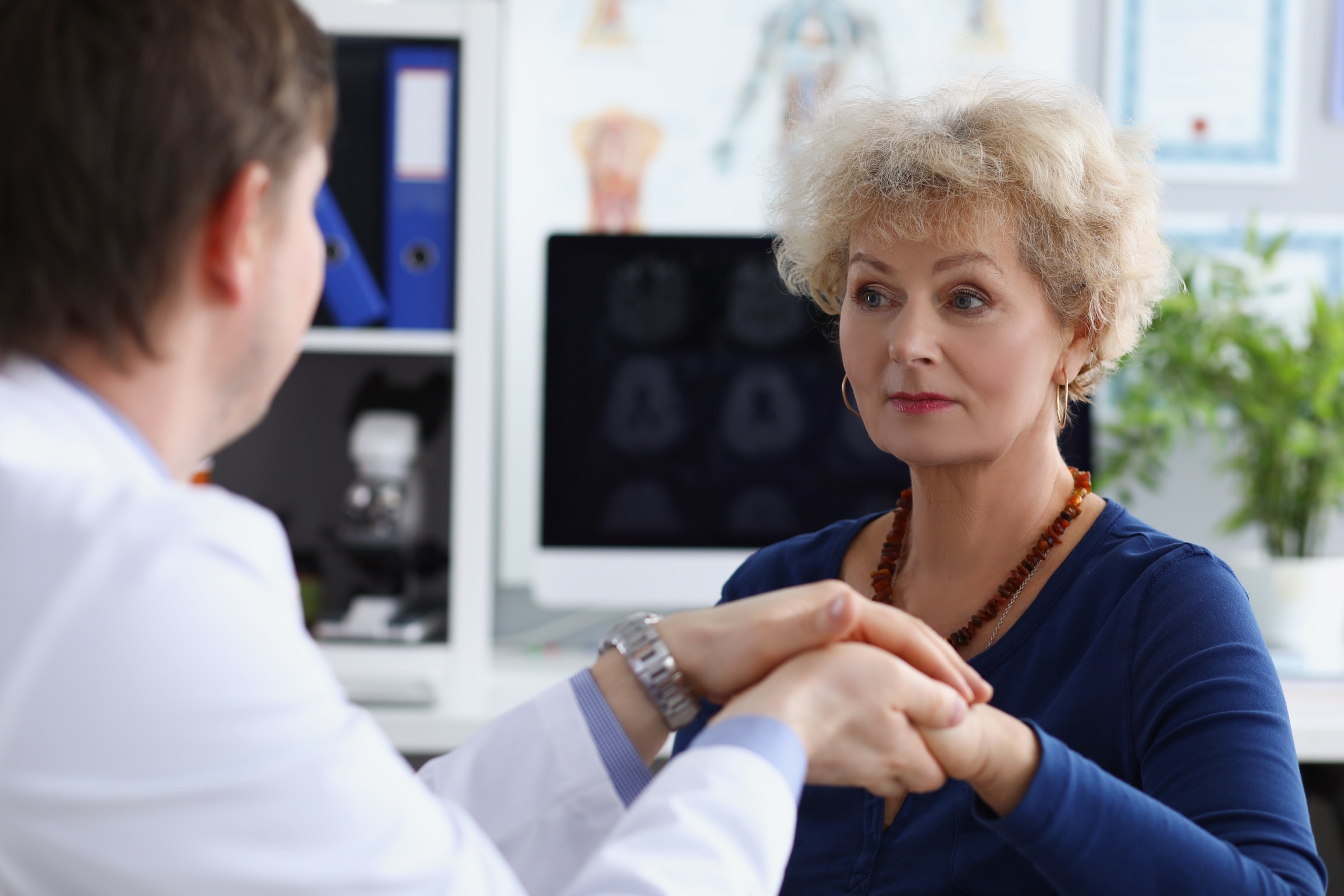
Ongoing pain can mean endometriosis is still there or has returned. It can also be a problem from the surgery itself. Your surgeon or gynecologist should evaluate it and decide on hormones, medications or further surgery. They lead your care, and my work fits alongside theirs.
See a doctor first if you have fever or chills after surgery; redness, swelling or drainage at an incision; heavy vaginal bleeding; sudden, severe abdominal or pelvic pain; inability to urinate or pass stool; or new numbness in the saddle area or loss of bladder or bowel control. If you have any of these, contact your doctor or go to the nearest emergency department.
Three reasons pain can outlast the lesions
Muscles that learned to guard. When something in the pelvis hurts month after month, the pelvic floor and abdominal wall tighten to protect it. Over the years they can stay tight and develop trigger points, tender spots that send pain elsewhere. The 2017 review notes that trigger points that develop because of the disease could keep pain going despite the lesions being removed. Trigger points in the abdominal wall can refer pain into the pelvis, so they can feel deep, like endometriosis.
Nerves that stay on alert. Long-standing pain can change how the nervous system handles signals, so it amplifies them. This is called central sensitization. The same review describes it as a process that can keep pain going on its own, apart from the original cause. The NICHD also notes that women with minimal endometriosis may have changes in pain perception that persist after the lesions are removed.
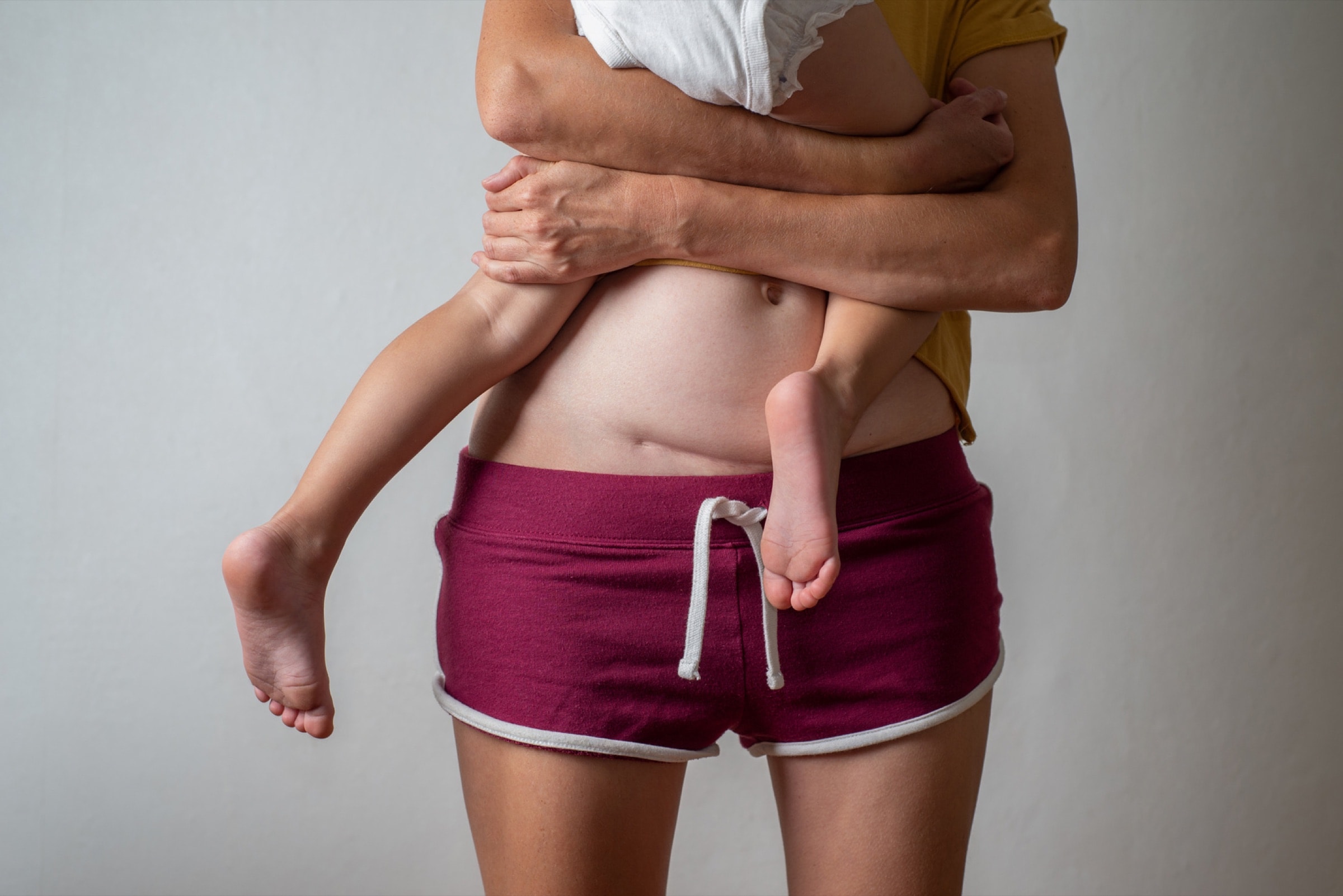
Scar tissue. Both the disease and the surgery can leave scar tissue that limits how the pelvic organs and muscles move. Incision and port sites can stay tender. Your surgeon judges what is happening inside the abdomen. What I can examine is how the muscles and scars on the outside behave.
Clues the muscles and nerves are involved
Only your surgeon can judge whether endometriosis has returned.
- Pressing on a spot in the abdominal wall brings on your familiar deep pain.
- You feel clenching, pressure or spasm in the pelvis.
- Sitting or bowel movements bring on the pain.
- Light touch on the skin of the belly feels sore, or the pain seems to spread.
What I check, and how I treat it
The first visit runs 60 to 75 minutes. I review your records from your gynecologist and surgeon. I gently assess the abdominal wall, surgical scars, hips and low back for trigger points and restrictions. The pelvic floor is examined from the outside, with no internal exam. Care usually starts six to eight weeks after surgery, once your surgeon has cleared you.
Dry needling releases the pelvic floor, abdominal wall and hip muscles that guard around the pain. The needles go in through the skin of the buttock, perineum or inner thigh, never through the vagina or rectum. Alongside dry needling, I use neuro-functional acupuncture, built on neuroscience and evidence-based practice. Unlike regular electroacupuncture, the needles and gentle electrical stimulation are mapped to the specific nerves involved, such as the sacral and lumbar nerves. It works in three ways. It neurorehabilitates, helping irritated tissues and nerve receptors recover. It neuromodulates, shifting the body's own pain-relieving chemistry. It neuroregulates, calming the nerve signals and circuits that keep pelvic pain going. Most people need eight to twelve sessions, and the endometriosis post-op pain page covers the full plan. Results vary from person to person.
If you are not sure what is causing your pain, try the My Symptoms tool.
Questions people ask
Can a small port scar cause this much pain?
It can be part of it. Scar tissue can stay tender, and the abdominal wall muscles around it can tighten and form trigger points that refer pain into the pelvis. Redness, swelling or drainage at any incision needs your surgeon right away.
Can hormone treatment after surgery help?
It can be. The NICHD notes that hormone therapy is sometimes used after surgery, and that current evidence supports a progestin IUD after surgery to reduce pain. Your gynecologist can tell you whether that fits your situation.
Should I keep a pain diary?
Yes, it helps. Note where the pain is, how strong it is, where you are in your cycle and what brings it on. That record helps your surgeon judge whether the disease may be back, and helps me see which muscles and nerves are involved.
References
- Aredo JV, et al. Relating chronic pelvic pain and endometriosis to signs of sensitization and myofascial pain and dysfunction. Semin Reprod Med. 2017;35(1):88-97.
- Eunice Kennedy Shriver National Institute of Child Health and Human Development. What are the treatments for endometriosis? nichd.nih.gov.