Erectile Dysfunction and the Pelvic Floor: The Muscle Side of ED
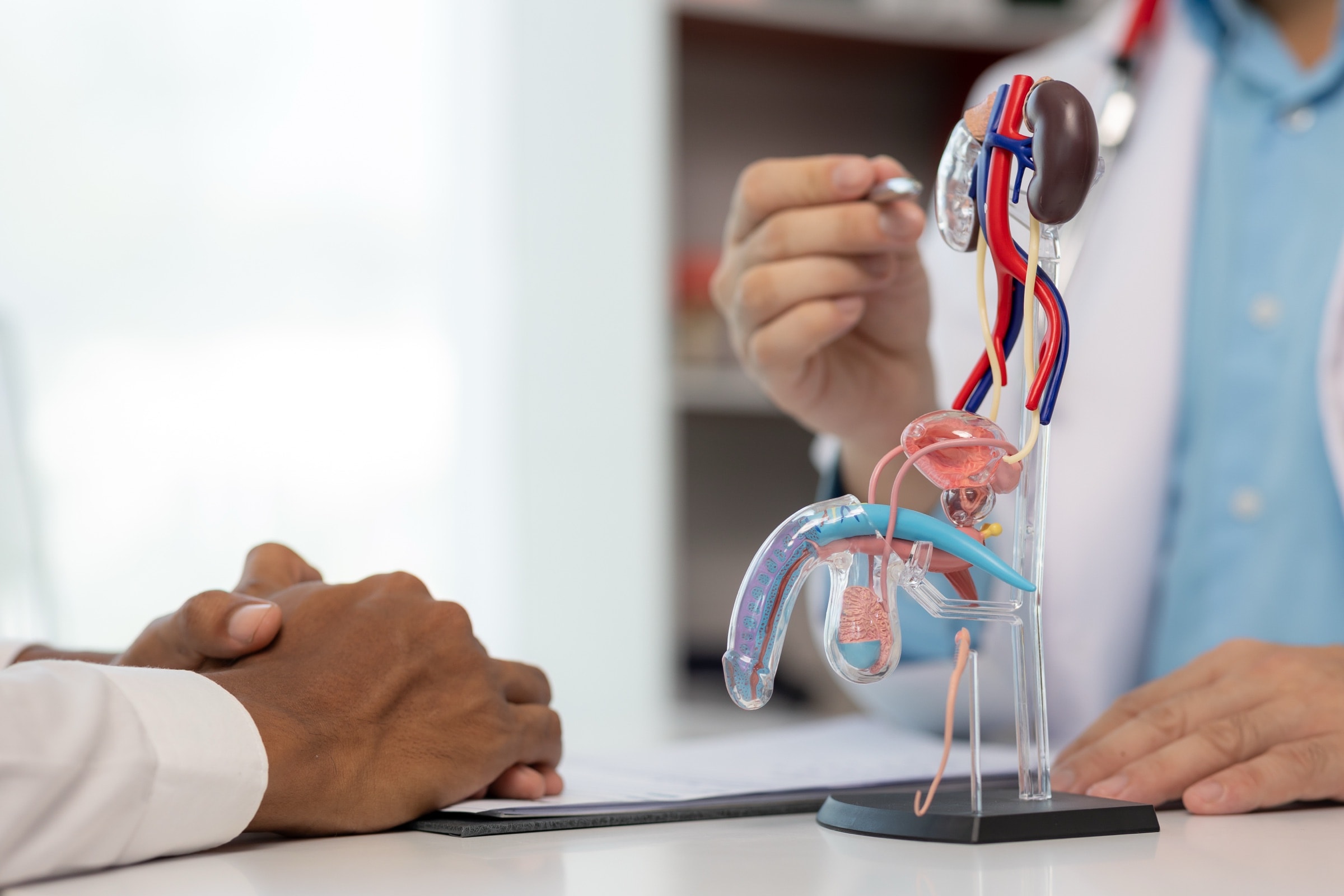
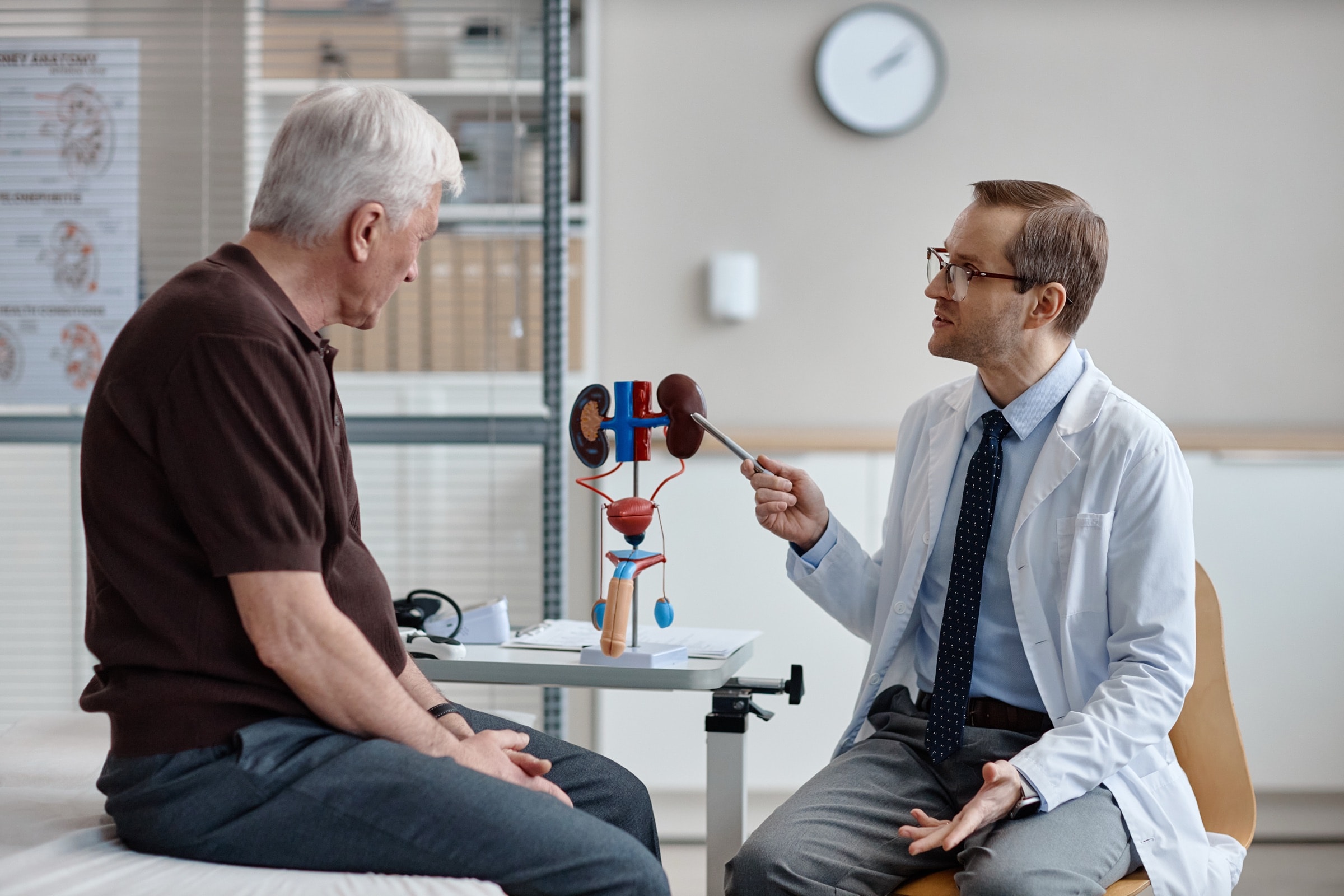
Erections depend mostly on healthy blood flow and nerves, but muscles play a part too. Two small pelvic floor muscles at the base of the penis help an erection reach and hold full firmness. When the pelvic floor is weak, or, in many of the men I see, tight and unable to relax, it can add to erection trouble. Because erectile dysfunction (ED) can also be an early warning sign of heart disease, the first stop is always your urologist or primary care doctor.
Learn moreHow Dr. Gordon treats erectile dysfunctionHow an erection works
An erection starts with nerve signals. They relax the smooth muscle in the blood vessels of the penis, so blood flows into its spongy chambers. As the chambers fill, they press against a tough outer sheath, which squeezes the veins so blood stays in.
Then the pelvic floor joins in. The ischiocavernosus and bulbospongiosus muscles sit at the base of the penis. When they contract, they raise the pressure inside the erectile chambers and add rigidity at the firmest stage of an erection. The bulbospongiosus also helps push semen out during ejaculation. The pudendal nerve carries sensation from the penis and controls these muscles.
Why your urologist comes first
The American Urological Association estimates that ED affects as many as 30 million men in the United States. It also notes that ED can be a warning sign of more serious conditions, such as cardiovascular disease, and may come before a cardiovascular event by up to five years.
The National Institutes of Health lists diseases that affect blood vessels, nerves or hormones among the causes of ED, along with nerve damage from pelvic surgery. Your urologist or primary care doctor checks your heart risk, blood sugar, hormones and medications. Muscle care works alongside that, never instead of it.
When the muscles are weak
If the base muscles cannot contract with enough strength, an erection may be harder to keep firm. There is some evidence for training here.
In one trial, 55 men who had ED for at least six months were randomly assigned to pelvic floor exercises taught by a physiotherapist, with biofeedback and lifestyle changes, or to lifestyle advice alone. At three months, the exercise group had significantly better erectile function. At six months, a blinded assessment found that 40 percent of the men had regained normal erectile function, 35.5 percent had improved and 24.5 percent had not. It was a small study, and results vary from person to person.
When the muscles are too tight
In the men I see, the more common problem is the opposite. The pelvic floor is overactive: tight, tender and unable to relax.
A muscle that never fully lets go can tire and have little left when a stronger squeeze is needed. Tight muscles can also irritate the pudendal nerve as it runs through the pelvis. Tight base muscles can even make erections painful, which I cover on the pain with erection page.
Clues that tension is part of the picture include an ache between the scrotum and anus, discomfort that builds with sitting, pain during or after ejaculation, and a slow stream. Kegel exercises can help a weak pelvic floor but can make a tight one worse, so the pelvic floor needs to be examined first.
Where my care fits
The first visit runs 60 to 75 minutes. I examine the pelvic floor from the outside, with no internal exam. With you draped for comfort, I check tone, tenderness and trigger points.
Dry needling releases an overactive pelvic floor and the muscles at the base of the penis. The needles go in through the skin of the buttock, perineum or inner thigh, never through the rectum. Alongside dry needling, I use neuro-functional acupuncture, built on neuroscience and evidence-based practice. Unlike regular electroacupuncture, the needles and gentle electrical stimulation are mapped to the specific nerves involved, such as the pudendal and sacral nerves. It works in three ways. It neurorehabilitates, helping irritated tissues and nerve receptors recover. It neuromodulates, shifting the body's own pain-relieving chemistry. It neuroregulates, calming the nerve signals and circuits that keep pelvic tension and erection trouble going. The erectile dysfunction page covers the full plan, and I coordinate with your urologist or pelvic floor physical therapist when that helps. Results vary from person to person.
See a doctor first if you have fever or chills with pelvic or urinary symptoms; inability to urinate; visible blood in the urine or semen; sudden, severe testicular pain or swelling; a new lump in the testicle; or new numbness in the saddle area or loss of bladder or bowel control. If you have any of these, contact your doctor or go to the nearest emergency department.
If you are not sure what is causing your pain, try the My Symptoms tool.
Questions people ask
Will blood tests show whether my pelvic floor is involved?
No. Blood tests look at things like hormones, blood sugar and cholesterol, and those matter. Muscle tone, tenderness and trigger points are found by a hands-on exam.
Can the muscles explain an erection that starts well but fades?
They can be one piece of it. The base muscles help keep the pressure high, and when they are weak, or tight and tired, firmness may fade. Blood vessel problems, medications and anxiety can do the same, so your urologist looks at those first.
Can stress and worry make ED worse?
They can. Stress and worry about performance can affect erections directly, and they tend to tighten the pelvic floor. Your doctor should still check for physical causes, and a counselor can be a helpful part of the team.
References
- American Urological Association. AUA Releases New Clinical Guideline for Diagnosis and Treatment of Erectile Dysfunction. auanet.org. May 8, 2018.
- National Institute of Diabetes and Digestive and Kidney Diseases. Symptoms and Causes of Erectile Dysfunction. niddk.nih.gov. Last reviewed October 2024.
- Panchatsharam PK, et al. Physiology, Erection. StatPearls. NCBI Bookshelf. Updated May 1, 2023.
- Dorey G, et al. Pelvic floor exercises for erectile dysfunction. BJU Int. 2005;96(4):595-597.