Hard Flaccid Syndrome: What It Is and Why the Pelvic Floor Matters
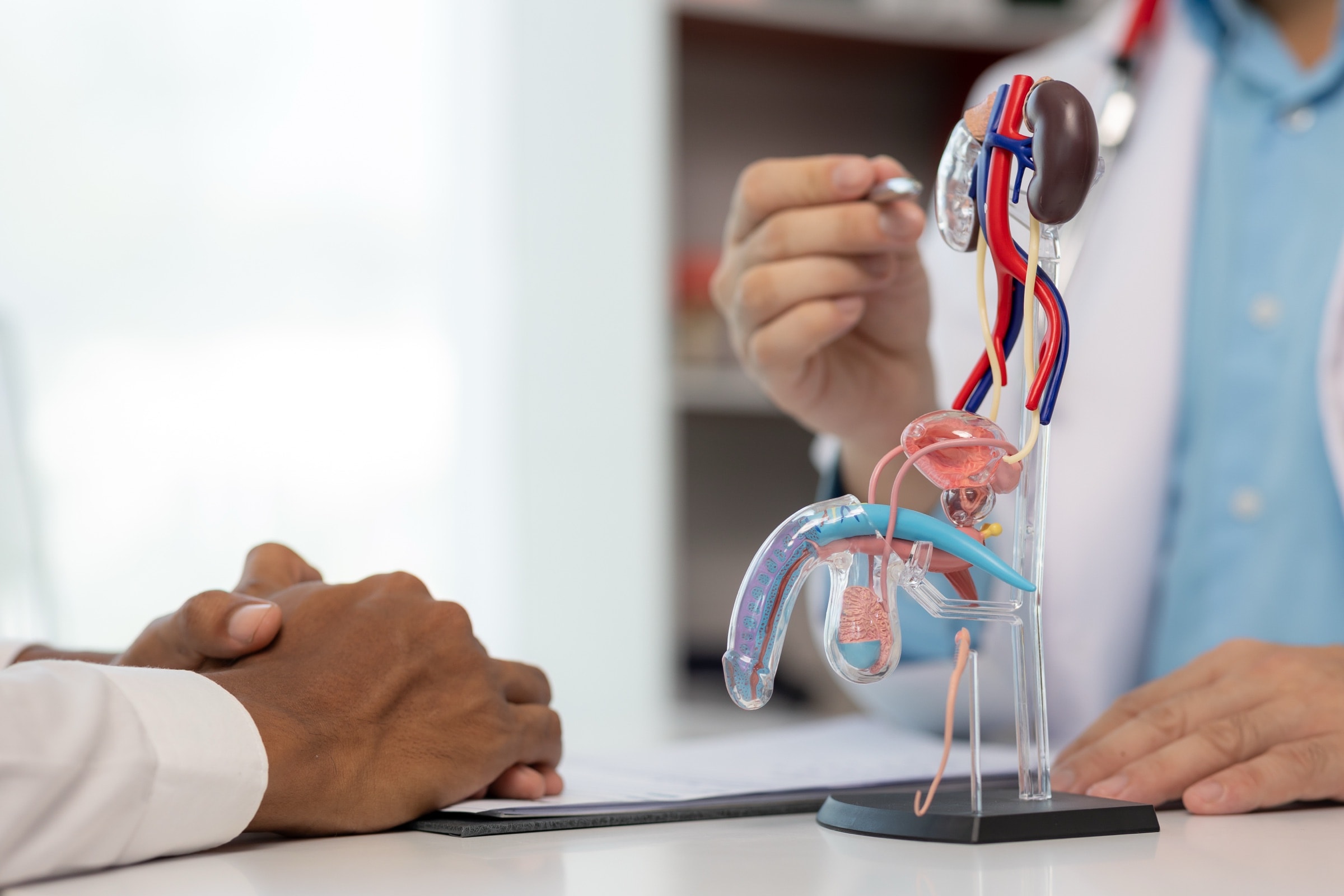
Hard flaccid syndrome is a name for a pattern some men describe: the penis stays semi-firm and shrunken when it should be soft, often with pain in the penis or perineum, changed sensation and weaker erections. It is not yet a formal medical diagnosis, and research is limited. The leading explanation is a pelvic floor that has become overactive and will not let go, often with irritated nerves.
Learn moreHow Dr. Gordon treats hard flaccid syndromeWhat men describe
Many men first come across the name online. The International Society for Sexual Medicine describes it as chronic pain in the penis and perineum, with a penis that feels semi-rigid even when flaccid.
Other symptoms men report include pain that is worse when standing, fewer morning erections, numbness or a "hollow" feeling, needing more stimulation to get an erection, and pain with ejaculation or urination. Many men also feel anxious or low, and symptoms can worsen under stress. Some men trace the start to a forceful bend or strain of the erect penis during sex or masturbation.
What the research can and cannot tell us
The cause is not clear, there is no evidence-based definition yet, and no one knows how common it is. What has been published is small: case reports, studies of what men write on internet forums, surveys and reviews.
Doctors are still catching up, too. In a survey of 36 sexual medicine practitioners, nearly all of them urologists, 64 percent had seen patients with hard flaccid syndrome. Only 13 percent felt they were successful in managing it, and some doubted it was a real condition. Up to 43 percent said the physical exam was always normal.
So everything that follows, including my view, is a working explanation, not settled science.
The pelvic floor and nerve view
The bulbospongiosus and ischiocavernosus muscles wrap the base of the penis. They normally contract during erection and ejaculation, then relax.
One working idea is that after a strain, or during a period of stress, these muscles and the deeper pelvic floor stay partly contracted. A guarded pelvic floor may hold the penis in that in-between state and press on the nerves that pass through the area. The pudendal nerve carries sensation from the genitals and controls these muscles, so irritation there fits the numbness and changed sensation many men describe.
Stress matters in this picture. Many people brace the pelvic floor without knowing it when they are anxious, and worry about the symptoms adds more tension.
The pattern overlaps with chronic pelvic pain syndrome, where pelvic pain lasts for months and routine tests come back normal.
Why a urologist comes first
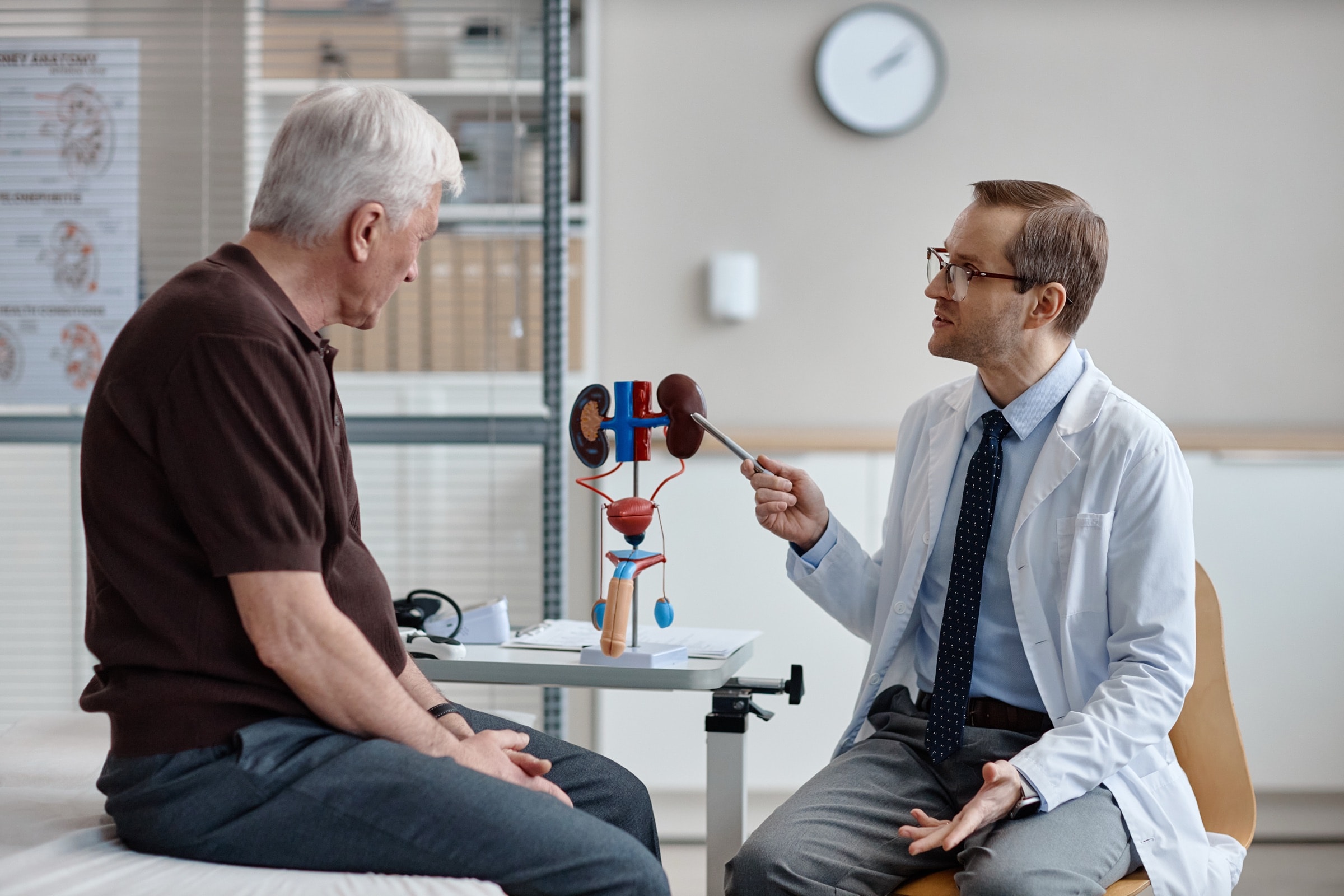
Start with a urologist, ideally one with experience in sexual medicine. Your urologist should rule out other causes, such as Peyronie's disease, blood vessel problems or hormone issues. Approaches described so far include pain medicines, pelvic floor physical therapy, biofeedback and stress reduction, with counseling for anxiety or low mood. Muscle care works alongside your doctors, never in place of them.
Where my care fits
The first visit runs 60 to 75 minutes. I examine the pelvic floor from the outside, with no internal exam, and map the hips, breathing and bracing patterns.
Dry needling targets the muscles at the base of the penis and the deeper pelvic floor, plus the hip and inner thigh muscles. The needles go in through the skin of the buttock, perineum or inner thigh, never through the rectum. Alongside dry needling, I use neuro-functional acupuncture, built on neuroscience and evidence-based practice. Unlike regular electroacupuncture, the needles and gentle electrical stimulation are mapped to the specific nerves involved, such as the pudendal and sacral nerves. It works in three ways. It neurorehabilitates, helping irritated tissues and nerve receptors recover. It neuromodulates, shifting the body's own pain-relieving chemistry. It neuroregulates, calming the nerve signals and circuits that keep these symptoms going. The hard flaccid syndrome page covers the full plan. Given how little research exists, no one can promise a result, and results vary from person to person.
See a doctor first if you have fever or chills with pelvic or urinary symptoms; inability to urinate; visible blood in the urine or semen; sudden, severe testicular pain or swelling; a new lump in the testicle; or new numbness in the saddle area or loss of bladder or bowel control. If you have any of these, contact your doctor or go to the nearest emergency department.
If you are not sure what is causing your pain, try the My Symptoms tool.
Questions people ask
Why do my symptoms feel worse when I stand?
Many men notice this. One explanation is that the pelvic floor helps hold up the pelvic organs whenever you are upright, so a muscle that is already guarded has more work to do. Note when it changes and share that with your urologist.
Does stress make hard flaccid syndrome worse?
It often does. Stress tends to tighten the pelvic floor, and worry about the symptoms adds more tension. Breathing work and counseling can be useful parts of the plan, alongside your medical care.
Should I trust what I read on forums?
Forums helped many men put a name to this, and researchers have studied those posts. But stories vary widely, and much of the advice is untested. Bring your notes to your urologist, and be wary of anyone who promises a cure.
References
- Baxter R. What is hard flaccid syndrome? International Society for Sexual Medicine. issm.info. September 13, 2021.
- Gryzinski G, et al. Hard-Flaccid syndrome: a survey of sexual medicine practitioners’ knowledge and experience. Int J Impot Res. 2025. doi:10.1038/s41443-024-00917-3.
- Panchatsharam PK, et al. Physiology, Erection. StatPearls. NCBI Bookshelf. Updated May 1, 2023.