How Pudendal Neuralgia Is Diagnosed, and Why It Takes So Long
Pudendal neuralgia is diagnosed mainly from your pattern of symptoms and a careful exam, because no scan or blood test can confirm it on its own. Specialists use a checklist called the Nantes criteria, and a numbing injection near the nerve can support the diagnosis. That is a big part of why it takes so long, and why each normal test can feel like a dead end.
Learn moreHow Dr. Gordon treats pudendal neuralgiaWhat the pain is like
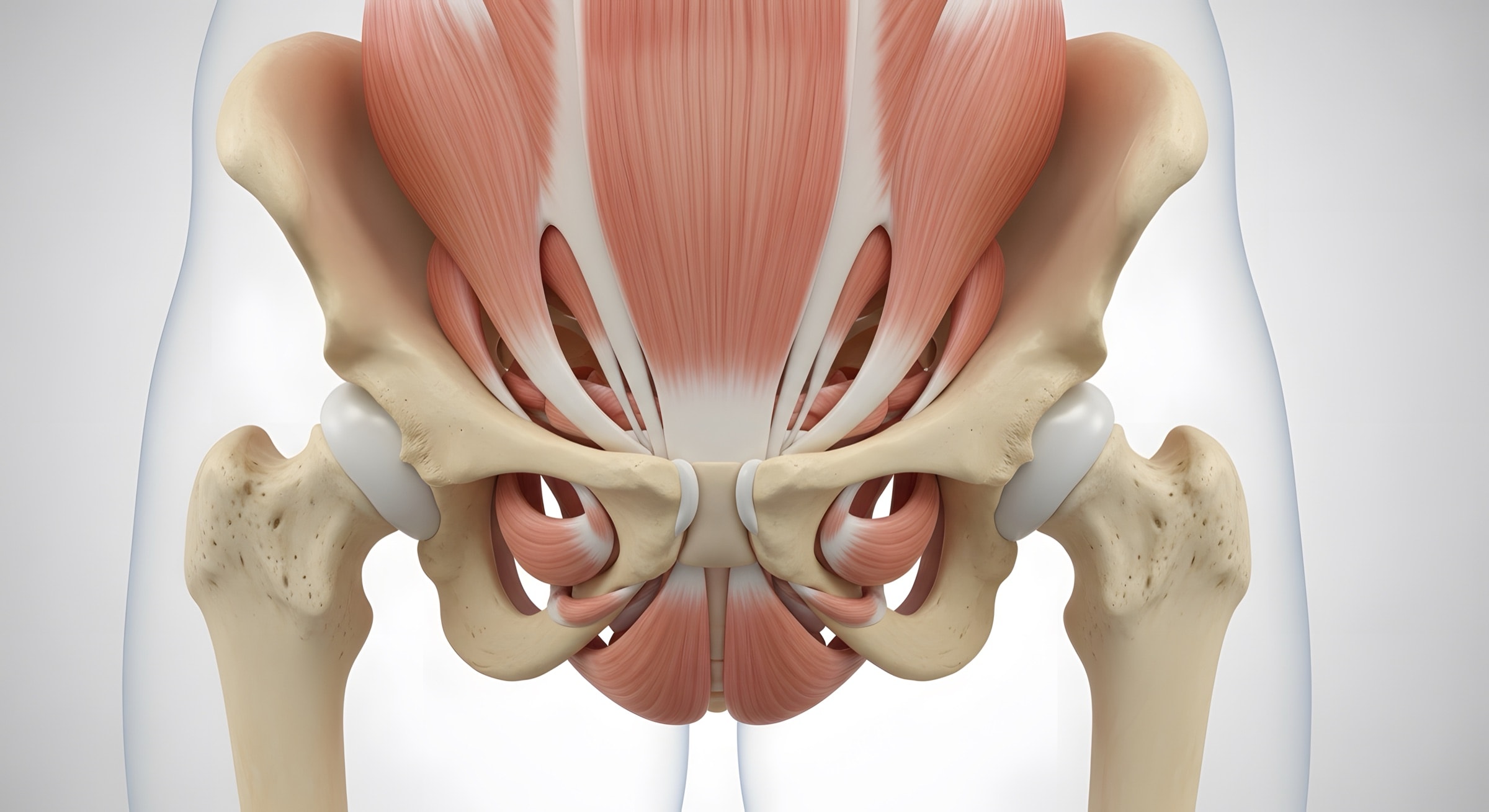
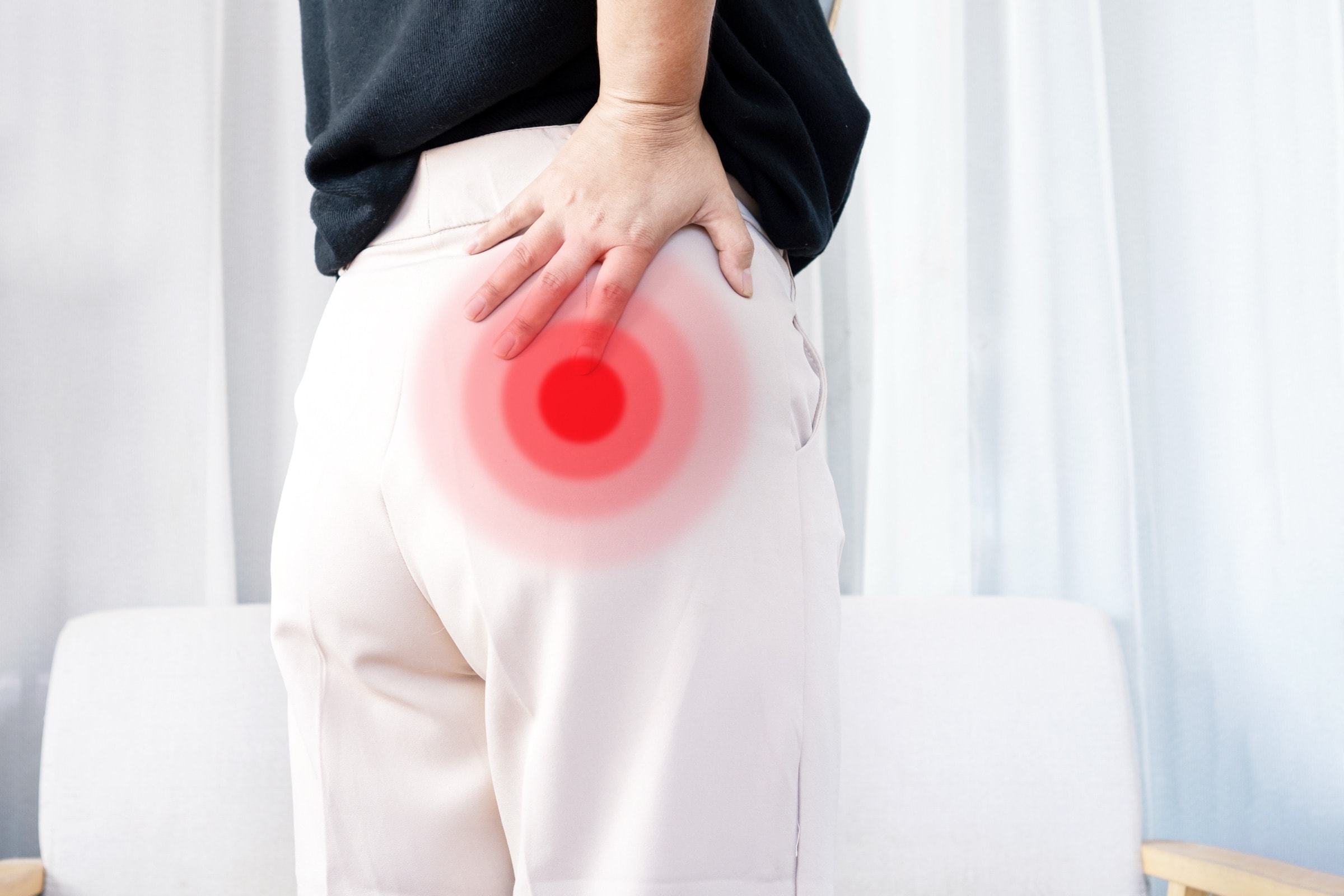
The pudendal nerve serves the region from the anus to the penis or clitoris, including the perineum in between. When it is irritated, people describe burning, shooting or stabbing pain, or numbness. Some feel as if there is something lodged in the rectum or vagina. It is often worse on one side and tends to build as the day goes on.
The Nantes criteria
In 2008, a group of French specialists published diagnostic criteria for pudendal neuralgia caused by entrapment of the nerve. They are known as the Nantes criteria. All five essential criteria should be present:
- Pain in the area the pudendal nerve serves, from the anus to the penis or clitoris.
- Pain felt mainly while sitting.
- Pain that does not wake you at night.
- No objective loss of sensation on a clinical exam.
- Pain relieved by a diagnostic pudendal nerve block.
The criteria also list supporting features, such as burning or stabbing pain, pain that worsens through the day, mostly one-sided pain, and pain triggered by a bowel movement. And they list findings that point elsewhere: pain only at the tailbone, buttock, pubic bone or lower belly, itching, pain that comes only in brief attacks, or imaging that explains the pain.
The paper describes the diagnosis as essentially clinical. There is no single confirming test. I wrote about the sitting part of the picture in Why Sitting Makes Pelvic and Buttock Pain Worse.
Why it takes so long
In my experience, a few things slow the diagnosis down.
The pain crosses specialties. Genital pain goes to a urologist or gynecologist. Rectal pain goes to a GI doctor or colorectal surgeon. Buttock pain goes to an orthopedist. Each checks their own area, often finds nothing wrong there, and the search moves on.
The usual tests are normal. A standard MRI is good at finding discs, masses and structural problems. It usually cannot show a nerve irritated by muscle tension or poor gliding.
It looks like other conditions. Pain in this region overlaps with chronic prostatitis, vulvodynia, bladder pain and hemorrhoids. Each of those deserves its own workup first.
It is hard to talk about. Many people put off describing pain in the genitals or rectum, even to their doctor.
The block needs a specialist. The fifth criterion, a nerve block, is done by a physician, often a pain specialist, which means another referral and another wait.
None of these steps are wasted. Ruling out other causes protects you. The search should not stop at "everything is normal."
Your physicians come first
Start with your primary care doctor. Depending on where the pain sits, a urologist, gynecologist or colorectal specialist should evaluate it, and a pain specialist can perform a diagnostic nerve block. My care works alongside theirs.
See a doctor first if you have fever or chills with pelvic or urinary symptoms; inability to urinate; visible blood in the urine or stool; sudden, severe testicular or pelvic pain; unexplained weight loss; or new numbness in the saddle area or loss of bladder or bowel control. If you have any of these, contact your doctor or go to the nearest emergency department.
Where my exam fits
The first visit runs 60 to 75 minutes. I review your records and history, trace the pudendal nerve along its path, and screen the spine, hips and sitting habits. The pelvic floor muscles are examined from the outside, with no internal exam. If your pain sits mainly between the legs, the perineal pain page covers other causes I look for.
Dry needling releases the pelvic floor and hip muscles that can irritate the nerve. Deep pelvic floor needling goes in through the skin of the buttock, perineum or inner thigh, never through the vagina or rectum. Alongside dry needling, I use neuro-functional acupuncture, built on neuroscience and evidence-based practice. Unlike regular electroacupuncture, the needles and gentle electrical stimulation are mapped to the specific nerves involved, such as the sacral and pudendal nerves. It works in three ways. It neurorehabilitates, helping irritated tissues and nerve receptors recover. It neuromodulates, shifting the body's own pain-relieving chemistry. It neuroregulates, calming the nerve signals and circuits that keep nerve pain going. Long-standing pudendal neuralgia usually needs a course of eight to twelve sessions, with reassessment along the way. Results vary from person to person.
If you are not sure what is causing your pain, try the My Symptoms tool.
Questions people ask
What kind of doctor diagnoses pudendal neuralgia?
There is no single specialty. Urologists, gynecologists, colorectal surgeons, neurologists and pain specialists all see it. Your primary care doctor can help you start with the one that fits where your pain is.
What is a diagnostic nerve block?
A physician injects numbing medicine near the pudendal nerve. If your usual pain eases while the medicine is working, that supports the nerve as the source. It is one of the five Nantes criteria.
What should I write down before my appointments?
Note where the pain is, what it feels like, what makes it worse, whether it wakes you at night, and how it changes through the day. Bring a list of tests and treatments so far. That record maps straight onto the questions doctors ask.
References
- Labat JJ, et al. Diagnostic criteria for pudendal neuralgia by pudendal nerve entrapment (Nantes criteria). Neurourol Urodyn. 2008;27:306-310.