Shin Splints: Why They Keep Coming Back
Shin splints keep coming back when the return to running outpaces what the shinbone and the muscles along it can handle. Rest calms the pain, but rest alone does not make the leg stronger, so the same jump in training brings it right back. A slower build, attention to the calf muscles and a check for a stress fracture are what break the cycle.
Learn moreHow Dr. Gordon treats sports-related painWhat shin splints are
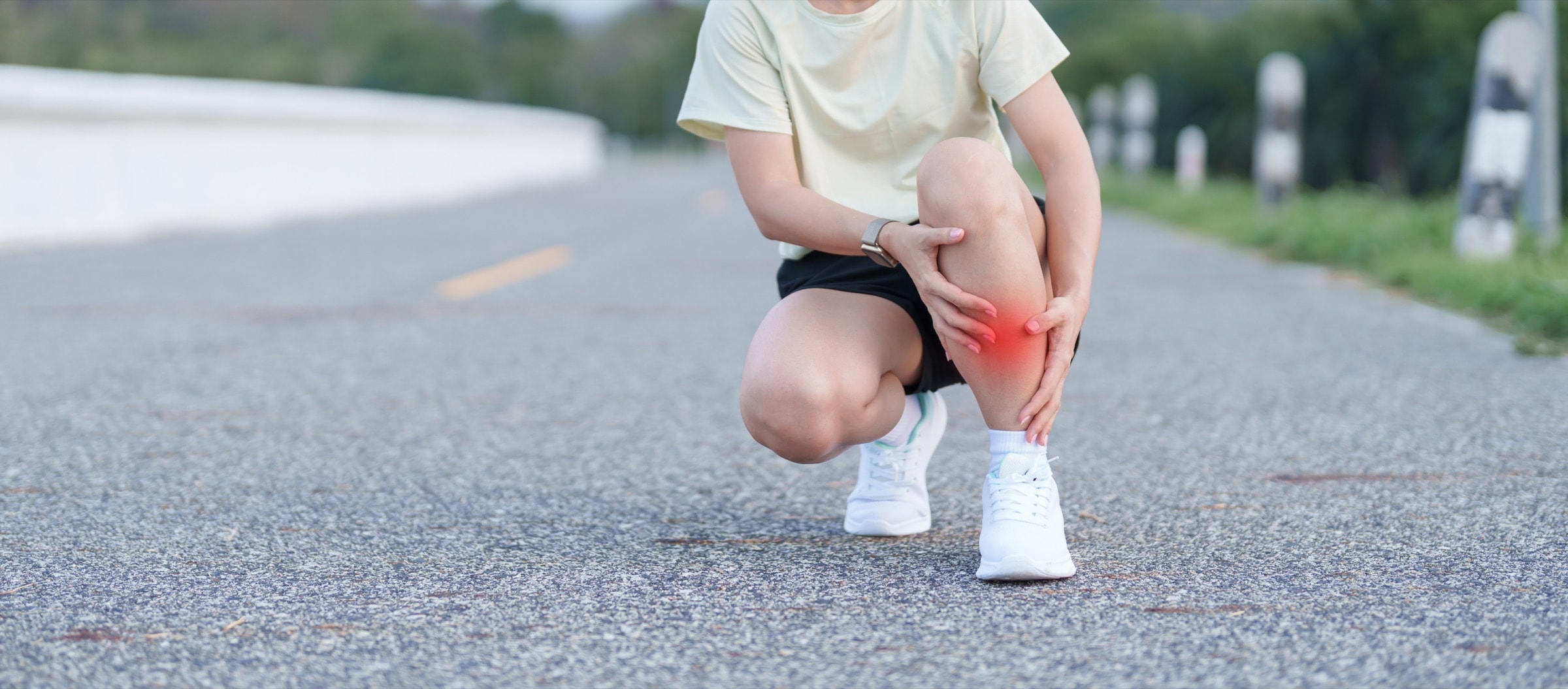
Shin splints, or medial tibial stress syndrome, is pain along the inner edge of the shinbone, the tibia. It develops when the muscles and the bone's outer lining are overworked by repetitive activity. It is one of the most common causes of exercise-related leg pain in athletes and is seen most often in runners.
The pain can be sharp or dull and throbbing. It usually spreads along a stretch of the lower inner shin rather than one pinpoint spot, and it can hurt both during and after a run. Mild swelling is possible.
Why they keep coming back
The return is faster than the recovery. The American Academy of Orthopaedic Surgeons advises being pain-free for at least two weeks before returning to exercise, then building slowly. Many runners go back the day the pain fades, at their old mileage.
The training jump that started it never changed. Shin splints often follow sudden changes: more days a week, longer runs, or hills after only flat ground. If the training plan stays the same, the pain tends to return.
The calf muscles are still tired or weak. The soleus and tibialis posterior attach along the inner edge of the tibia, and that ridge is often tender. When muscles fatigue, they absorb less shock and pass more of the load to the bone. Calf strength and endurance help share that load.
Foot mechanics and shoes. Flat feet, rigid arches and worn-out shoes are listed as contributing factors. Excessive rolling in of the foot is one of the best documented risk factors.
Earlier injuries. People who have had previous lower leg injuries are more prone to overuse injuries, shin splints included.
Shin splints or a stress fracture?
Shin splints and tibial stress fractures sit on a continuum of bone stress, so the line between them is not always sharp. Shin splints tends to cause diffuse pain along the middle and lower shin. A stress fracture more often causes tenderness in one spot.
Warning signs of a bone stress injury include discomfort in a specific spot along the bone, aching while lying in bed at night, and swelling. The American Academy of Orthopaedic Surgeons advises seeing your doctor as soon as possible if you think you have one. Imaging such as an MRI or bone scan can show a stress fracture.
There is one more look-alike. In chronic exertional compartment syndrome, pain builds during exercise and usually goes away soon after you stop, and it is diagnosed with pressure testing.
Your primary care doctor, a sports medicine physician or an orthopedist should evaluate shin pain first, especially if it narrows to one spot, hurts at night or does not settle with rest.
See a doctor first if you have pain at one specific spot on the bone or aching at night; inability to bear weight or use the leg after an injury; visible deformity after a fall or injury; sudden swelling after a pop or twist; calf pain and swelling, which can signal a blood clot; or numbness, coldness or color change in the foot. If you have any of these, contact your doctor or go to the nearest emergency department.
Where my care fits
Rest is the best supported treatment in the early phase, and good trials of other treatments for shin splints are scarce. So my role is to support a gradual return, not replace it.
The first visit runs 60 to 75 minutes. I review your training, shoes and any imaging, test the movements running demands, and assess the calf, shin and foot muscles by hand, along with balance and walking. Dry needling releases trigger points in overloaded calf and shin muscles. Alongside dry needling, I use neuro-functional acupuncture, built on neuroscience and evidence-based practice. Unlike regular electroacupuncture, the needles and gentle electrical stimulation are mapped to the specific nerves involved, such as the nerves of the lower leg. It works in three ways. It neurorehabilitates, helping irritated tissues and nerve receptors recover. It neuromodulates, shifting the body's own pain-relieving chemistry. It neuroregulates, calming the nerve signals and circuits that keep shin pain going. I coordinate load with your physician, physical therapist or coach. The sports-related pain page covers the full plan, and the ankle pain page covers the calf and lower leg muscles. Results vary from person to person.
If you are not sure what is causing your pain, try the My Symptoms tool.
Questions people ask
Will new running shoes fix my shin splints?
Worn-out or poorly fitting shoes can contribute, so replacing them is reasonable. Shoes alone do not change how quickly your training built up, which is usually the bigger factor. Well-cushioned shoes during the day can also ease stress on your shins.
How long should I wait before running again?
The American Academy of Orthopaedic Surgeons suggests being pain-free for at least two weeks first, then increasing slowly. In the meantime, swimming and cycling are lower impact ways to keep your fitness while the leg settles.
Can shin splints turn into a stress fracture?
They sit on the same continuum of bone stress, so pain that keeps building, narrows to one spot or aches at night needs a doctor's check. Imaging can tell the two apart when the exam is not clear.
References
- American Academy of Orthopaedic Surgeons. Shin splints. OrthoInfo. https://www.orthoinfo.org/en/diseases--conditions/shin-splints/
- American Academy of Orthopaedic Surgeons. Stress fractures. OrthoInfo. https://www.orthoinfo.org/en/diseases--conditions/stress-fractures/
- Galbraith RM, et al. Medial tibial stress syndrome: conservative treatment options. Curr Rev Musculoskelet Med. 2009;2(3):127-133.