
Pain Symptom
Sports-Related Pain
By Dr. Anthony J. Gordon, Doctor of Acupuncture | Last reviewed September 2026
Something has been nagging you for weeks. It warms up during training, then hurts afterward, or it has started limiting your runs, lifts, swings or games. Rest helps a little, but it comes back when you ramp up again. Most sports pain comes from overloaded muscles and tendons, and dry needling is one of the fastest ways to get them working properly again.
Prefer to talk it through? Call (516) 597-5400. Most new patients are seen within one to two weeks.
Overview
Understanding Sports-Related Pain
Sports-related pain includes overuse injuries such as tendon irritation, muscle strains and trigger points, and the aftermath of acute injuries such as sprains. Runners, lifters, golfers, tennis players, CrossFit athletes, cyclists and weekend warriors all develop patterns specific to their sport.
Most nagging sports pain comes from muscles and tendons that are overloaded, tight or holding trigger points, often because another area is weak or stiff. A tight calf can overload the Achilles. Weak hips can overload the knee. A stiff upper back can overload the shoulder. Treating only the painful spot without addressing why it is overloaded leads to recurring injuries.
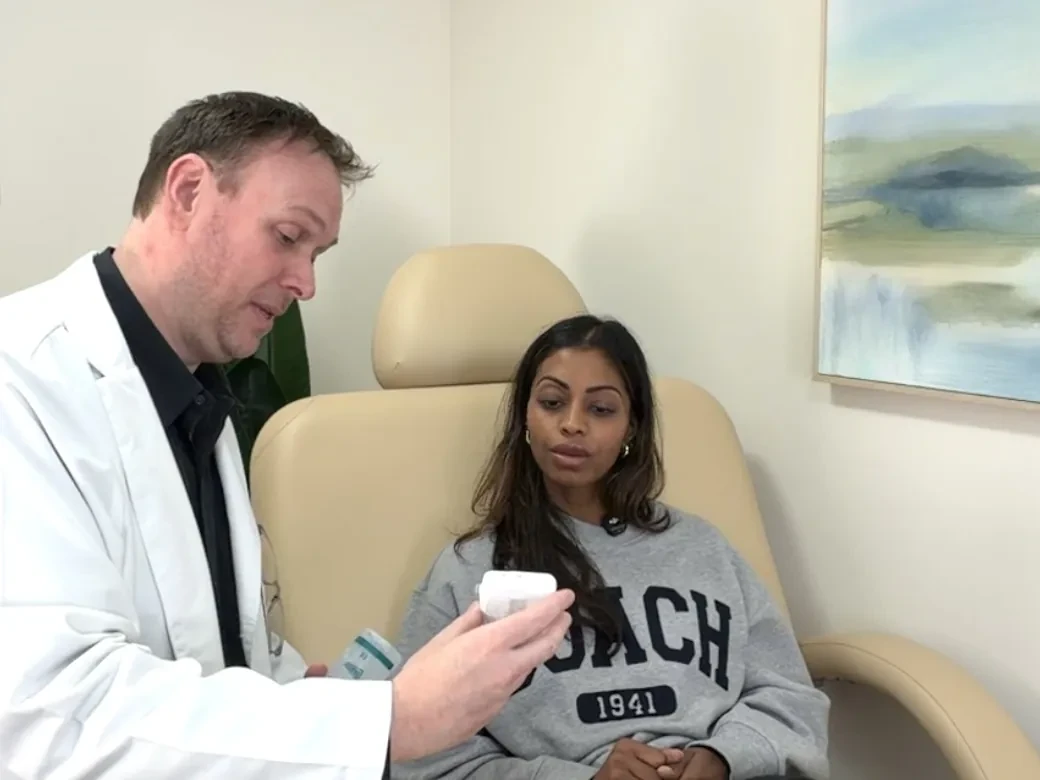
Dry needling is widely used in sports medicine to release trigger points and restore muscle function. Dr. Gordon treats the painful area and the contributing areas, and coordinates with your coach, trainer or physical therapist.
Sports-Related Pain at a Glance
Also called
Sports injuries, athletic pain, overuse injuries
Who it affects
Runners, lifters, golfers, tennis players, cyclists, team sport athletes, weekend warriors
Common patterns
Tendon irritation, trigger points, strains, recurring tightness
Key idea
Painful areas are often overloaded because of weakness or stiffness elsewhere
Why dry needling
Directly releases trigger points and restores muscle function
The Gap in Care
What Tests Check, and What They Can Miss
Sports pain is often treated with rest alone. Without addressing overloaded muscles and the reason they are overloaded, pain returns when training resumes.
What routine testing is looking for
- Fractures and stress fractures
- Complete tendon or ligament tears
- Joint damage on imaging
- Medical causes of pain
What often keeps symptoms going
- Trigger points in overloaded muscles
- Tendon irritation from training load
- Weakness or stiffness in related areas
- Training volume spikes
- Technique and equipment factors
These are found by examining the painful area and the chain of muscles that feeds it.
Signs & Symptoms
Does This Sound Like You?
Symptoms vary from person to person. These are the patterns Dr. Gordon sees most often.
Pain that warms up, then returns
Pain easing during training but returning afterward.
Tightness that will not release
Muscles that stay tight despite stretching and rolling.
Tendon pain
Pain at a tendon, such as the Achilles, knee or elbow.
Reduced performance
Loss of power, speed or range.
Recurring injuries
The same injury returning with each training block.
Pain after a sprain or strain
Lingering pain after an acute injury.
Root Causes
The Four Drivers Dr. Gordon Looks For
Most people have more than one of these in play. Finding which one leads makes treatment more efficient.
Overloaded muscles
Muscles develop trigger points from repeated training load.
Tendon irritation
Tendons become irritated when load increases faster than they adapt.
Weak or stiff links
Weakness or stiffness elsewhere forces the painful area to overwork.
Training errors
Volume spikes, technique changes and equipment affect load.
Your First Visit
How Dr. Gordon Evaluates Sports-Related Pain
The initial evaluation runs 60 to 75 minutes. You leave with a clear picture of what is driving your symptoms, a written plan, a realistic timeline, and in most cases your first treatment.
- 1
Records and history review
Dr. Gordon reviews your sport, training schedule, injury history and any imaging.
- 2
Sport-specific movement testing
Dr. Gordon tests the movements your sport demands.
- 3
Muscle and tendon assessment
Hands-on assessment of the painful area and the chain feeding it.
- 4
Strength and mobility screen
Dr. Gordon looks for weak or stiff links.
- 5
Plan and coordination
A clear plan, plus communication with your physician, orthopedist or physical therapist when that helps your care.
When to see a physician first
- A joint that is hot, red and swollen, especially with fever
- Inability to bear weight or use the limb after an injury
- Visible deformity after a fall or injury
- Sudden swelling after a pop or twist
- Calf pain and swelling, which can signal a blood clot
- Numbness, coldness or color change in the hand or foot
If you have any of these, contact your doctor or go to the nearest emergency department.
Bring to your first visit
Records
Recent lab results, imaging reports and specialist notes. These can also be faxed ahead.
Treatment history
A short list of what you have tried and what did or did not help.
Clothing
Something comfortable and loose fitting.
Treatment
How Dr. Gordon Treats It
These are the tools Dr. Gordon uses most often for sports-related pain, chosen from your exam findings.
Orthopedic Dry Needling
Dr. Gordon has used dry needling for more than 18 years. Treatment releases trigger points in overloaded muscles and the related chain, so you can return to training with better function.
See all servicesNeuro-Functional Acupuncture
Electro-acupuncture to calm pain and support recovery.
See all servicesTraining Plan & Team Coordination
Load management and return-to-training guidance, coordinated with your coach, trainer or physical therapist.
Referring provider? Contact the clinicWhat to Expect
A Typical Recovery Arc
Release and assess
Dr. Gordon releases the most overloaded muscles and identifies weak or stiff links.
Return to training
Training resumes with modified load as function improves.
Stay ahead of injuries
Many athletes use periodic visits during heavy training blocks.
Most patients are seen weekly or every other week during active care. Individual results vary with how long symptoms have been present and how reactive they are. Progress is reassessed at every visit.
Not sure how to describe it? Put your pain or discomfort into words before your visit
My son plays soccer and runs Track and he couldn't run at all without having a pain level of 10. I had already brought him to two orthopedics, a podiatrist, a chiropractor and gotten MRIs and X-rays and nobody could give us any answers. ... He is so beyond knowledgeable and within 1 treatment my son felt a ton of relief and after 3 treatments my son was back on the track and soccer field!Kim Gordon, Google Review
Sports-Related Pain Questions
Answers About Sports-Related Pain
Still unsure whether this is the right fit? Reach out before you book and Dr. Gordon will talk through your history with you.
Before You Book
General Questions

About Dr. Anthony J. Gordon
Dr. Anthony J. Gordon is a Doctor of Acupuncture licensed in New York and board certified. He holds ASE certification in intrapelvic and extrapelvic dry needling, along with advanced certifications in Functional Dry Needling and Neuro-Functional Acupuncture. With more than 18 years of clinical experience and over 3,000 complex cases treated, he focuses on pelvic, spinal and orthopedic conditions that have not responded to standard care, and works closely with each patient's physicians and physical therapists.
Read Dr. Gordon's full bioBook an Evaluation for Sports-Related Pain
Book an evaluation with Dr. Gordon and find what is behind the nagging pain slowing your training.
Early morning, evening and weekend appointments available. Free on-site parking.
Further Reading
Hamstring Strains in Runners: Why Running Through It Backfires
From the blog: Running through a hamstring strain often means a longer layoff and a repeat injury. What rehab should include, when it is a nerve, and where dry needling fits.
Shin Splints: Why They Keep Coming Back
From the blog: Shin splints often return when training builds faster than the shin and calf can adapt. Why that happens, how to spot a stress fracture, and what helps.
Keep Reading