Stress and the Pelvic Floor: Why You May Be Clenching Without Knowing
The pelvic floor is part of the body's stress response, so it tightens when you are under pressure, like your shoulders. Many people keep it tight for hours without noticing, in traffic, at a desk or lying in bed. Over time that constant holding can lead to aching, bladder and bowel changes and pain. The first step is learning to notice it.
Learn moreHow Dr. Gordon treats pelvic floor clenchingThe pelvic floor reacts to stress
The pelvic floor is a sling of muscles across the floor of the pelvis that holds the bladder, bowel and other pelvic organs in place. Like your neck and shoulder muscles, it reacts to threat.
One study measured this. When women watched threatening film clips, muscle activity rose in both the pelvic floor and the trapezius, across the top of the shoulders. It happened in women with and without vaginismus, and the authors called it part of a general defense reaction.
That reaction is normal. When stress is constant, the clenching can become constant too.
How a stress reaction becomes a habit
Clenching is a habit, not a disease, so it rarely shows up on tests. It often starts with stress or anxiety, and other things keep it going:
- Pain anywhere in the pelvis, which leads to protective guarding
- Exercise cues to keep the core engaged all the time
- Holding urine, stool or gas for long stretches
- Long hours sitting braced at a screen
After months of this, the muscles stay tight even at rest. Many people only realize they are clenching once someone points it out.
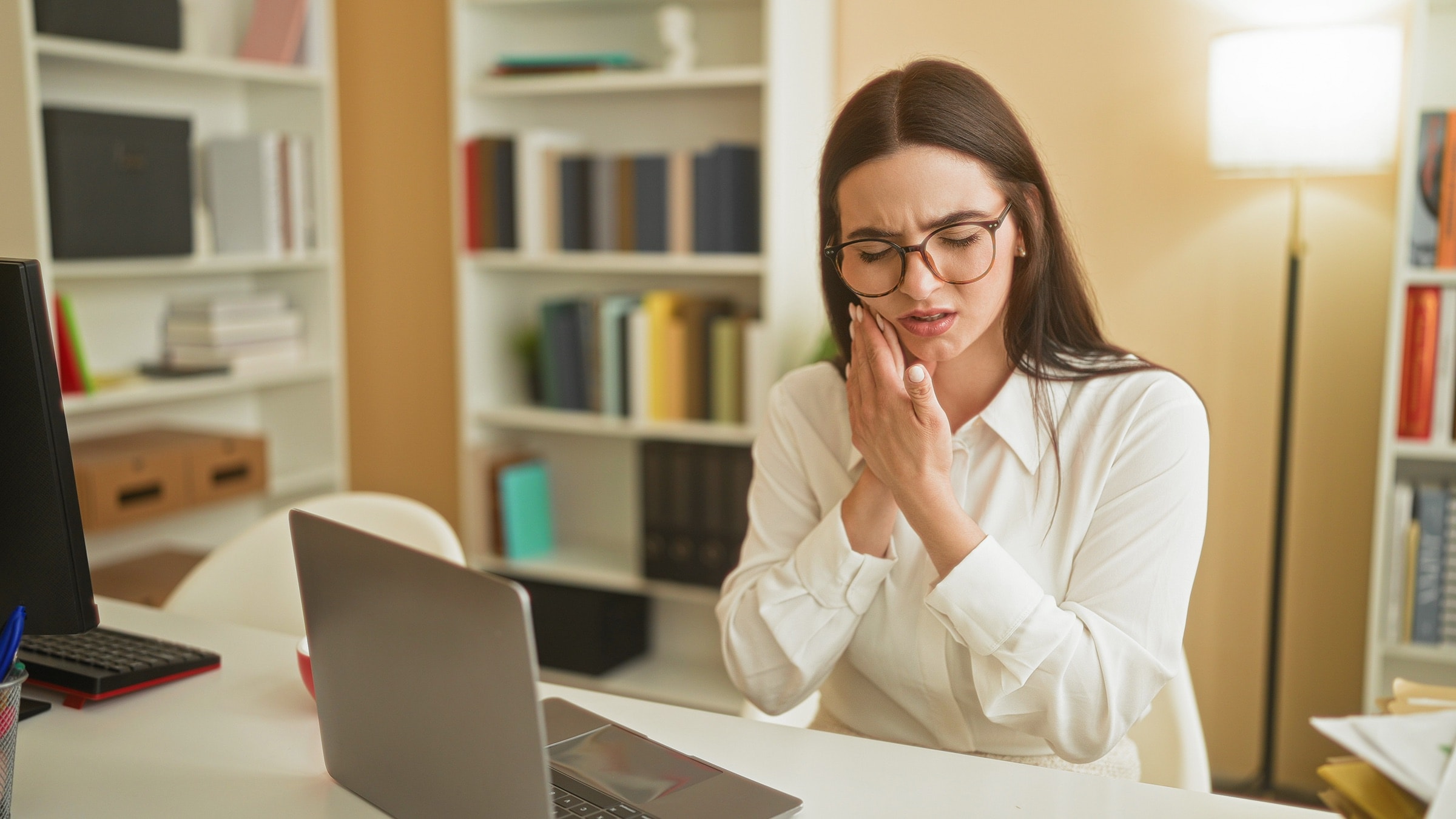
If you also clench your jaw under stress, my post on jaw clenching and TMJ pain covers that side.
The breath connection
The pelvic floor also works with your breathing. In one study, pelvic floor activity showed a breathing rhythm, mainly on the out-breath, and it also switched on just before the shoulder muscle fired when people moved an arm. The authors concluded that these muscles help with both posture and breathing.
Under stress, many people breathe high in the chest or hold their breath while they concentrate. Breath holding and bracing are habits that help set how tight the pelvic floor stays, which is why I look at breathing as part of the exam.
Everyday signs you may be clenching
These are signs, not a diagnosis:
- You catch yourself squeezing your buttocks or pelvis while standing in line or driving.
- When you try to relax down there, nothing changes, or it tightens again moments later.
- An ache in the pelvis, tailbone or hips builds as the day goes on.
- You have frequent urges to urinate, or it takes a while to get started.
- Sex, tampons or exams are uncomfortable.
A few times a day, pause and notice three things. Are your buttocks squeezed? Is your belly held in? Are you holding your breath? Then breathe in slowly, let the belly soften, and let the area between your sit bones relax.
When to get checked
If clenching comes with bladder, bowel or pelvic pain, see a physician first. Your primary care doctor, gynecologist or urologist can rule out infection and other medical causes. A therapist can help with stress and anxiety, and I am glad to coordinate with one.
See a doctor first if you have fever or chills with pelvic or urinary symptoms; inability to urinate; visible blood in the urine or stool; sudden, severe pelvic or abdominal pain; unexplained weight loss; or new numbness in the saddle area or loss of bladder or bowel control. If you have any of these, contact your doctor or go to the nearest emergency department.
How I check and treat it
The first visit runs 60 to 75 minutes. I look at how your breathing, glutes and pelvic floor behave at rest, and review posture, exercise, stress and bathroom habits. The pelvic floor muscles are examined from the outside, with no internal exam.
Dry needling releases built-up tension and trigger points in the pelvic floor, glutes and hips. For the deep pelvic floor, the needles go in through the skin of the buttock, perineum or inner thigh, never through the vagina or rectum. Alongside dry needling, I use neuro-functional acupuncture, built on neuroscience and evidence-based practice. Unlike regular electroacupuncture, the needles and gentle electrical stimulation are mapped to the specific nerves involved. It works in three ways. It neurorehabilitates, helping irritated tissues and nerve receptors recover. It neuromodulates, shifting the body's own pain-relieving chemistry. It neuroregulates, calming the nerve signals and circuits that keep the pelvic floor on guard. When clenching has become constant high tone, the pelvic floor hypertonia page explains that next layer. Many people improve within six to ten sessions, and results vary from person to person.
If you are not sure what is causing your pain, try the My Symptoms tool.
Questions people ask
Can clenching cause bladder urges?
It can. A pelvic floor that holds tight can bring frequent urges or make it hard to start the stream. A doctor should rule out infection and other causes first. When tests are clear, the muscles are worth checking.
Why would I clench when I do not feel stressed?
Once the habit forms, it can run on its own. Exercise cues to keep the core engaged, holding urine, and guarding against old pain can all keep the pelvic floor tight on calm days too.
Does slow breathing really help?
Slow breathing that lets the belly soften gives the pelvic floor a chance to let go. On its own, it may not undo months of built-up tension and trigger points. That is where hands-on treatment can help.
References
- National Institute of Child Health and Human Development. About pelvic floor disorders. https://www.nichd.nih.gov/health/topics/pelvicfloor/conditioninfo
- van der Velde J, et al. Vaginismus, a component of a general defensive reaction. An investigation of pelvic floor muscle activity during exposure to emotion-inducing film excerpts in women with and without vaginismus. Int Urogynecol J Pelvic Floor Dysfunct. 2001;12(5):328-331.
- Hodges PW, et al. Postural and respiratory functions of the pelvic floor muscles. Neurourol Urodyn. 2007;26(3):362-371.