Pain at the Tip of the Penis: A Pelvic Floor Cause
Pain at the tip of the penis does not always start in the penis. When a urologist has ruled out infection and other causes and the tests are clear, the pain can be referred from tight, tender spots in the pelvic floor muscles at the base of the pelvis.
Learn moreHow Dr. Gordon treats chronic pelvic pain syndromeWhat men describe
Men describe a burning or prickling at the tip, a sharp twinge that comes and goes, or a raw feeling even though nothing looks wrong.
It often shows up with other signs. An ache between the scrotum and the anus. A feeling of pressure when sitting. Discomfort above the pubic bone, in the groin or in the testicles. The National Institute of Diabetes and Digestive and Kidney Diseases lists pain in the penis, including during or after urination, among the symptoms of chronic prostatitis/chronic pelvic pain syndrome. It also notes the pain may come and go.
Your urologist comes first
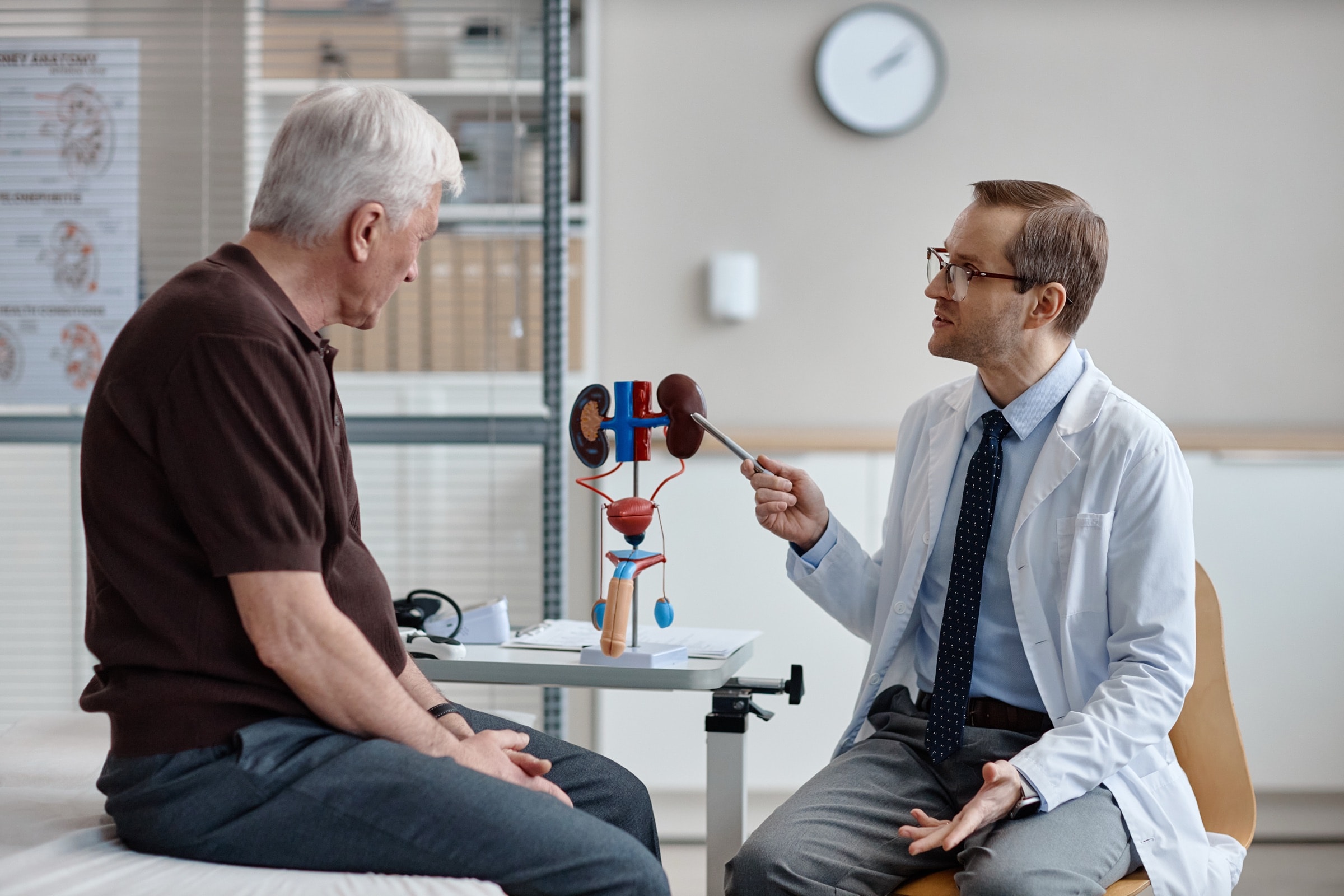
A urologist should look at this before anyone treats the muscles. Pain at the tip of the penis can come from an infection, including a sexually transmitted infection, a skin problem on the head of the penis, or a problem in the urethra or bladder. These need the right testing and the right medical treatment.
Your urologist may check your urine, examine the skin and the prostate, and order other tests if your history calls for them. Discharge, sores or a rash on the penis are reasons to be seen promptly.
See a doctor first if you have fever or chills with pelvic or urinary symptoms; inability to urinate; visible blood in the urine, semen or stool; sudden, severe testicular or pelvic pain; a new lump in the testicle; unexplained weight loss; or new numbness in the saddle area or loss of bladder or bowel control. If you have any of these, contact your doctor or go to the nearest emergency department.
How a muscle can make the tip hurt
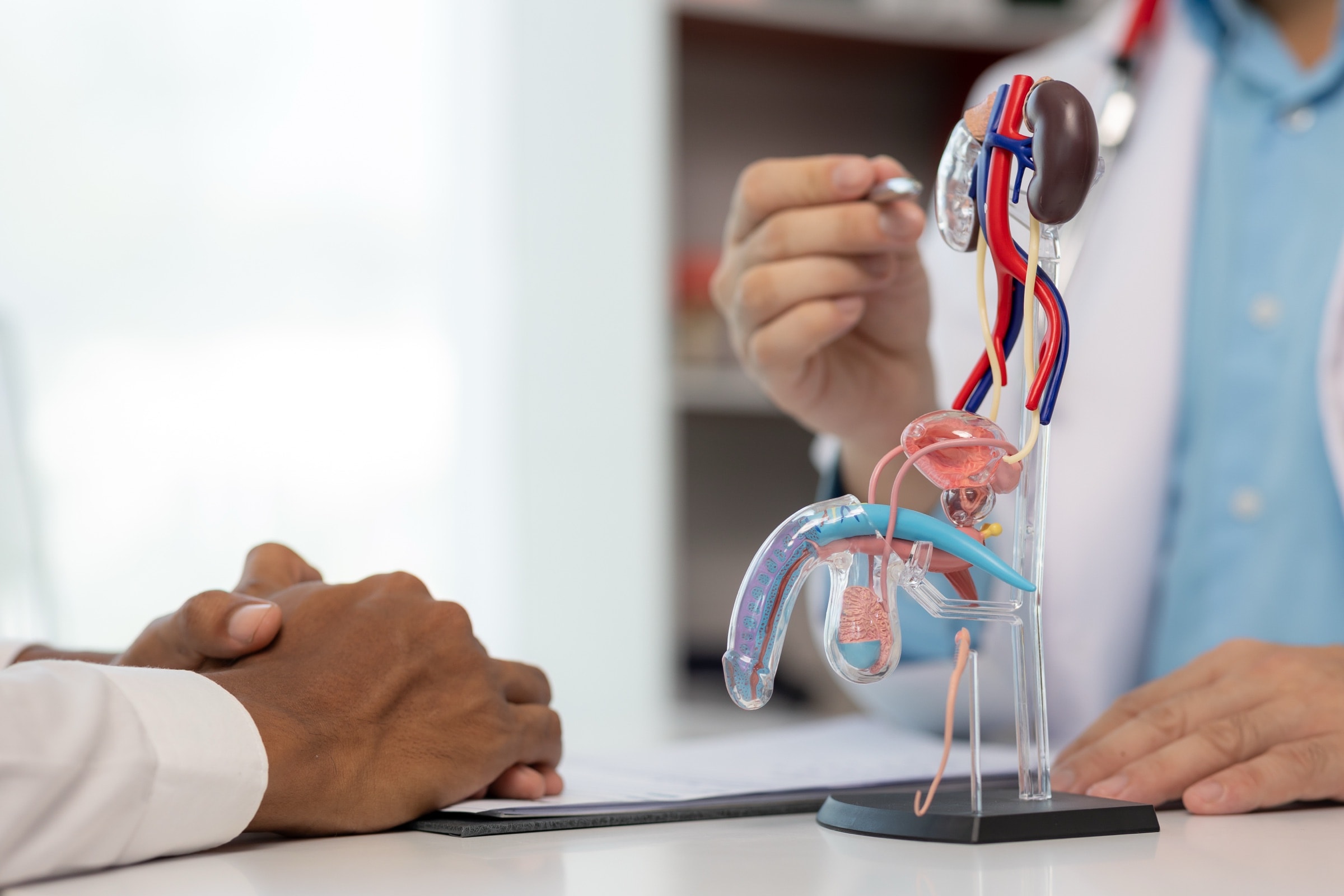
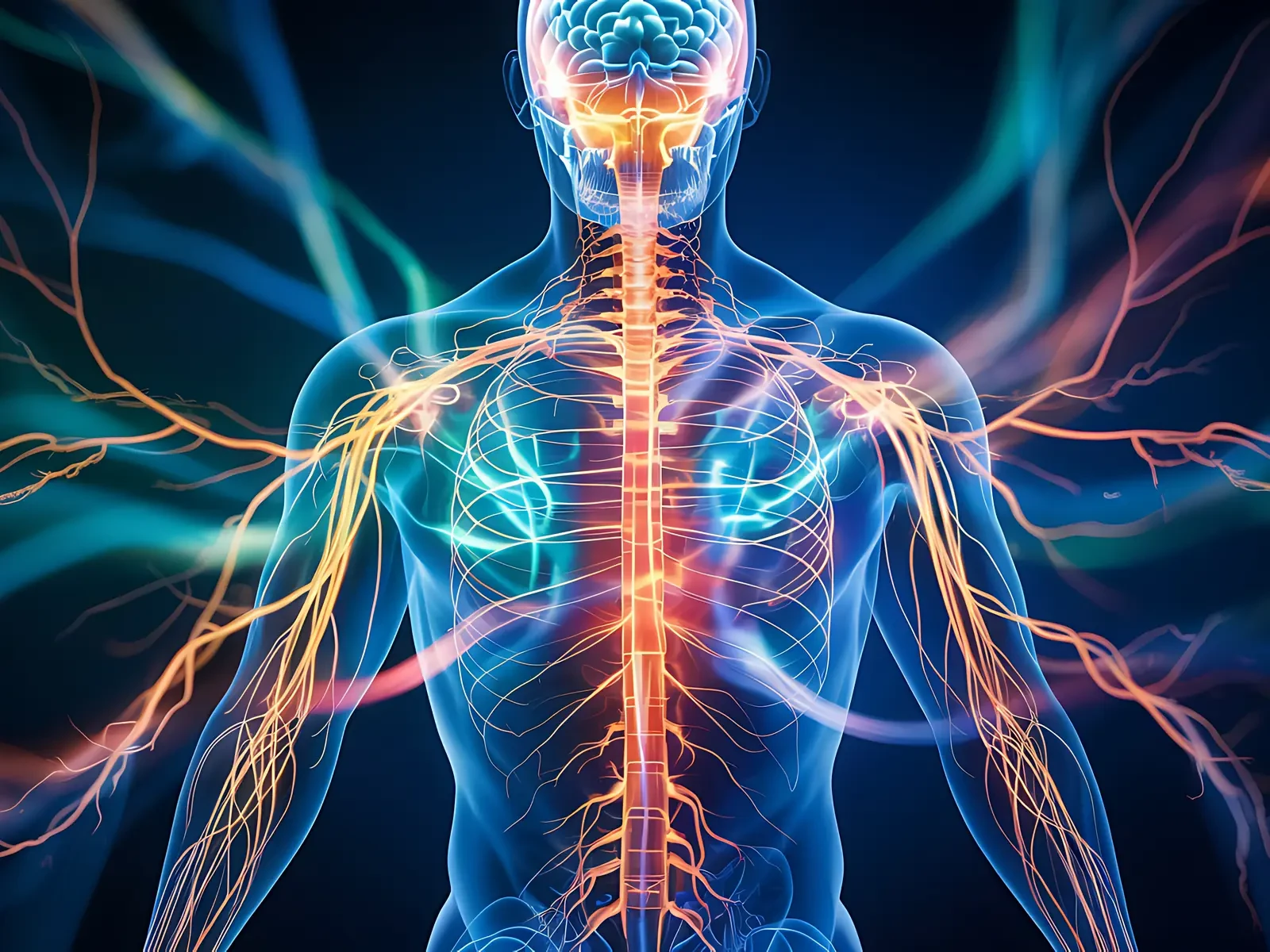
The pelvic floor is a bowl of muscles at the base of the pelvis. Some of these muscles wrap around the base of the penis and the urethra. They share nerve supply with the penis through nerves from the lower spine, including the pudendal nerve.
When one of these muscles holds tension for months, it can develop trigger points. A trigger point is a tight, tender spot in a muscle that sends pain somewhere else. Because the brain reads signals from the muscle and the penis through shared wiring, pain from a pelvic floor trigger point can be felt at the tip. When this is the source, the skin and urethra are healthy, which is why the exam there looks normal.
One study checked tender points in 62 men with chronic pelvic pain syndrome and 98 men without pelvic pain. The men with pelvic pain were more tender, and their symptom scores tracked with tender points on the outside of the pelvis, not with tenderness of the prostate. The authors concluded that the tenderness was spread throughout the pelvis, not specific to the prostate.
If antibiotics have not helped, I explain why in Prostatitis Without Infection: Why Antibiotics Often Fall Short.
Clues that point to the muscles
- Your urine tests and exam are clear, and the skin looks normal.
- The pain shifts sides or moves between the tip, the perineum and the groin.
- Long sitting, cycling or a stressful week brings it on.
- Pressing on certain pelvic or inner thigh muscles brings on the same pain you know.
What I check
The first visit runs 60 to 75 minutes. I review your urology records and test results. I examine the abdomen, hips, inner thighs, buttocks and low back for trigger points. The pelvic floor is examined from the outside, with no internal exam, and I do not perform prostate exams. When pressing one spot brings on the pain at the tip, that points to the muscles as the source. Your urologist still manages testing and medications, and I work alongside them.
Dry needling releases the trigger points in the pelvic floor and the hip and inner thigh muscles. The needles go in through the skin of the buttock, perineum or inner thigh, never through the rectum. Alongside dry needling, I use neuro-functional acupuncture, built on neuroscience and evidence-based practice. Unlike regular electroacupuncture, the needles and gentle electrical stimulation are mapped to the specific nerves involved, such as the sacral and pudendal nerves. It works in three ways. It neurorehabilitates, helping irritated tissues and nerve receptors recover. It neuromodulates, shifting the body's own pain-relieving chemistry. It neuroregulates, calming the nerve signals and circuits that keep burning and nerve sensitivity going. The chronic prostatitis page covers the full plan. Results vary from person to person.
If you are not sure what is causing your pain, try the My Symptoms tool.
Questions people ask
Why does the tip hurt more after I urinate or ejaculate?
Both ask the pelvic floor to work and then let go, and tight muscles with trigger points can flare when used that way. New pain with urination should still be checked for infection first.
How should I describe this pain to my urologist?
Say where it is, what it feels like, whether it moves and what brings it on. A short symptom diary over a week or two helps your urologist see the pattern.
Can stress make the pain worse?
It can. Many men tighten the pelvic floor under pressure without knowing it, and muscles with trigger points react to that. It does not mean the pain is in your head.
References
- Berger RE, et al. Pelvic tenderness is not limited to the prostate in chronic prostatitis/chronic pelvic pain syndrome (CPPS) type IIIA and IIIB: comparison of men with and without CP/CPPS. BMC Urol. 2007;7:17.
- National Institute of Diabetes and Digestive and Kidney Diseases. Prostatitis: Inflammation of the Prostate. niddk.nih.gov. Last reviewed July 2014.