What to Look For in an Acupuncturist: Training, Credentials and Questions to Ask
Start with a New York license. Then look for board certification, the training behind the letters after the name, and real experience with your kind of problem. After that, ask a few direct questions before you book. A good acupuncturist is glad to answer them.
Learn moreDr. Gordon's training and credentialsStart with a New York license
In New York, acupuncture is a licensed profession. To earn the license, an acupuncturist must:
- Be at least 21 years old.
- Complete at least 60 college semester hours, including nine in the biosciences.
- Finish a professional acupuncture program registered by the state or nationally accredited, or an equivalent program with at least 4,050 hours of classroom instruction and supervised clinical experience.
- Pass national board exams.
"LAc" after a name stands for licensed acupuncturist. The New York State Education Department's Office of the Professions has an online verification search where you can confirm a license.
Licensed physicians and dentists can also be certified to practice acupuncture in New York, through a separate process with its own requirements.
Understand board certification
A license comes from the state. Certification comes from a national professional board. As the National Center for Complementary and Integrative Health, part of the NIH, puts it, government agencies grant and monitor licenses, and professional organizations certify practitioners.
Board certified means the acupuncturist has passed national board exams and holds certification in acupuncture. The same NIH guidance notes that being licensed or certified is not always a guarantee of being qualified. That is why training and experience matter too.
Look at the level of training
Acupuncture schools offer graduate degree programs, and some offer a professional doctorate. A Doctor of Acupuncture has completed doctoral level training.
A doctorate is one sign of depth, not the only one. Ask what the training covered and how much of it was hands-on clinical work.
Ask about specialty training
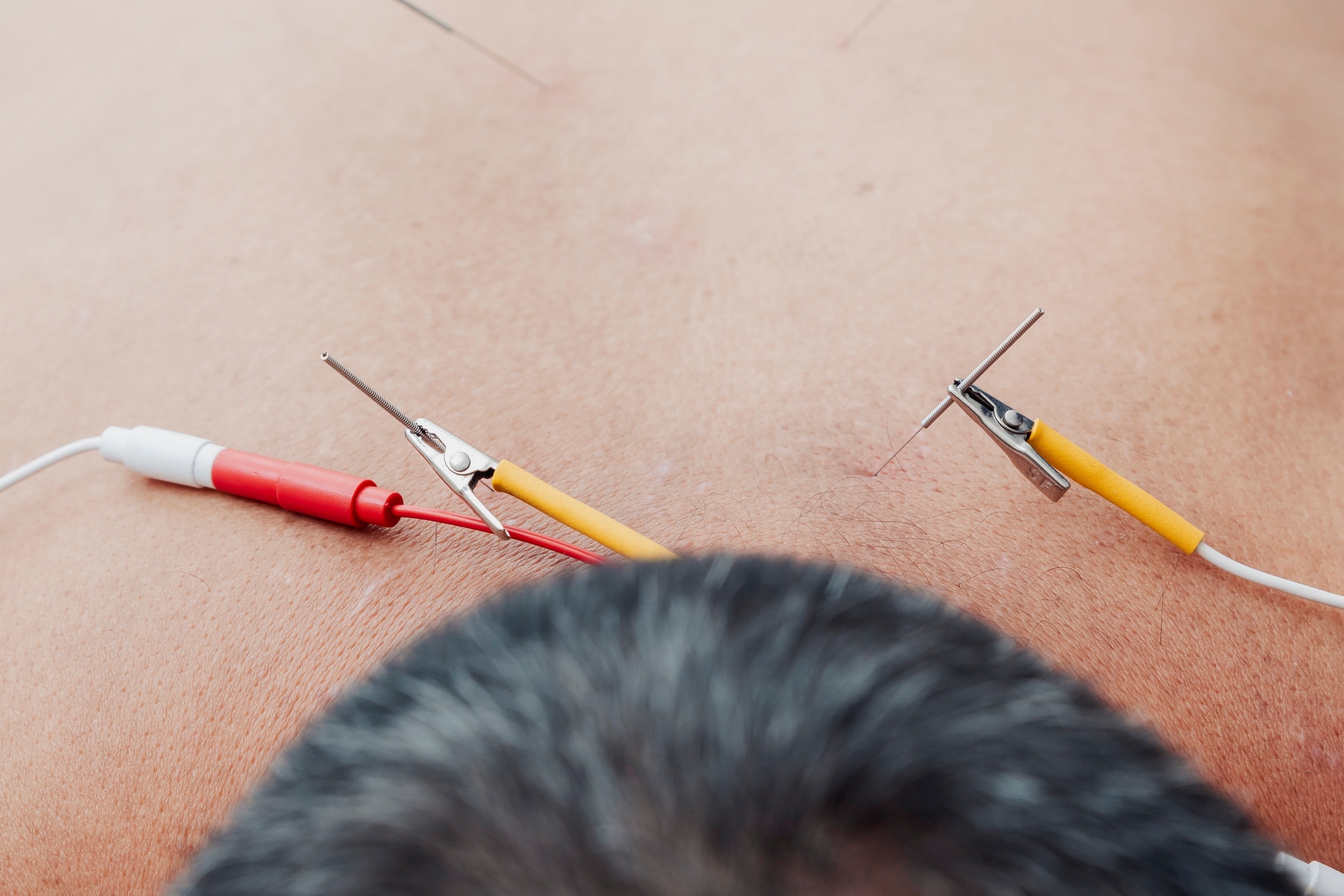
Core training covers a great deal. Problems such as pelvic floor pain, sports injuries or nerve pain often benefit from post-graduate training on top of it. Dry needling is one example. It is a specialized branch of acupuncture that works directly in the muscle, it requires additional training, and there are several ways to perform it. Pelvic floor work is another.
The NIH suggests finding out about a practitioner's training and experience with people who have your conditions. Ask where they trained, what the course covered and how often they see problems like yours.
Questions to ask before you book
- Are you licensed in New York, and are you board certified?
- What training do you have for my problem, and how often do you treat it? For dry needling, ask how many years they have done it and which methods they use.
- Who will do my treatment at each visit?
- How will we measure progress, and what happens if I am not improving?
- Will you work with my doctor and my other providers?
- Are your needles sterile and single use?
Then tell them about your health conditions and medicines. A careful practitioner will ask anyway.
My own training
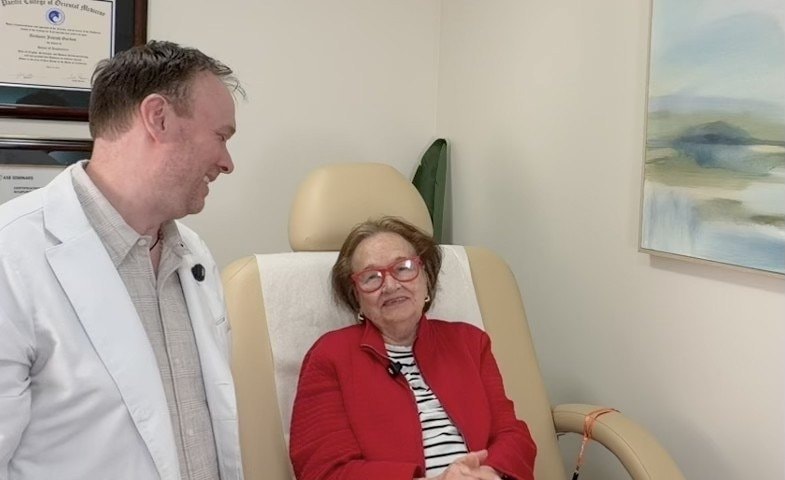
For readers who want to know how I answer these questions: I am a Doctor of Acupuncture (DAc, LAc), licensed in New York State and board certified. I completed a six-year program in dry needling, acupuncture and massage therapy at New York College of Health Professions, then post-graduate training in sports, orthopedics and rehabilitation at Tri-State College of Acupuncture and specialty studies at Pacific College of Health and Science. I hold certifications in functional dry needling and in neuro-functional acupuncture, which is built on neuroscience and evidence-based practice. I completed the ASE Seminars Pelvic Floor Certification, trained by Dr. Jamie Hampton, and I am a certified SAAT provider. I have done dry needling for more than 18 years, with advanced certifications in dry needling, more than 40,000 documented dry needling visits and more than 3,000 complex cases treated. Every treatment in my North New Hyde Park clinic is done by me. You can read more on my About page, and about my pelvic floor and SAAT care.
If you are not sure what is causing your pain, try the My Symptoms tool.
Questions people ask
What do the letters LAc and DAc mean?
LAc means licensed acupuncturist, which is the state license to practice. DAc means Doctor of Acupuncture, a doctoral degree. An acupuncturist can hold the license without a doctorate.
How do I check whether an acupuncturist is licensed in New York?
Use the online verification search on the New York State Education Department's Office of the Professions website. It is the official place to confirm a New York license.
Should my acupuncturist talk with my doctor?
Often, yes. It helps when imaging, medicines or other treatments are part of the picture. I work closely with my patients' medical providers, and it is always wise to tell each of your providers about every treatment you use.
References
- New York State Education Department, Office of the Professions. Acupuncture: license requirements. Accessed October 2026.
- National Center for Complementary and Integrative Health. Credentialing, licensing, and education. Updated May 2018.
- National Center for Complementary and Integrative Health. 6 things to know when selecting a complementary health practitioner. Updated October 2026.
- National Center for Complementary and Integrative Health. Acupuncture: effectiveness and safety. Updated October 2022.
- Accreditation Commission for Acupuncture and Herbal Medicine. About ACAHM. Accessed October 2026.