Golf, Tennis and Elbow Pain That Will Not Settle
Tennis and golfer's elbow linger because they are usually a tendon problem, not an inflammation that rest can calm down. The tendon has been overloaded and its tissue has changed, and the forearm muscles that pull on it with every grip keep it irritated. Rest helps for a while, but the pain returns when you swing, grip or lift again, unless the load and those muscles are addressed.
Learn moreHow Dr. Gordon treats tennis and golfer's elbowWhat it feels like
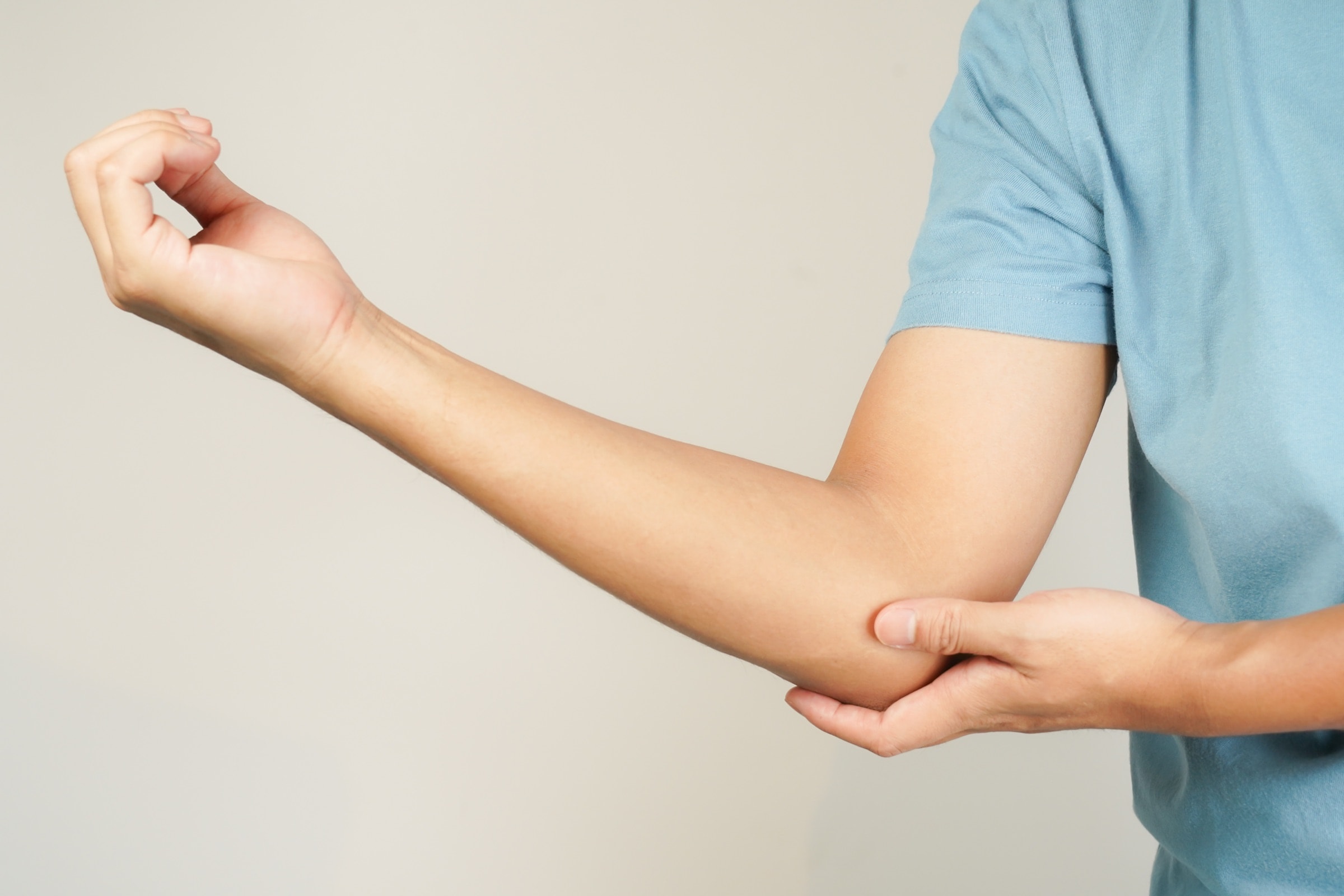
Tennis elbow hurts on the outside of the elbow. Golfer's elbow hurts on the inside. Both flare when you grip a coffee cup, a racquet, a club, a mouse or a tool. Your grip may feel weaker, and the forearm can ache.
Despite the names, many people who get them do not play tennis or golf. Work and daily tasks load the same tendons.
A tendon problem, not an inflammation
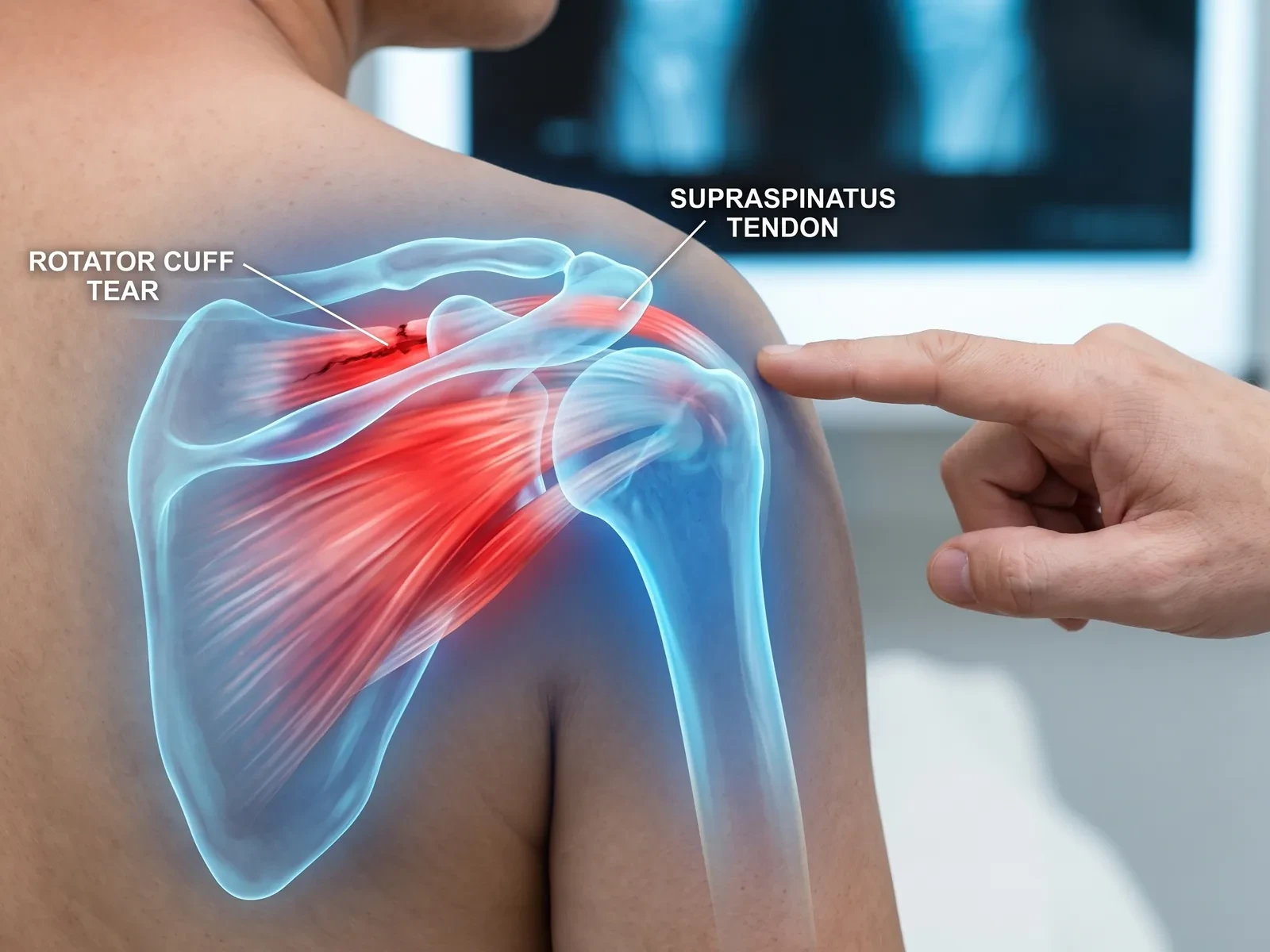
The medical names, lateral and medial epicondylitis, suggest inflammation. Orthopedic and physical therapy sources now describe wear and, in some cases, small tears in the tendon where the forearm muscles attach. The term for this is tendinopathy.
That matters for recovery. Ice, anti-inflammatories and rest can ease pain, but they do not build the tendon's ability to handle load. The right kind of loading does, which is why strengthening exercise is a core recommendation in the physical therapy guideline for tennis elbow.
Most people improve. For tennis elbow, the American Academy of Orthopaedic Surgeons puts success with nonsurgical treatment at about 80 to 95%. But the physical therapy guideline notes that up to 20% of people report pain 3 to 5 years after care, so a real plan matters.
Load: why it keeps flaring
A tendon has a load it can handle right now. Go past it, with a long range session, a weekend tournament or a heavy week at work, and it flares. Stop everything and it calms down, but it is no stronger, so the next return often brings the pain back.
That is the loop: rest, feel better, go back, flare again. The way out is to keep doing what the tendon tolerates and build from there.
Grip is where the elbow load starts
The muscles that move your wrist and fingers start at the elbow, the extensors on the outside and the flexors on the inside. Every squeeze pulls on those attachments.
That is why many of my questions are about your hands: how tightly you hold the club, racquet, paddle, mouse or tool, how many hours a day you grip, and whether your grip size, racquet setup or workstation fits you. Forearm trigger points can keep tension on the tendon even at rest, and weak shoulders or neck problems can push more work down to the forearm.
Golfers, racquet players and people who grip all day
Golfers. Load means swings, and a big bucket of balls at the range after time off adds up fast. So does how hard you squeeze the club.
Tennis and pickleball players. Orthopedic surgeons note that stroke technique and equipment may be risk factors in racquet sports. With pickleball, it is easy to go from one game a week to several. My sports-related pain page covers other training aches.
People who grip all day. Typing and mouse work, trades, gardening, lifting, carrying children or groceries. Often the daily gripping and the weekend sport add up. My elbow and forearm pain page covers forearm pain from desk work and tools.
See a doctor first if you have sudden weakness in the arm or hand; numbness or tingling that is spreading or getting worse; a hot, red, swollen joint or fever; visible deformity or inability to use the arm after an injury; arm pain with chest pain, shortness of breath or sweating; or loss of grip with frequent dropping of objects. If you have any of these, contact your doctor or go to the nearest emergency department.
How I treat it
The first visit runs 60 to 75 minutes and includes tendon testing, forearm muscle mapping, and grip and shoulder testing. Dry needling targets the forearm extensor or flexor muscles and the tissue around the painful tendon. Alongside dry needling, I use neuro-functional acupuncture, built on neuroscience and evidence-based practice. Unlike regular electroacupuncture, the needles and gentle electrical stimulation are mapped to the specific nerves involved, such as the nerves of the forearm and elbow. It works in three ways. It neurorehabilitates, helping irritated tissues and nerve receptors recover. It neuromodulates, shifting the body's own pain-relieving chemistry. It neuroregulates, calming the nerve signals and circuits that keep elbow pain going. I pair that with grip, tool and strengthening guidance, coordinated with your physician or physical therapist. The tennis and golfer's elbow page has the full picture.
Where shockwave fits
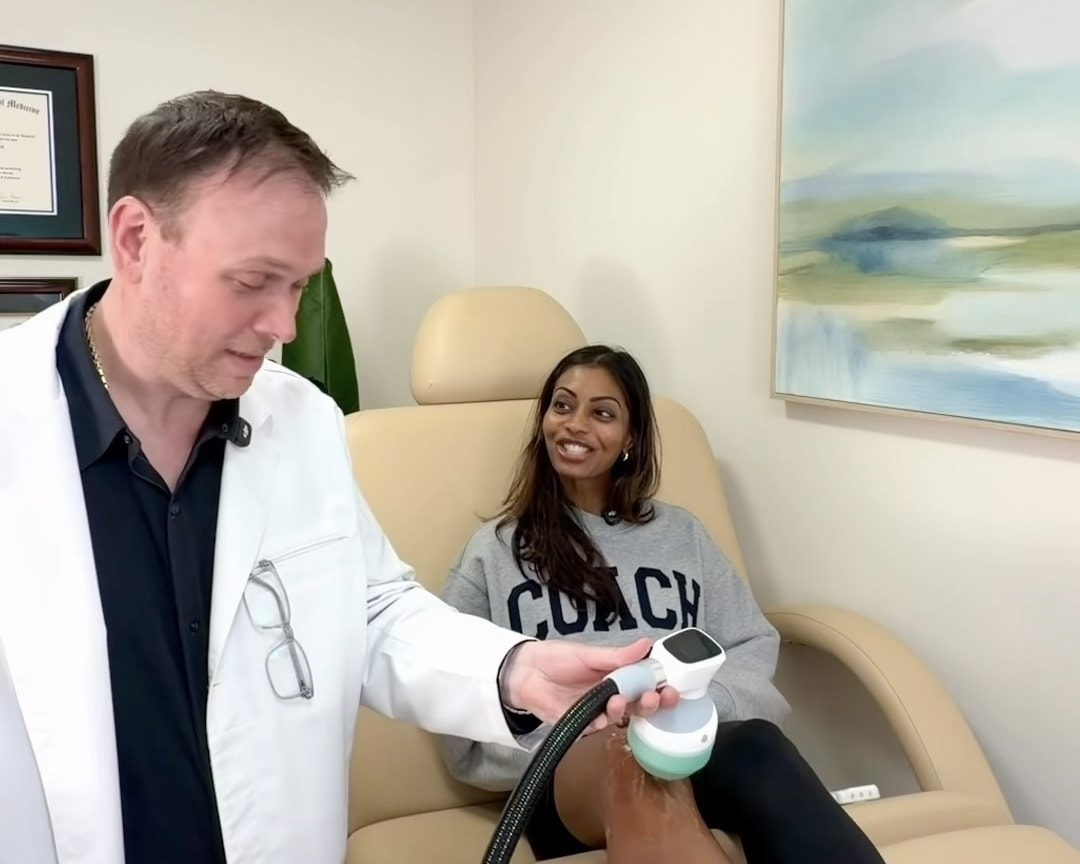
Shockwave therapy is another option for a tendon that will not settle. I map the area first: healthy tissue feels like almost nothing, while the irritated part of the tendon gives a deep, familiar ache. Shockwave takes a series of visits, and it works best as part of the plan. If you tried shockwave before without results, Focused vs Radial Shockwave: Which One Does Your Injury Need? explains why the type of device can matter.
What the research shows
For tennis elbow, the 2022 physical therapy guideline recommends resisted exercise for the wrist extensors, and either tendon or trigger point dry needling for pain and function. The evidence for shockwave in tennis elbow is less settled, though some sources show it can help. Results vary from person to person.
If you are not sure what is causing your pain, try the My Symptoms tool.
Questions people ask
Why does my elbow feel fine while I play, then hurt afterward?
A warmed-up tendon often quiets down, and the load catches up with it later that day or the next morning. Pain that lingers into the next day often means you did more than the tendon can handle right now.
Should I take anti-inflammatories?
They can ease pain for a short time. Because these problems are mostly about tendon load rather than inflammation, they do not fix the cause on their own. Ask your physician whether they are right for you.
Can a change in equipment help?
Sometimes. For tennis, orthopedic surgeons note that a stiffer racquet with looser strings, or a smaller head instead of an oversized one, can reduce stress on the forearm. For golf, pickleball and tools, a grip that fits your hand and a lighter squeeze can help.
References
- Lucado AM, et al. Lateral Elbow Pain and Muscle Function Impairments: Clinical Practice Guidelines. J Orthop Sports Phys Ther. 2022;52(12):CPG1-CPG111.
- Witstein JR, Alaia MJ. Tennis Elbow (Lateral Epicondylitis). OrthoInfo, American Academy of Orthopaedic Surgeons. Accessed October 2026.